

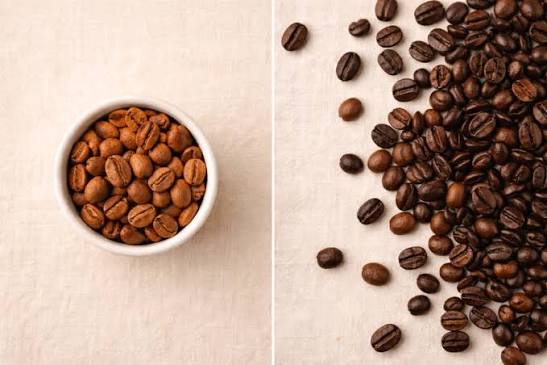
Coffee has evolved from an everyday beverage into a subject of interest for people who enjoy exploring flavors, brewing methods, and agricultural production. Specialty coffee attracts consumers who want to understand where beans come from, how they are processed, and why different coffees produce different sensory experiences. Unlike conventional coffee, which often prioritizes consistency and large-scale distribution, specialty coffee emphasizes quality, traceability, and the characteristics of individual harvests.
The growing interest in coffee tasting also reflects a broader demand for experiences that involve learning and personal preferences. Digital entertainment offers different forms of engagement, and people exploring interactive games may encounter this website, which features chance-based entertainment involving financial risks. Coffee tasting, by contrast, develops through sensory observation, comparison, and practice. Understanding the differences between coffee varieties and processing methods allows enthusiasts to make purchasing decisions based on flavor rather than marketing.
What Is Specialty Coffee?
Specialty coffee refers to coffee recognized for its quality and characteristics throughout production, processing, roasting, and preparation.
Historically, the industry often associated specialty-grade green coffee with scores of at least 80 points on a 100-point evaluation scale. Contemporary assessment increasingly considers several quality attributes rather than relying exclusively on one score.
Producers and roasters pay attention to bean defects, origin information, processing conditions, and flavor characteristics.
Specialty coffee is not a particular variety or roasting style. It represents an approach to evaluating and preserving quality across the supply chain.
How Specialty Coffee Differs From Regular Coffee
Conventional coffee production frequently emphasizes volume, consistency, and cost efficiency.
Beans from different origins may be blended to maintain a recognizable flavor profile across batches.
Specialty coffee often provides more information about farms, regions, varieties, and processing techniques.
This traceability allows consumers to understand which factors contribute to flavor.
However, specialty coffee is not automatically more enjoyable for every drinker. People accustomed to darker roasts may initially find certain specialty coffees more acidic.
Personal preference remains important alongside technical quality.
Why Coffee Origin Influences Flavor
Coffee flavor develops through interactions between plant genetics, growing conditions, processing, and roasting.
Altitude, temperature, rainfall, and soil conditions can influence how coffee cherries develop.
Different regions produce coffees with recognizable characteristics, although no origin guarantees a specific flavor.
Some Ethiopian coffees display floral or citrus notes, while certain Brazilian coffees emphasize chocolate or nut-like characteristics.
These descriptions represent common tendencies rather than fixed rules.
Comparing coffees from different origins provides an introduction to sensory differences.
Processing Methods and Their Effects on Taste
After harvesting, coffee cherries must be processed to separate the seeds from surrounding fruit material.
Washed processing removes much of the fruit before drying and often produces coffees with defined acidity and clarity.
Natural processing dries coffee with the fruit surrounding the seeds, sometimes creating pronounced fruit or fermented notes.
Honey processing removes the skin while retaining varying amounts of mucilage during drying.
Each method influences fermentation and flavor development.
However, results depend on processing control, environmental conditions, and the characteristics of the harvested coffee.
How Roasting Changes Coffee Flavor
Roasting transforms green coffee beans through chemical reactions involving heat.
During roasting, sugars and amino compounds participate in reactions that create aroma and flavor substances.
Light roasts often preserve more recognizable origin characteristics and may emphasize acidity.
Medium roasts can provide a balance between acidity, sweetness, and roast-derived flavors.
Dark roasting produces stronger roasted notes and may reduce the perception of certain origin-specific characteristics.
Roast level does not determine quality independently. Appropriate roasting depends on the beans and intended brewing method.
Understanding Acidity, Sweetness, and Bitterness
Coffee tasting involves recognizing several sensory characteristics.
Acidity refers to sensations associated with brightness and fruit-like qualities rather than simply describing sourness.
Sweetness may appear through impressions resembling caramel, fruit, or chocolate, even without added sugar.
Bitterness is naturally present in coffee, but excessive bitterness can dominate other characteristics.
Body describes the perceived weight and texture of coffee in the mouth.
Balance concerns how these sensations interact.
Learning to identify them separately helps beginners describe coffee more accurately.
What Do Coffee Tasting Notes Actually Mean?
Coffee packaging frequently includes descriptions such as berries, citrus, nuts, or chocolate.
These notes do not necessarily mean that additional ingredients have been added.
Instead, they describe sensory similarities between coffee and familiar foods.
A coffee labeled with strawberry notes may contain aroma compounds that produce associations with berries.
Individual perception varies according to experience, sensitivity, and expectations.
Tasting notes should therefore serve as guidance rather than guarantees.
Comparing several coffees makes these differences easier to understand.
How to Train Your Coffee Tasting Skills
Begin by preparing two coffees using the same brewing method, water, and approximate strength.
Taste them at similar temperatures and compare acidity, sweetness, bitterness, body, and aroma.
Avoid adding milk or sugar during initial evaluation because these ingredients can change flavor perception.
Record observations without immediately consulting packaging descriptions.
After tasting, compare personal impressions with the roaster’s notes.
Repeated comparisons help develop a vocabulary for identifying differences without requiring professional tasting experience.
Why Brewing Methods Matter
Brewing controls how soluble compounds move from ground coffee into water.
Grind size, water temperature, contact time, and coffee-to-water ratio influence extraction.
Pour-over methods often highlight flavor clarity, while immersion brewing can produce a different texture and extraction profile.
Espresso uses pressure and concentrated extraction, making small adjustments particularly noticeable.
Beginners should change one brewing variable at a time.
This approach makes it easier to understand which adjustments influence the finished cup.
Is Specialty Coffee Worth the Higher Price?
Specialty coffee often costs more because of production requirements, sorting, traceability, and smaller commercial volumes.
However, price alone does not guarantee a preferred flavor or ethical production.
Consumers should evaluate freshness, origin information, roasting quality, and personal taste.
Buying smaller quantities from different origins can provide more educational value than immediately purchasing expensive equipment.
For beginners, curiosity and consistent brewing matter more than owning professional tools.
Developing Coffee Appreciation as a Hobby
Specialty coffee offers opportunities to explore agriculture, processing, chemistry, and sensory perception through an everyday beverage.
Learning to recognize flavors requires repeated comparisons rather than exceptional natural ability.
Understanding origin, roasting, and brewing helps consumers identify preferences and make informed choices.
The most rewarding part of coffee tasting is not finding one universally superior coffee but discovering how different beans and preparation methods create distinct experiences.
With practice, an ordinary cup becomes an opportunity to observe, compare, and understand the complexity of coffee.

