

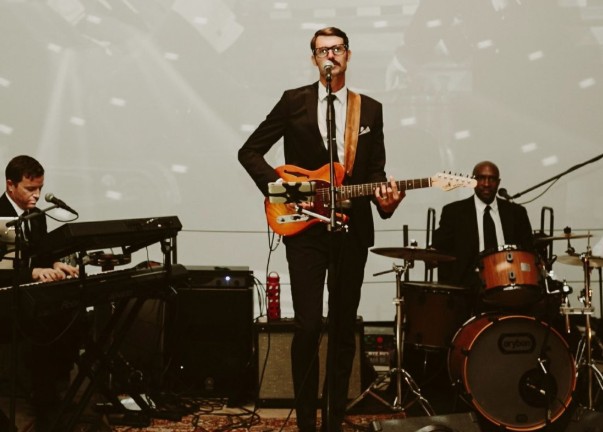
Live music can turn a routine gathering into an experience that feels welcoming, polished, and memorable. Whether the event is a conference, awards dinner, client reception, or employee celebration, the best corporate event entertainment supports the occasion’s purpose rather than competing with it. Planning starts well before the first song. A thoughtful approach helps organizers balance guest comfort, venue constraints, production needs, timing, and budget, while giving performers enough context to make smart decisions on the day.
Why Live Music Matters At Corporate Events
Music shapes the pace of an event. Quiet, well-chosen sets can make arrivals and networking feel less awkward, while a lively performance can create a natural high point after dinner or formal programming. The key distinction is whether music is meant to be atmosphere or the main attraction. Background music should leave room for conversation. Featured entertainment should have a defined moment when guests are ready to focus on it.
Start With The Purpose Of The Event
Every music decision should connect to the event goal. A conference may need subtle arrival music and clear walk-on cues. A networking reception may benefit from an acoustic duo that keeps energy warm without making introductions difficult. An awards ceremony needs reliable stings for entrances and presentations, while a holiday party may call for a dance-focused set later in the evening.
Before contacting performers, answer four questions:
- What should guests feel when they arrive, mingle, and leave?
- Which parts of the program require quiet conversation?
- Where should the energy rise?
- Is the music supporting the event, celebrating a milestone, or doing both?
Choose The Right Music Format
No single format fits every room. Consider the event schedule, available space, desired energy, and the amount of production support required.
Live Band
A live band creates a visible focal point and can work especially well for celebrations, large receptions, and evening programs. It may also require a larger stage area, more power, sound equipment, and additional setup time.
DJ
A DJ can move across genres quickly and adjust to the room in real time. This format often suits dance-oriented events or programs that need a broad mix of music in a compact footprint.
Small Ensemble
A jazz trio, string ensemble, acoustic group, or solo musician can provide texture during cocktail hour, dinner, executive gatherings, and networking. Smaller groups are often easier to place in rooms where guest conversation is the priority.
Hybrid Setup
A hybrid approach combines a DJ or curated recorded music with live musicians, vocalists, or specialty performers. It can create an effective shift from background ambiance to a higher-energy feature, but only if the handoffs and technical responsibilities are clearly assigned.
Match The Music To The Audience
Look beyond personal taste when selecting music. Review the guest age range, professional mix, cultural backgrounds, dress code, event formality, and any known preferences or restrictions. A formal executive dinner may call for restrained instrumental music, while an employee appreciation event may invite a more familiar, energetic set. Inclusive selections usually work better than a playlist built around one organizer’s favorite songs.
Build Music Into The Event Timeline
Give music a place in the run of show rather than treating it as a last-minute add-on. Plan for guest arrival, networking, dinner, speeches, award walk-ons, video transitions, the main performance, and closing. Include a buffer between formal programming and entertainment, since meals, speeches, and guest movement can run late. A short reset period gives the production team time to adjust the room and lets performers begin without being rushed.
Plan The Venue And Technical Setup
Even a simple performance needs a practical production plan. Confirm the performance area, guest sightlines, access to power, lighting, loading access, setup and teardown windows, equipment storage, and venue sound limits. For outdoor events, establish a weather backup plan before contracts are finalized. Excessive volume can interfere with communication and create workplace concerns, so planners should understand how occupational noise exposure is managed when crew members or venue staff may be near sustained sound. Create one shared production document for the event lead, venue contact, audiovisual team, caterer, and entertainment provider. It should list arrival times, contacts, room diagrams, cue notes, and responsibilities for each transition.
Manage The Entertainment Budget
Entertainment costs can include more than the performance fee. Review the number of performers, set length, travel, lodging when applicable, sound and lighting equipment, labor, special requests, overtime, and venue production charges. Set priorities early. A smaller act with excellent timing and a strong fit for the room may create a better guest experience than a larger act that strains the budget or the schedule.
Give Performers A Clear Brief
A useful brief gives performers the context needed to support the event. Include the date, location, guest count, audience profile, dress code, preferred styles, restricted songs or themes, performance times, award or speech cues, venue rules, and a day-of contact. Asking direct booking questions about equipment, breaks, arrival timing, and contingency plans reflects the practical considerations involved in booking live music.
Avoid Common Planning Mistakes
- Booking entertainment before the date, venue, and space needs are confirmed.
- Scheduling a featured set during dinner service, speeches, or a key networking period.
- Ignoring room size, sound restrictions, or performer access requirements.
- Sharing an incomplete timeline or failing to communicate last-minute changes.
- Leaving no backup plan for weather, delays, or technical issues.
- Assigning no single person to make day-of entertainment decisions.
Use A Simple Final Checklist
- Confirm the event purpose and desired mood.
- Select a format that fits the audience, room, and schedule.
- Approve the budget, production needs, and venue requirements.
- Share the finalized run of show with every relevant partner.
- Confirm music restrictions, special cues, and one day-of decision-maker.
- Leave time for setup, transitions, and unexpected delays.
Conclusion
Live music works best when it supports the purpose of an event and enhances the experience people came together to enjoy. Whether the occasion is a corporate celebration, networking reception, awards ceremony, product launch, or company gathering, the entertainment should reflect the event’s atmosphere and the expectations of its audience. A solo musician can create a relaxed setting for smaller gatherings, while a small ensemble or full band may provide a more engaging performance for larger celebrations. DJs offer flexibility when organizers want a wider range of music, smooth transitions, and opportunities to adjust the energy throughout the program. Hybrid setups can also combine live performances with recorded music to accommodate different parts of the event. Choosing the right format requires considering the venue’s size, audience preferences, event schedule, technical requirements, and available budget. Organizers should also coordinate sound checks, performance times, equipment needs, and transitions with other program activities to avoid unnecessary interruptions. With thoughtful preparation and clear communication, live entertainment can complement the event’s objectives, encourage audience engagement, and create a memorable experience without distracting from the overall corporate program.

