

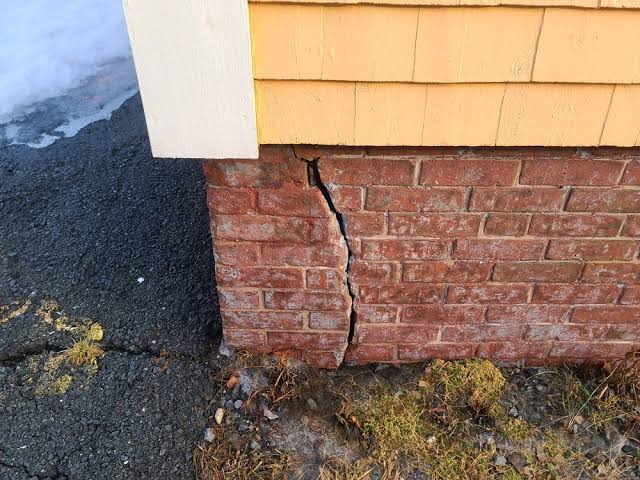
A crack in your foundation might seem like a minor cosmetic flaw, but it rarely stays that way. What starts as a hairline fracture can quietly widen over months, letting moisture seep in, weakening structural support, and eventually threatening the stability of your entire home. The good news? Catching these issues early and working with the right professionals can save you from costly, invasive repairs down the road.
At Top Course Masonry Inc, we’ve spent years helping homeowners identify, understand, and resolve foundation problems before they spiral into something far more serious. Foundations shift, settle, and respond to the ground beneath them in ways that aren’t always visible until damage has already set in. That’s why understanding what causes these cracks—and knowing when to call in an expert—matters more than most people realize.
This post walks through the common causes of foundation cracks, the warning signs you shouldn’t ignore, and why professional repair makes all the difference in protecting your home’s long-term value.
What Causes Foundation Cracks in the First Place?
Foundations are built to last, but they’re not immune to the forces working against them. Soil conditions play one of the biggest roles. Clay-heavy soil expands when it absorbs water and contracts as it dries, creating constant pressure against your foundation walls. Over time, this expansion and contraction cycle stresses the concrete until cracks begin to form.
Poor drainage is another major culprit. When water pools near your foundation instead of draining away, it increases hydrostatic pressure against the walls. This pressure pushes inward, and concrete—while strong—isn’t designed to withstand that kind of sustained force indefinitely.
Temperature fluctuations also contribute, especially in regions with harsh winters. Water that seeps into small gaps freezes and expands, widening cracks through a process known as freeze-thaw damage. Add in natural settling, which happens to nearly every home over time, and it becomes clear why foundation issues are so common.
How Do You Know If a Crack Is Serious?
Not all cracks signal the same level of concern, but learning to tell them apart can save you from a lot of stress. Hairline cracks that run vertically are often the result of normal concrete curing and typically aren’t a major cause for alarm. However, horizontal cracks are a different story entirely. These often indicate pressure from soil or water buildup and can point to more serious structural concerns.
Other red flags include:
- Cracks wider than a quarter-inch, which suggest active movement
- Stair-step cracking in block or brick foundations, often linked to settling
- Doors and windows that stick or no longer close properly
- Visible gaps between walls and ceilings
- Musty odors or dampness in the basement, suggesting water intrusion
If you notice any of these signs, it’s worth having a professional take a closer look rather than waiting to see if the problem worsens.
Why DIY Fixes Often Fall Short
It’s tempting to pick up a tube of concrete sealant and patch a crack yourself. For small, purely cosmetic issues, this might work temporarily. But DIY solutions rarely address the underlying cause of the crack, which means the problem often returns, sometimes worse than before.
Store-bought sealants also tend to lack the flexibility and bonding strength needed to handle ongoing soil movement. Foundations expand and contract subtly with changing seasons, and a rigid patch can crack again under that pressure. Without identifying whether the issue stems from drainage problems, soil composition, or structural settling, you’re essentially treating a symptom while the actual cause continues working against your home.
What Does a Professional Foundation Repair Involve?
A thorough repair process starts with diagnosis, not patchwork. Experienced masonry professionals evaluate the crack’s location, width, and pattern to determine what’s driving the damage. From there, techniques vary depending on severity.
Epoxy and polyurethane injections are commonly used for narrow cracks, as they bond with the concrete and restore structural integrity while sealing out moisture. For more significant damage, carbon fiber reinforcement or steel bracing may be necessary to stabilize the wall and prevent further movement. In cases involving drainage issues, exterior waterproofing and grading corrections often accompany the repair to address the root cause rather than just the visible symptom.
This comprehensive approach is exactly why getting long-term protection for your home starts with experienced foundation crack repair services that go beyond surface-level fixes. At Top Course Masonry Inc, every repair begins with a detailed inspection so that homeowners understand not just what’s wrong, but why it happened and how to prevent it from recurring.
The Cost of Waiting Too Long
Delaying foundation repair rarely saves money. In fact, it usually does the opposite. A small crack today can become a major structural issue in a year or two, especially if water continues to seep in and weaken the surrounding concrete. Beyond the structural risks, foundation damage can lower your home’s resale value and make it harder to pass inspection if you decide to sell.
There’s also the matter of mold and mildew. Moisture entering through foundation cracks creates the perfect environment for mold growth, which can affect indoor air quality and pose health risks to your family. Addressing cracks early keeps these secondary problems from ever taking hold.
Choosing the Right Team for the Job
Foundation repair isn’t a one-size-fits-all service, and the right team makes a measurable difference in the outcome. Look for a company with a proven track record, transparent pricing, and a willingness to explain their diagnostic process in plain language. Experience matters too, since foundations vary widely depending on soil type, climate, and construction style.
Top Course Masonry Inc has built its reputation on thorough assessments, honest communication, and repairs designed to last. Our team takes the time to walk homeowners through every step, from initial inspection to the final seal, so there’s never any guesswork involved in protecting one of your biggest investments.
Protect Your Home Before Small Cracks Become Big Problems
Foundation cracks don’t fix themselves, and waiting rarely works in your favor. The sooner you address visible damage, the more options you have and the less invasive the repair process tends to be. Whether you’re noticing your first hairline crack or dealing with a more advanced issue, acting early protects both your home’s structure and your peace of mind.
If you’ve spotted cracks forming or want a professional opinion on your foundation’s condition, reach out to Top Course Masonry Inc today. Our experienced team is ready to assess the situation, explain your options clearly, and get your foundation back to solid ground.

