

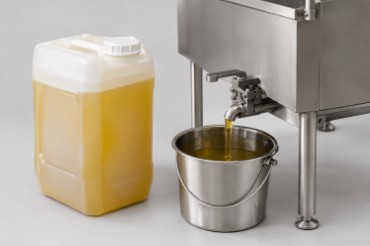
For a commercial kitchen, used cooking oil is not simply a disposal problem. It is a material that needs safe handling, clean storage, and dependable removal. A practical routine protects plumbing, supports a cleaner work area, and helps ensure that fryer oil can be recycled rather than becoming a costly emergency.
Businesses evaluating commercial collection options can review Yellow Grease Disposal services from GF Commodities, a buyer and collection provider for used cooking oil, yellow grease, and related food-industry by-products. Its service information covers secure storage, routine pickup, recycling, and the distinction between fryer oil and grease-trap material. GF Commodities works with restaurants and food production facilities across a broad service network spanning Missouri, Kansas, Illinois, Texas, and Florida.
Why Used Cooking Oil Deserves A Better Plan
Oil poured into a drain can cool, cling to plumbing, and contribute to blockages when it combines with other debris. It can also create unpleasant odors and expensive maintenance issues. A planned collection process is more reliable than waiting until a container is full or a back-of-house area becomes difficult to manage.
Consider a restaurant that normally schedules pickup around its regular fryer volume. During holiday catering, playoff events, or a menu promotion, that volume may rise quickly. A fill-level check gives the manager time to arrange service before the container becomes an overflow risk.
Yellow Grease, Brown Grease, And Used Cooking Oil
Used cooking oil usually refers to oil recovered from fryers and cooking equipment. In commercial recycling, cleaner fryer oil is often referred to as yellow grease. It generally has less water and less food debris than grease-trap waste, which is commonly known as brown grease.
Brown grease may contain wastewater, sludge, soap residue, and food solids from a grease trap. It is a different material stream that requires different handling. Keeping fryer oil separate from grease-trap waste makes storage, collection, testing, and downstream processing more predictable.
Kitchen Habits That Protect Oil Quality
Good handling begins before oil reaches the collection container. Train employees to follow a short, repeatable routine:
- Allow hot oil to cool to a safe handling temperature before transfer.
- Keep water, cleaning chemicals, and food waste out of the collection container.
- Filter or strain large food particles when the kitchen’s equipment and procedures allow it.
- Do not mix fryer oil with grease-trap material unless the receiving service provides clear instructions.
- Close and secure the container lid whenever it is not being filled.
- Inspect the storage area for leaks, pests, damaged equipment, or signs of overflow.
Choosing The Right Storage Setup
The best container depends on the facility’s volume, layout, and pickup schedule. Small operations may use compact bins or drums, while higher-volume kitchens and food plants may need indoor tanks or outdoor containers designed for access by pumps.
Place storage equipment on a stable surface away from storm drains, pedestrian paths, and vehicle traffic. The collection area should be accessible to trained staff and pickup crews without creating lifting, slip, or traffic hazards.
Storage Setup Checklist
- A secure lid or cover that helps keep rainwater and debris out.
- A leak-resistant container sized for expected oil volume.
- Clear labeling so staff do not confuse fryer oil with other waste streams.
- Safe access to hoses or pumps for collection personnel.
- Secondary containment when required by site rules or local regulations.
- A clear route that allows crews to work without blocking operations.
How Recycled Fryer Oil Enters The Fuel Supply Chain
The path from fryer to processing facility is straightforward. Staff collect oil in a designated container; a provider removes it on a scheduled basis; and the material is screened and tested for contaminants. Suitable oils and fats can then be processed for renewable fuels or other industrial applications.
The U.S. Department of Energy explains that biodiesel production can use vegetable oils, yellow grease, used cooking oils, and animal fats as feedstocks. Kitchen employees do not need to decide the final use of the material. Their responsibility is to keep it clean, separate, and safely stored until collection.
Biodiesel And Renewable Diesel Are Different Products
Biodiesel is made through transesterification, a process that converts fats and oils into fuel and glycerin. Renewable diesel is made through a different refining process and is distinct from biodiesel. Both markets may use recovered fats and oils, which is one reason oil quality and consistent collection practices matter to commercial kitchens.
Make Disposal A Measurable Business Process
Used oil management works best when it becomes part of normal operations. Assign a manager or shift lead to monitor container conditions, maintain pickup records, and report problems. Set a collection threshold before capacity is reached, rather than treating a full container as the signal to act.
- Log pickup dates and approximate fill levels.
- Note contamination, leaks, missed service, or damaged equipment.
- Review pickup frequency after menu changes or seasonal volume increases.
- Compare providers based on reliability, documentation, safety support, and service terms.
Local Rules, Records, And Spill Response
Requirements can vary by city, county, state, property owner, and utility authority. Commercial operators should confirm applicable health, sewer, fire, and environmental requirements. Pickup receipts and service records can also help demonstrate that the business has a consistent handling process.
If a spill occurs, keep people away from the area, stop the source if it can be done safely, and protect nearby drains with appropriate spill-control materials. Use absorbents rather than washing oil into a drain. Document the incident, report it when required, and review the cause before returning the area to service.
Common Questions About Commercial Cooking Oil
Can Used Cooking Oil Go Down The Drain?
No. Oil can cool and accumulate inside plumbing and sewer systems, increasing the risk of blockages and cleanup issues.
How Often Should A Kitchen Schedule Pickup?
It depends on fryer volume, container size, menu mix, and seasonal demand. The goal is to arrange collection before the container approaches capacity.
What Reduces The Quality Of Used Cooking Oil?
Water, food particles, cleaning chemicals, and grease-trap waste can make the material harder to handle and limit reuse options.
A Simple 2026 Action Plan
- Identify every fryer oil source in the facility.
- Separate fryer oil from grease-trap material.
- Use a covered, clearly labeled storage container.
- Train staff on safe transfers and spill prevention.
- Track fill levels, pickup dates, and container issues.
- Review local requirements and service records regularly.
- Adjust the process when kitchen volume or equipment changes.
Conclusion
A smarter used-cooking-oil routine does not need to be complicated. Clean collection habits, secure storage, reliable scheduling, and basic documentation can reduce avoidable kitchen problems while giving fryer oil a useful second life. In 2026, commercial kitchens can treat used oil as a managed resource instead of an afterthought.

