

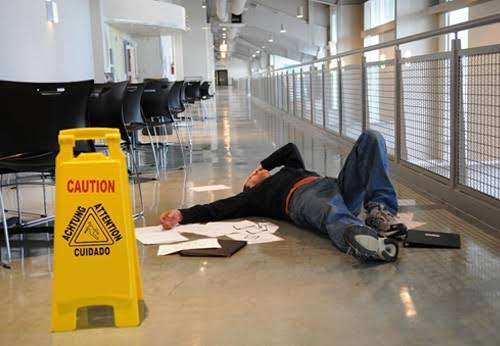
When an accident happens on someone else’s property, the injury may be only the beginning of the problem. Medical bills, missed work, and lasting pain can create financial pressure. Understanding premises liability legal guidance can help an injured person recognize what must be shown, what evidence matters, and what steps can protect a potential claim.
What Is Premises Liability?
Premises liability involves injuries caused by unsafe property conditions. Property owners and businesses may have duties to keep areas reasonably safe for people who are allowed to be there.
Common examples include wet floors, broken stairs, poor lighting, loose flooring, unsafe walkways, falling objects, inadequate security, and other dangerous conditions. A claim generally requires evidence connecting the unsafe condition to the injury and showing why the responsible party may be legally accountable.
Identify What Caused the Accident
The first step is to determine exactly what caused the accident. A person may remember falling, but the claim often depends on the condition that caused the fall. Was there liquid on the floor? Was a step damaged? Was a warning sign missing? Did a railing break? Was an area poorly lit?
Write down what happened as soon as possible, including where the accident occurred, what the surface looked like, and what warnings were present.
Get Medical Attention
Medical care should be a priority after an accident. Some injuries are obvious, while others develop over hours or days. A fall can result in fractures, soft tissue injuries, or head trauma. The CDC notes that falls can cause serious injuries, including broken bones and traumatic brain injuries, especially among older adults who may face greater risks.
Medical records also document the connection between the accident and treatment. Keep records of bills, prescriptions, therapy, and related expenses.
Preserve Evidence Before It Disappears
Evidence can be difficult to recover after a dangerous condition is repaired, cleaned, moved, or replaced. Photos and videos taken soon after the accident can show the property before changes occur.
Take pictures from several angles, including the hazard, surrounding area, nearby signs, lighting, and flooring.
Witness information can also be valuable. Ask witnesses for their names and contact information when possible. Their observations may help confirm the property’s condition.
Report the Accident
Report the accident to the property owner, manager, employee, security office, or another appropriate person. Ask whether an incident report will be created and request a copy when available.
Avoid guessing about fault or making statements that minimize the injury. Give a simple, factual description rather than speculating about fault.
Show Notice or Knowledge of the Hazard
An important issue in many premises liability claims is whether the responsible party knew, or reasonably should have known, about the dangerous condition. A hazard that appeared moments before an accident may raise different questions than a broken stair that had existed for weeks.
Evidence of prior complaints, maintenance records, inspection records, employee reports, photographs, surveillance footage, or similar incidents may help establish what the property owner knew.
Document Financial Losses
An injury can affect more than immediate medical expenses. Keep records of hospital visits, doctor appointments, medication, rehabilitation, transportation, damaged property, and other accident-related costs. If the injury causes missed work, document lost hours, wages, or other employment losses.
A daily journal can record pain, limitations, missed activities, and changes in normal routines.
Understand Comparative Fault Issues
The property owner’s conduct is not always the only issue considered. Questions may arise about whether the injured person noticed the hazard, ignored a warning, entered an area without permission, or otherwise contributed to the accident. The effect of a person’s conduct depends on the applicable law.
This is one reason an accident should be described accurately. Do not alter details to make the event sound stronger. Consistent facts, supported by records and evidence, can make the claim easier to evaluate.
Consider Surveillance and Maintenance Records
Many businesses use security cameras, and some property owners maintain inspection or cleaning schedules. Surveillance footage may show the condition of an area before and after an accident. Maintenance records may show when an inspection occurred or whether a problem was previously reported.
These records can be overwritten or routinely replaced, so identifying them quickly may matter. A legal professional may be able to take steps to preserve relevant evidence when appropriate.
Know That Deadlines Matter
Premises liability claims are subject to legal deadlines. The time allowed to file a claim can depend on the accident, responsible party, injury, and applicable law. Waiting too long can limit legal options even when the facts appear strong.
For general information about injury prevention and fall risks, the CDC fall prevention resources provides public resources about common hazards and injuries. The CPSC flooring and fall safety information also provides information about slips, trips, falls, and related safety standards.
When Legal Guidance May Help
A premises liability case can involve questions about ownership, control, notice, evidence, medical treatment, insurance, and legal deadlines. These issues can become harder when the property owner disputes responsibility or the condition has already been repaired.
Speaking with a premises liability attorney can help an injured person understand facts that may support a claim and evidence that should be preserved. An attorney can also review applicable deadlines, communicate with insurers, and explain legal options based on the circumstances.
Building a claim takes more than showing that an accident happened. The strongest approach is to document the dangerous condition, connect it to the injury, preserve supporting evidence, track financial losses, and act within required legal deadlines. Careful documentation from the beginning can make it easier to understand what happened and determine whether a premises liability claim may be available.

