

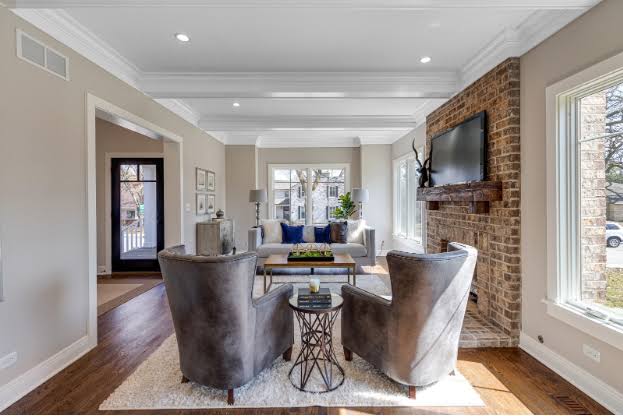
A successful renovation depends on doing the right work in the right order. What is the process for remodeling your home? It starts with clear goals and a realistic budget, then moves through design, contractor selection, permits, construction, inspections, and final corrections.
The steps to remodel a house can vary by project size, but the sequence below provides homeowners with a practical framework for planning decisions and avoiding repeated work.
Process for Remodeling a Home
Start by defining what you want to change and why. Separate essential repairs from upgrades that improve appearance or convenience. This keeps the project focused when costs or scheduling pressures force decisions.
Before requesting estimates, write down:
- Rooms or systems that need work.
- Features you must keep or replace.
- Your preferred completion window.
- A maximum spending range, including a reserve.
This first phase is especially useful for older homes, where opening walls may reveal dated wiring, plumbing, moisture damage, or structural conditions that were not visible during planning. The goal is not to predict every issue, but to leave enough flexibility to handle discoveries without stopping the project.
Set the Budget and Project Priorities
Build the budget around the work you need, not only the finishes you want. Include labor, materials, permit fees, design costs, temporary living expenses when needed, and a contingency for changes. Large home renovation projects often involve decisions that affect several trades, so one upgrade can change costs elsewhere.
David Haziza at A2Z Construction Management recommends defining priorities before construction starts so owners can make faster decisions if unexpected costs arise. For example, structural repairs and required electrical work should usually take priority over decorative upgrades.
A written scope of work should describe what is included in the price, who supplies materials, what work is excluded, and how changes will be approved. This gives both the owner and contractor a common reference point before work begins.
Choose the Contractor and Finalize the Plan
Compare contractors on more than the lowest estimate. Review experience with similar jobs, licensing where required, insurance, references, payment terms, communication practices, and the level of detail in the proposal.
The contract should identify the project price or pricing method, expected start and completion dates, payment schedule, change-order procedure, warranty terms, and responsibility for permits. On larger jobs, project managers may coordinate trades, deliveries, inspections, and owner decisions so one missed task does not disrupt the next phase.
Complete Permits and Prepare the Property
Permit requirements depend on location and project type. Structural changes, electrical work, plumbing, HVAC modifications, additions, and major layout changes commonly require approvals or inspections. Confirm responsibilities before work begins, rather than assuming the contractor or homeowner will handle all filing.
Prepare the property before demolition. Move furniture and personal items away from active work zones, protect surfaces that will remain in place, confirm contractor access, and discuss dust control, debris removal, parking, pets, and working hours.
| Project stage | Main focus |
| Before construction | Design, budget, contracts, permits, material orders |
| During construction | Demolition, structural work, rough-ins, inspections, finishes |
| Project closeout | Punch list, final inspections, warranties, documentation |
Follow the Correct Construction Sequence
The physical work usually starts with demolition and any structural changes. Once framing is ready, crews can complete plumbing, electrical, and HVAC work that must remain behind walls. Required rough inspections should happen before those systems are covered.
Next comes insulation where needed, wall closing, drywall finishing, and surface preparation. Cabinets, flooring, trim, painting, fixtures, and appliances follow in an order suited to the project. The exact sequence can change, but the basic rule is simple: finish concealed systems before covering them and complete messy work before delicate finishes.
Good coordination matters because trades depend on one another. Moving ahead too early can create rework. For example, closing a wall before confirming plumbing or electrical placement may require reopening the finished surface.
Manage Changes Without Losing Control
Changes are common during remodeling projects, but they should be documented before extra work begins. A change order should explain the added or removed work, price difference, and schedule impact.
Use a simple decision process:
- Confirm whether the change is necessary or optional.
- Ask how it affects cost and completion time.
- Approve the change in writing.
- Keep updated drawings, selections, and payment records together.
This approach helps prevent small decisions from creating confusion later. It also gives homeowners a clearer picture of the remaining budget and schedule.
Finish With Inspections and a Walkthrough
When construction is substantially complete, inspect the work with the contractor. Create a punch list for incomplete, damaged, or incorrect items and agree on when each item will be corrected.
Check doors, cabinets, fixtures, outlets, plumbing connections, surfaces, paint, flooring, appliances, and any systems affected by the work. Collect final permits or inspection records, warranties, product information, and care instructions.
The final walkthrough is also the time to confirm that the agreed changes have been completed and that the finished work matches the contract. A well-managed renovation should leave you with a functional result, not just a dream-home appearance.
If you are preparing a renovation and want help organizing the work from planning through completion, contact us today to discuss your project with A2Z Construction Management.

