

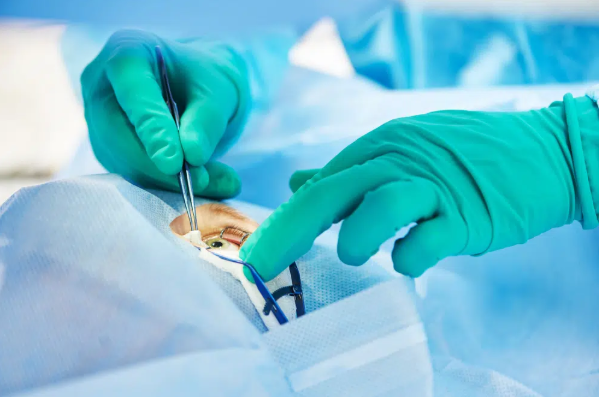
Epi-LASIK is a type of laser vision correction procedure used to correct certain refractive errors. It reshapes the cornea so light entering the eye focuses more accurately on the retina. Epi-LASIK Surface-based Laser Vision Correction Procedure for Myopia is one option that may be considered by individuals seeking treatment for short-sightedness.
The procedure is related to other surface-based laser treatments such as PRK and LASEK. It differs from LASIK because it does not involve creating the deeper corneal flap used in traditional LASIK surgery.
Whether Epi-LASIK is appropriate depends on the health and structure of your eyes. A detailed assessment by a qualified eye specialist is needed before deciding whether laser vision correction is suitable.
What Is Epi-LASIK?
Epi-LASIK is a surface laser eye procedure. It uses a specialised instrument called an epithelial separator to create a thin layer of epithelial tissue on the surface of the cornea.
The surgeon then moves this thin layer aside before using an excimer laser to reshape the corneal tissue underneath.
After the laser treatment, the epithelial layer is repositioned over the treated area. A protective contact lens is often placed on the eye while the surface heals.
The technique is different from LASIK because it does not create a deeper stromal corneal flap.
How Does Epi-LASIK Correct Vision?
Refractive errors occur when the shape of the eye prevents light from focusing correctly on the retina.
Short-sightedness, long-sightedness and certain forms of astigmatism are examples of refractive errors.
During Epi-LASIK, the excimer laser removes microscopic amounts of corneal tissue according to the patient’s measurements. This changes the shape of the cornea and alters how light is focused.
The treatment pattern is determined during the preoperative assessment. Each eye is assessed individually because prescriptions and corneal characteristics differ between patients.
How Is Epi-LASIK Different From LASIK?
The main difference involves the layer of the cornea used during surgery.
LASIK involves creating a corneal flap before the underlying tissue is reshaped. Epi-LASIK works through the epithelial layer at the surface of the cornea.
Because the corneal surface needs to heal after Epi-LASIK, recovery is generally slower than the early visual recovery associated with LASIK.
The absence of a deeper corneal flap is one reason surface procedures are considered in certain situations. It does not mean Epi-LASIK is automatically the better choice.
Epi-LASIK Compared With LASEK
Epi-LASIK and LASEK are both surface-based laser procedures, but the methods used to handle the corneal epithelium differ.
In Epi-LASIK, a mechanical epithelial separator is used to create the epithelial layer. LASEK uses a chemical solution to loosen the epithelial tissue before it is moved aside.
Both procedures involve healing of the corneal surface after laser treatment.
The distinction is mainly technical, and the availability of each procedure depends on the clinic, surgeon, and equipment.
Who Might Be Suitable for Epi-LASIK?
Suitability cannot be determined from your glasses prescription alone.
An eye specialist normally assesses the stability of your prescription, corneal thickness, corneal shape, and overall eye health. The condition of the eye surface and tear film can also be relevant.
Previous eye surgery, existing eye conditions, medications, and other health factors need to be considered.
People with certain corneal conditions or other factors affecting healing might not be suitable for laser vision correction.
What Happens During the Pre-Operative Assessment?
A detailed assessment is performed before Epi-LASIK.
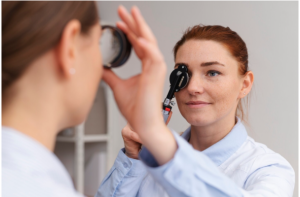
Your visual acuity and refractive error are measured. Corneal mapping or other imaging can be used to assess the shape and thickness of the cornea.
The specialist also examines the general health of the eyes. This helps identify conditions that could affect the safety or expected outcome of treatment.
If you wear contact lenses, you might need to stop wearing them before some measurements. Contact lenses can temporarily alter the shape of the cornea, which can affect the accuracy of preoperative measurements.
What Happens During Epi-LASIK Surgery?
Numbing eye drops are applied before the procedure. You remain awake while the surgical team uses equipment to keep the eye positioned during treatment.
The epithelial layer is separated using the epithelial separator. Once the underlying corneal surface is exposed, the excimer laser reshapes the cornea according to the treatment plan.
The epithelial layer is then repositioned, and a protective contact lens is placed over the eye.
The procedure itself is relatively short, although preparation and post-operative checks add to the overall appointment time.
What Is Recovery Like?
Recovery after Epi-LASIK generally takes longer than the initial recovery associated with LASIK.
This is because the epithelial surface needs time to heal. During the early stages, discomfort, watering, light sensitivity, and blurred vision are possible.
The protective contact lens helps shield the healing surface. Your surgeon will normally provide instructions regarding eye drops, medication, and when the lens should be removed.
Vision tends to improve as healing progresses, but fluctuations can occur during the recovery period.
What Activities Should You Avoid During Recovery?
Your surgeon will advise you when you can safely return to normal activities.
Rubbing the eyes should be avoided because it can interfere with healing. Activities involving dust, water, or potential eye impact might also need to be restricted for a period.
Swimming and contact sports often require additional precautions after surface laser treatment.
You should also follow the instructions regarding driving. Do not drive until your vision meets the applicable requirements and your treating professional considers it appropriate.
What Are the Potential Risks?
Epi-LASIK has potential risks and side effects, as with other forms of eye surgery.
Temporary dryness, discomfort, light sensitivity, and fluctuating vision can occur during recovery. Some patients experience glare or halos, particularly during the early stages.
Under-correction or over-correction is also possible. In some cases, additional treatment might be considered if the refractive result does not meet the intended target and the eyes are suitable for further treatment.
More serious complications are less common but remain possible. Your surgeon should explain the risks relevant to your individual circumstances before surgery.
Conclusion
Epi-LASIK is a surface-based laser vision correction procedure that reshapes the cornea to correct certain refractive errors. It differs from LASIK because it does not involve creating a deeper corneal flap.
The procedure involves working with the epithelial layer of the cornea, followed by a healing period. Temporary discomfort, light sensitivity, and blurred or fluctuating vision can occur while the surface recovers.

