

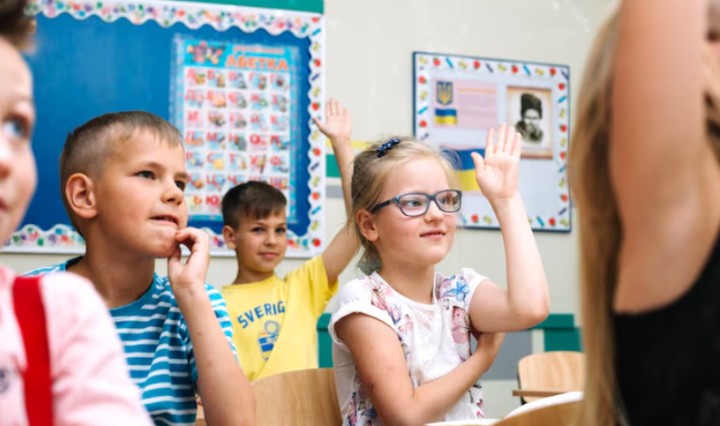
The early years of a child’s life are important for building the skills, habits and confidence needed for future learning. During this stage, children begin to understand the world around them, communicate with others and develop their own interests. A supportive preschool environment can help them explore new ideas, build relationships and become more independent.
Little Footprints Preschool focuses on creating meaningful learning experiences that support children’s development in different areas. Through hands-on activities, guided play and interaction with teachers and classmates, children have opportunities to develop their knowledge and practical abilities. Its approach, centred on experiential learning, encourages young learners to take an active role in their education while enjoying the process of discovery. Little Footprints Preschool – Hands-on Experiential Learning for Children provides an engaging approach that allows young learners to build essential skills through active participation and exploration.
The Importance of a Strong Educational Foundation
Preschool education provides children with an introduction to structured learning before they enter primary school. It helps them become familiar with routines, follow instructions and participate in activities with others. These experiences can make the transition to formal education more comfortable.
A strong educational foundation involves more than learning letters and numbers. Children also need opportunities to communicate, solve problems, manage emotions and develop social skills. These abilities support their overall growth and help them become more confident when facing new situations.
As a Partner Operator (POP) appointed by Singapore’s Early Childhood Development Agency (ECDA), Little Footprints Preschool operates within a framework that supports accessible and quality preschool education. The Partner Operator scheme aims to help families access affordable childcare while maintaining standards in early childhood programmes.
This approach highlights the importance of providing children with suitable learning opportunities while ensuring that their emotional, social and physical needs are also considered.
A Balanced Curriculum for Young Learners
Children learn in different ways, so an effective preschool curriculum should provide a variety of experiences. Some activities involve teacher-guided instruction, while others allow children to explore independently or learn through play.
Little Footprints Preschool uses a balanced approach that introduces important learning areas while encouraging curiosity and creativity. Language activities help children develop communication skills, expand their vocabulary and express their thoughts. Early numeracy activities introduce basic mathematical ideas through counting, sorting, matching and recognising patterns.
Creative activities also play an important role. Drawing, painting, music and craft projects allow children to express themselves while developing coordination and imagination. These experiences can help them become more comfortable sharing their ideas and trying different ways to complete a task.
A balanced curriculum gives children opportunities to develop at a suitable pace. Rather than focusing only on academic outcomes, it supports the different abilities that contribute to a child’s overall development.
Learning Through Hands-On Experiences
Experiential learning is an important part of early childhood education because it allows children to understand ideas through direct participation. Instead of simply listening to explanations, children can explore materials, observe changes and take part in activities that help them make sense of new information.
At Little Footprints Preschool, hands-on learning can involve activities such as simple science experiments, art projects, building exercises and nature exploration. These experiences encourage children to ask questions and discover how things work.
For example, a simple activity involving water, containers and different objects can introduce basic ideas about volume, weight and floating. Children can make observations, test their ideas and discuss what they notice. This process helps develop curiosity and early problem-solving skills.
Hands-on activities also encourage children to learn from mistakes. When a project does not work as expected, they can try another approach with guidance from their teachers. This helps them understand that learning involves exploration, patience and practice.
Developing Social and Emotional Skills
Social and emotional development is an important part of a child’s preschool experience. Children begin learning how to interact with others, share resources, take turns and express their feelings. These skills help them build positive relationships and participate more comfortably in group activities.

Group play provides natural opportunities to practise cooperation. Children may work together to complete a puzzle, build a structure or take part in a classroom activity. Through these experiences, they learn to listen to others, contribute ideas and respect different opinions.
Emotional development is equally important. Young children may find it difficult to explain their feelings or manage disappointment. Supportive educators can help them recognise emotions and develop suitable ways to respond.
Learning to wait, follow simple rules and manage frustration takes time. A nurturing preschool environment gives children the opportunity to practise these behaviours while receiving encouragement and guidance.
Personalised Attention and Individual Learning Needs
Every child develops at a different pace. Some may communicate confidently from an early age, while others need more time to express themselves. Some children may enjoy creative activities, while others show a stronger interest in numbers, construction or outdoor exploration.
Educators need to recognise these differences and provide appropriate support. Personalised attention allows teachers to observe how children respond to activities and identify areas where additional guidance may be helpful.
Smaller group settings can make it easier for educators to interact with individual children, although the actual class size and teacher-to-child arrangements may vary. Through regular observation and communication, teachers can better understand each child’s interests, strengths and learning needs.
This approach helps children feel supported rather than pressured to meet the same expectations at the same time. It also allows educators to introduce activities that encourage further development while building on existing abilities.
Building Strong Partnerships with Families
Parents and guardians play an important role in a child’s development. The learning that takes place at preschool can be supported through everyday activities and positive interactions at home. When families and educators communicate regularly, they can work together to provide consistent guidance.
Little Footprints Preschool recognises the value of family involvement in a child’s learning journey. Communication between teachers and parents can help families understand what their children are learning, how they interact with others and which areas may need further encouragement.
Parents can support learning at home through simple activities such as reading together, counting everyday objects, drawing or discussing daily experiences. These activities do not need to be complicated. Regular interaction and encouragement can help children practise skills in familiar surroundings.
A strong relationship between families and educators also makes it easier to discuss concerns and celebrate progress. This shared effort helps create a supportive environment in which children feel encouraged both at home and in preschool.
The Value of Qualified and Caring Educators
Teachers have a major influence on the preschool experience. Their ability to guide activities, respond to children’s needs and create a positive classroom environment can affect how children approach learning.
Effective early childhood educators need a combination of professional knowledge, patience and communication skills. They must understand how young children develop and recognise that different learners may require different forms of support.
A caring educator encourages children to ask questions, explore new activities and express their ideas. They also establish routines and boundaries that help children understand expectations.
Ongoing professional development can help teachers strengthen their knowledge and improve their teaching methods. By staying informed about suitable educational practices, educators can continue to provide meaningful learning experiences.
Supporting Physical and Creative Development
Physical development is another important part of early childhood education. Activities that involve running, jumping, balancing and climbing help children improve their coordination, strength and movement skills.
Fine motor development also needs attention. Tasks such as drawing, cutting with child-safe scissors, arranging small objects and building with blocks help children develop control over their hands and fingers. These abilities support everyday tasks and prepare children for activities such as writing.
Creative development allows children to explore their imagination and communicate ideas in different ways. Music, movement, storytelling and art provide opportunities for self-expression.
By combining physical and creative activities with classroom learning, preschool programmes can provide a more balanced experience that supports children’s different interests and abilities.
Encouraging Responsibility and Community Awareness
Preschool is also a suitable place for children to begin understanding their responsibilities towards others. Simple classroom routines can teach them to care for shared materials, tidy up after activities and respect the needs of their classmates.
Group projects can introduce the importance of teamwork. When children complete a task together, they learn that everyone can contribute in different ways. They also begin to understand the value of helping others and working towards a shared goal.
Environmental activities can develop awareness of the world around them. Children may learn about plants, animals, recycling and the importance of keeping their surroundings clean. These experiences introduce simple ideas about caring for the environment.
Learning about different cultures and traditions can also encourage respect and inclusivity. Through stories, celebrations and classroom discussions, children can become more aware that people may have different backgrounds, experiences and ways of life.
Using Technology in Early Childhood Education
Technology can support learning when it is introduced carefully and used for suitable educational purposes. Interactive resources, digital stories and age-appropriate learning applications can help children explore basic concepts in an engaging way.
However, technology should complement rather than replace practical activities, outdoor play and personal interaction. Young children need opportunities to move, communicate and explore real objects as part of their development.
Educators and parents should also consider screen time, content suitability and supervision. Digital activities are most useful when they have a clear learning purpose and are balanced with other experiences.
Monitoring Progress and Supporting Development
Observing children’s progress helps educators understand how they are developing and whether they need additional support. Assessment in preschool can involve observing participation, communication, problem-solving and interactions with classmates.
These observations provide useful information about a child’s strengths and areas for improvement. Educators can use this information to adjust activities and provide suitable encouragement.
Feedback should also be shared with families so that parents understand their child’s progress. Open communication allows everyone involved in the child’s development to work towards similar goals.
The purpose of early childhood assessment is not simply to compare children or place pressure on them. It is to understand their individual development and provide opportunities that support continued learning.
Creating a Safe and Supportive Learning Environment
Children need to feel safe and comfortable before they can fully participate in learning activities. A well-managed preschool environment should have suitable facilities, clear routines and appropriate supervision.
Health and safety practices help reduce everyday risks. These may include maintaining clean classrooms, checking play equipment, supervising outdoor activities and following established procedures for emergencies.
Emotional safety is just as important. Children should feel comfortable asking questions, making mistakes and expressing their feelings without fear of embarrassment. Teachers can support this by treating children with respect and responding calmly to their needs.
A positive learning environment encourages children to become more independent while knowing that guidance is available when they need it.
Conclusion
Early childhood education plays an important role in shaping the skills and attitudes children carry into later stages of learning. A supportive preschool experience can strengthen communication, creativity, confidence, social awareness and problem-solving abilities.
Little Footprints Preschool places emphasis on hands-on experiential learning, balanced educational activities and the involvement of families and educators. By providing opportunities for children to explore, interact and develop at their own pace, it supports a well-rounded approach to early childhood development.
Choosing a preschool involves considering the learning environment, teaching approach, educator support and the needs of the child. When these elements work together, children can build a strong foundation for continued learning and personal growth.

