

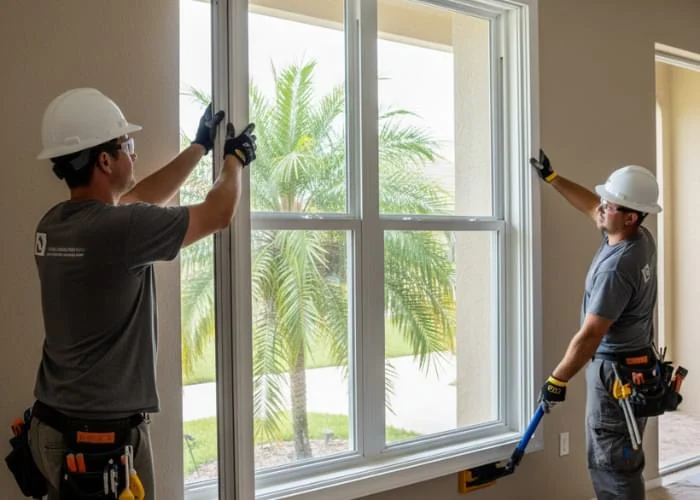
Impact windows are only as strong as the installation securing them to the wall. In South Florida, windborne debris and repeated pressure changes can expose small installation mistakes, such as an anchor tightened too much or a blocked weep hole. Homeowners often focus on the glass and frame while overlooking hidden factors that determine whether a window sheds water, resists movement under load, and passes inspection. This article explains how to evaluate an impact window installation in Miami, what labels and ratings really mean, which installation details matter most, and how property type and everyday use influence product choices. The goal is to help you recognize signs of quality before hurricane season puts the installation to the test.
What Impact Rated Really Means in Miami
An impact rated window is a tested assembly that includes laminated glass, the frame, hardware, and the approved anchoring method. These components are evaluated together for impact resistance and repeated pressure cycling. In Miami Dade and Broward counties, compliant products may carry a Miami Dade Notice of Acceptance, commonly called an NOA, or an applicable Florida Product Approval. Product documentation can include design pressure ratings, water infiltration performance, glazing information, and installation requirements. Laminated glass typically uses two panes bonded with a polyvinyl butyral or ionoplast interlayer that helps hold broken glass together. Tempered glass alone is not the same as laminated impact glazing where impact protection is required.
Before installation begins, confirm that the exact window model and size are included in a current approval and that the design pressure rating is suitable for the calculated wind load at your property. Building height, exposure, opening size, and location on the structure can all affect required performance. Homeowners can review temporary product labels for the approval number, design pressure information, and glazing details. Resources such as local building department guidance and Miami window installation services from SafeGuard can provide additional context about installation considerations. Keep copies of product approvals, labels, permits, and inspection documents until the project is complete.
Hidden Installation Details That Decide Performance
Anchoring is a critical part of storm resistance. In concrete block construction, fasteners must penetrate an appropriate structural substrate with the spacing, edge distance, and embedment required by the approved installation instructions. Fasteners placed only into weak mortar or unsuitable material may not provide the intended strength. Buck framing, which may be made from treated lumber, composite material, or another approved product, should be properly attached, level, and plumb before the window is installed. Shims should support the frame at appropriate locations so tightening the fasteners does not distort it.
Water management at the sill is equally important. Depending on the wall system and approved installation method, a sill pan or properly constructed flashing system may be used to guide water toward the exterior. Flashing should integrate correctly with surrounding wall materials so water does not become trapped behind stucco or interior finishes.
Sealants also contribute to performance. Exterior joints should use compatible materials installed according to the window and sealant manufacturers’ instructions. Backer rod may be used where appropriate to control sealant depth and improve joint shape. Factory drainage openings should remain clear because they allow water to escape from window and sliding door tracks. Mullions connecting adjacent units may require structural reinforcement according to the applicable approval. Together, proper anchoring, flashing, sealing, and drainage help determine how well the opening resists air and water intrusion during severe weather.
Checks Homeowners Can Do During Installation
You do not need sophisticated equipment to notice basic workmanship issues. A small level can help show whether jambs are plumb and the head is level. Consistent gaps around the sash can also indicate that the frame was installed without excessive distortion. Open and close casement or awning windows to make sure the sash moves freely and the locks engage smoothly. Sliding windows and doors should move easily along their tracks and close securely without excessive force.
Check that the glazing type matches the approved product documentation and that safety glazing is used where building codes require it, such as certain locations near doors, floors, or wet areas. Bedroom replacements should also preserve required emergency escape dimensions where applicable. Interior gaps around the frame should be insulated and sealed using materials compatible with the window system. Foam should be applied carefully because excessive expansion can bow some frames and interfere with operation.
Ask about sealant curing requirements before cleaning, painting, or exposing the installation to unnecessary water. Keep copies of product approvals, installation instructions, permit records, and final inspection documentation in a safe location for future reference.
How Miami Property Types Change the Specification
Different buildings require different installation approaches. A concrete block ranch built in the 1960s may have uneven stucco returns and openings that are no longer perfectly square. Installers may need to repair or rebuild portions of the opening or install suitable bucks to create a level and plumb surface for the replacement window. These changes can slightly reduce the clear opening, which is especially important in bedrooms where emergency escape requirements may apply. Accurate measurements and proper product selection are therefore essential.
A tall condominium presents different challenges. Balcony sliding doors and windows at greater elevations can experience higher wind pressures and significant salt exposure. Aluminum frames with durable finishes, corrosion resistant rollers, and suitable fasteners may be appropriate depending on the approved system. Building rules, association requirements, elevator dimensions, access restrictions, and the movement of large glass panels can also affect scheduling and installation methods.
In both situations, the product label is only the starting point. The performance of the completed opening also depends on anchoring, drainage, flashing, sealant, corrosion resistance, and compliance with the approved installation method.
Tradeoffs That Affect Daily Use and Storm Readiness
Frame material can influence structural performance, thermal comfort, appearance, and maintenance. Aluminum is rigid and can support high design pressure ratings with relatively narrow profiles, which may preserve larger sightlines. However, metal conducts heat, so frame design and appropriate glazing influence interior comfort. Vinyl generally transfers less heat and resists corrosion, but it expands more as temperatures change and may require wider frame profiles to achieve certain structural ratings.
Glass selection creates another balance. Lower solar heat gain values can reduce unwanted heat entering the home during Miami summers, which may lower cooling demand. However, different coatings can affect visible light transmission and the appearance of glass. Acoustic interlayers may help reduce traffic, aircraft, or neighborhood noise but can add weight, placing greater demands on hardware and frame design.
Window style also affects everyday use. Casement windows use compression seals that can provide strong air resistance when properly installed, but they need adequate exterior clearance to open. Sliding windows and doors save space but depend on clean tracks and open drainage paths. Installation approaches that preserve existing interior finishes may reduce disruption, while more extensive frame replacement can provide access to damaged or misaligned portions of the opening. Larger mullions or reinforced meeting rails may improve structural capacity on wide openings but can slightly reduce the view.
Understanding these tradeoffs and comparing them with the approved product documentation and calculated wind requirements can help connect everyday comfort with storm performance.
Check the Details Before Hurricane Season
Even a highly rated impact window depends on careful installation to perform properly in Miami’s climate. Verify product approvals and design pressure ratings, observe how the frame is secured and flashed, and check operation and drainage before the project is considered complete. Identifying problems early gives the installer a better opportunity to correct them before interior finishes are restored or sealants fully cure.
After installation, rinse salt residue from frames and hardware when needed, keep sliding tracks and drainage openings clear, and inspect exterior sealant periodically for cracking or separation. Store product approvals, permits, inspection records, and warranty information together for future insurance, maintenance, or resale needs. Careful attention to these details helps turn a product specification into meaningful protection when severe weather reaches South Florida.

