

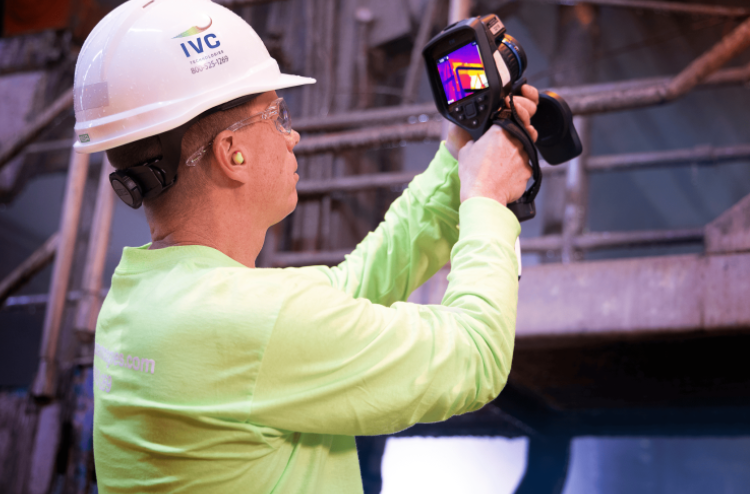
Ensuring safety at work is one of the most crucial concerns of companies working in industrial, commercial, and manufacturing settings. With the increase in complexity of machinery and requirements of work, it is vital for companies to have proper techniques to recognize dangers before any harm is done to employees, machines, and operations. Infrared (IR) thermography is one of the most promising technologies that enables companies to meet these requirements. The use of temperature differences to recognize conditions of machines without direct contact has proved to be beneficial for companies.
Improving Electrical Safety Across Facilities
Electrical safety issues have continued to pose challenges in working environments where elaborate wiring systems, distribution boards, transformers, among other powered components, facilitate normal operations. The use of traditional testing techniques has been known to expose employees to the risk of electrical accidents by forcing technicians to get very close to hazardous machinery. Thermal imaging provides an effective way of addressing such risks since it is done without getting close to the equipment. Electrical faults such as overheated circuit breakers, overloaded connections, and overloads can be detected with equipment running normally. This will allow repair teams to fix potential faults before they cause fires, power outages, and malfunction of machinery.
Preventing Equipment Failures Before They Become Dangerous
Equipment malfunctions can cause hazards in the workplace, especially if such equipment is involved with electricity, motors, or any form of heavy machinery that is subject to tough operating conditions. Infrared thermal imaging is one way through which maintenance personnel can detect any irregular temperatures in the equipment, indicating a faulty or potentially dangerous situation. The temperatures are an indication of such things as loose electrical wiring, overloading, or mechanical failure due to friction. Companies that invest in dependable infrared thermography inspection solutions to monitor critical assets can improve equipment reliability while reducing the likelihood of fires, electrical incidents, and unexpected mechanical failures. This proactive approach also minimizes unplanned downtime and supports safer working conditions for employees responsible for operating or maintaining industrial systems.
Supporting Predictive Maintenance Strategies
Predictive maintenance is a key factor that determines how safe the workplace is in the modern day. IR thermography plays an important role in predictive maintenance because it provides essential data regarding machine conditions under normal operation. Thermal cameras can detect abnormal temperature increases associated with bearing wear, lack of lubrication, misalignment, or insufficient cooling. It is possible for maintenance engineers to consider the results obtained in combination with vibration analysis and other data in order to understand whether machines require any intervention. In this way, companies will be able to eliminate unnecessary preventive actions and focus on maintenance processes based on the current condition of equipment.
Reducing Exposure to Hazardous Environments
There are particular working environments that feature harsh conditions that do not allow the use of traditional inspection methods safely. These could include manufacturing plants, energy facilities, places where chemical processes take place, and other industrial facilities with harsh working environments characterized by high temperatures, mechanical risks, electrical risks, or places that are not easy to access. Infrared cameras enable inspectors to examine the surface of equipment and detect any possible problem without having to physically interact with it. Some infrared camera systems can even be used in remote monitoring setups, allowing constant supervision of valuable assets from safe distances.
Strengthening Workplace Safety Management
Safety management depends on having correct information, regular inspections, and sound decision-making. This is where thermal imaging can assist because it will provide images that show equipment status and the places that need to be checked further. Maintenance staff will be able to compare the outcomes of their inspections, find out if there are any repeated temperature issues, and see if the previous repairs were successful. All this will allow safety managers to set the right priorities for maintenance and establish preventive measures in order to ensure that all necessary equipment is inspected correctly. Together with the staff training and the inspection process, thermal imaging will become an essential element of a safety program in the workplace.
IR thermography is revolutionizing workplace safety in terms of improved inspection, hazard detection, and preventive maintenance. The advantage of detecting an abnormal temperature level without coming into contact with a potential danger makes it very helpful in ensuring safety in the workplace as well as ensuring that the machines remain operational.

