

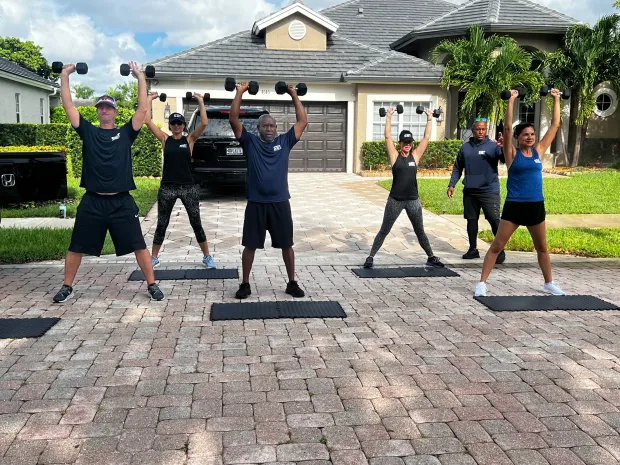
Orlando’s sunshine makes outdoor exercise appealing throughout the year. However, high temperatures and humidity can turn a normal workout into a demanding physical challenge. When the air is humid, sweat evaporates more slowly, making it harder for the body to release heat.
Working with a qualified personal trainer Orlando residents trust can help you adjust your routine, recognize warning signs, and continue making progress safely. Whether you enjoy running, strength training, or park workouts, these strategies can help you exercise more comfortably in Central Florida.
Check the Heat Index Before Every Workout
The temperature shown on your phone does not always reflect how the weather will feel. The heat index combines air temperature and relative humidity to estimate the apparent temperature. The National Weather Service notes that 96°F with 65% humidity can feel like 121°F. Full sunshine can make conditions feel even hotter.
Before training outdoors, check the hourly temperature, humidity, and heat index. Exercise produces additional body heat and makes the heart work harder to move blood toward the skin.
A personal trainer in Orlando may lower the intensity, add recovery periods, move the workout into shade, or recommend an indoor alternative when conditions become unsafe.
Exercise During Cooler Hours
Early morning is often the best time for outdoor training in Orlando. Temperatures are usually lower, the sun is less intense, and walking paths may be less crowded. Evening workouts can also work, although humidity may remain high after sunset.
Avoid demanding workouts during the hottest part of the day. If midday is your only available time, use an air-conditioned gym, shaded structure, or indoor home workout. Changing your schedule supports consistency and lowers the risk of heat illness.
Hydrate Before You Feel Thirsty
Do not wait until the middle of a workout to start drinking water. Begin your session well hydrated and bring enough fluid for the full workout. Take regular drink breaks during longer sessions or whenever you are sweating heavily.
Water is generally appropriate for shorter, moderate workouts. Longer or more intense sessions may require electrolytes, particularly for people who sweat heavily or notice salt marks on their clothing. Sports drinks should not automatically replace water because some contain significant added sugar.
Hydration needs vary based on body size, workout intensity, sweat rate, medication use, and weather. A personal trainer Orlando clients work with can schedule practical drink breaks, but anyone with kidney, heart, or other medical conditions should ask a healthcare professional about fluid needs. The CDC recommends staying hydrated and taking additional precautions when exercising during hot weather.
Give Your Body Time to Acclimate
Even physically fit people need time to adapt to hot and humid weather. If you recently moved to Florida, took a long break, or are transitioning from indoor to outdoor exercise, start with shorter and easier sessions.
For the first one to two weeks, reduce your normal pace, resistance, or interval length. Walk instead of running, complete fewer strength circuits, or rest longer between sets. Gradually increase the workload as your body adjusts. The National Weather Service similarly recommends beginning slowly when you are not accustomed to exercising in hot conditions.
A productive workout should challenge you, but it should not leave you dizzy, confused, or unable to recover. Long-term progress comes from consistent sessions, not one extreme workout.
Choose Heat-Friendly Clothing
Wear lightweight, loose-fitting, breathable clothing. Moisture-wicking fabrics can move sweat away from the skin, while light-colored clothing absorbs less heat than darker materials. A ventilated hat, sunglasses, and broad-spectrum sunscreen can provide additional protection.
Heat and sweat may cause foot swelling and friction, so choose properly fitted shoes and moisture-managing socks. Check pavement, artificial turf, benches, and metal equipment because outdoor surfaces can become extremely hot.
Know the Warning Signs of Heat Illness
Heat-related illness can develop quickly. Warning signs may include unusual weakness, headache, nausea, dizziness, muscle cramps, heavy sweating, rapid breathing, or a pounding heartbeat. The CDC advises stopping physical activity and moving to a cool place if you begin feeling faint or weak.
Confusion, loss of consciousness, seizures, or extremely hot skin may indicate heat stroke, which is a medical emergency. Call emergency services immediately and begin cooling the person while help is on the way.
Never try to push through serious symptoms. Ending one workout early is better than risking a severe illness.
Modify the Workout Without Losing Progress
Hot weather does not mean abandoning your fitness goals. Replace long runs with shorter intervals, reduce the total number of sets, use controlled strength exercises, or alternate between outdoor and indoor training days.
On especially uncomfortable days, focus on mobility, balance, core strength, or exercise technique. These sessions still support performance and may improve movement quality when you return to higher-intensity training.
Your effort level should also match the weather. A pace that feels manageable in an air-conditioned gym may feel significantly harder outside. Reduce the workload when necessary instead of trying to maintain the same speed, weight, or workout duration in every environment.
Train Smarter With a Personal Trainer Orlando Residents Trust
Florida’s climate requires preparation, flexible programming, proper hydration, and attention to your body’s signals. A knowledgeable personal trainer Orlando residents rely on can design workouts around your current fitness level, goals, schedule, and tolerance for heat.
Personalized coaching can also help you decide when to increase intensity, when to take additional recovery time, and when an outdoor workout should be moved indoors. This approach allows you to pursue your goals without treating every session as a test of endurance.
By checking the heat index, exercising during cooler hours, acclimating gradually, and responding quickly to warning signs, you can remain active throughout the year. The goal is not simply to finish a hot workout. It is to build a safe, sustainable routine that keeps you healthy, confident, and moving forward.

