


Pregnancy can bring many physical and emotional changes. As the body adapts, some expectant mothers experience back discomfort, tired muscles, swollen feet, restless sleep, or general tension. Prenatal massage is designed specifically for pregnancy and can provide a gentle way to support comfort and relaxation. Unlike a standard massage, it takes the changing needs of the expectant mother into account, including body position, pressure, comfort, and areas that may need extra care.
Understanding Prenatal Massage
Prenatal massage is a specialised form of massage adapted for people who are pregnant. A trained therapist uses suitable techniques to work on areas affected by everyday pregnancy discomfort. The treatment may focus on the back, shoulders, hips, legs, or other areas where tension develops.
The main purpose is comfort and relaxation rather than intense muscle work. Pressure should be adjusted to the individual’s needs, and the session should never feel painful. Communication is important throughout the treatment. If a position, movement, or pressure feels uncomfortable, the therapist should be told immediately so adjustments can be made.
Physical Comfort and Muscle Relief
As pregnancy progresses, changes in posture, body weight, and movement can place additional strain on certain muscles and joints. This can contribute to aches in the lower back, hips, shoulders, and legs. Prenatal massage may help reduce muscle tension and provide temporary relief from some of these everyday discomforts.
Rather than treating every pregnancy-related symptom, it should be viewed as a supportive comfort measure that can complement appropriate prenatal care.
Supporting Relaxation and Sleep
Rest can become difficult during pregnancy, particularly when physical discomfort makes it harder to settle at night. A calm massage session can create time to slow down, breathe, and release some physical tension.
Relaxation may also make it easier for some people to settle into a comfortable bedtime routine. However, massage should not be presented as a treatment for pregnancy-related sleep disorders. Persistent or severe sleep problems should be discussed with a qualified healthcare professional, especially when they affect daily wellbeing.
Managing Swelling and Tired Legs
Swelling around the feet and ankles is common during pregnancy, although sudden or unusual swelling can require medical attention. Gentle massage may feel soothing when the legs and feet feel tired after a long day.
Therapists should use pregnancy-appropriate techniques and avoid excessive pressure. Massage is not a substitute for medical assessment when swelling appears suddenly, becomes severe, or occurs alongside other concerning symptoms. Any unusual change during pregnancy deserves appropriate professional attention.
Comfortable Positioning During Treatment
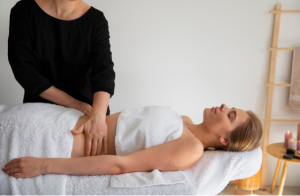
Positioning is one of the most important parts of prenatal massage. As pregnancy develops, lying in certain positions for long periods may become uncomfortable. A trained therapist can use supportive cushions, pillows, or specially designed positioning techniques to help the client remain comfortable.
The ideal position can vary from person to person and may also change as pregnancy progresses. The therapist should check comfort regularly rather than assuming that one position suits everyone. Shorter sessions or position changes may also be appropriate when needed.
Choosing a Qualified Therapist
Selecting a therapist with suitable prenatal massage in Singapore, training is an important step. Pregnancy requires additional awareness because the body is changing and certain techniques or positions may not be appropriate.
Before booking a session, expectant mothers can ask about the therapist’s pregnancy-specific training, experience, treatment approach, and safety procedures. A professional should be willing to discuss relevant concerns and explain how the session will be adapted.
When Medical Advice Is Important
Prenatal massage may not be suitable for every pregnancy. People with certain medical conditions or pregnancy complications may need medical advice before receiving massage. Conditions such as pre-eclampsia, bleeding, significant pain, or other pregnancy complications require appropriate healthcare guidance rather than relying on massage for relief.
It is sensible to discuss massage with a doctor, midwife, or other qualified maternity professional when there is any uncertainty. A healthcare provider can consider the individual’s circumstances and advise whether massage is appropriate.
Making the Session More Comfortable
A prenatal massage session should feel calm, respectful, and personalised. Before treatment begins, the therapist should understand which areas feel uncomfortable and whether there are any positions the client cannot tolerate.
Comfortable room temperature, suitable support, and clear communication can make a meaningful difference. The client should also feel able to request changes at any point. There is no need to tolerate pressure or positioning that causes discomfort simply to complete a session.
A gentle approach is generally more appropriate than attempting to work deeply into painful areas. The goal is to encourage comfort rather than create additional soreness.
Prenatal Massage as Part of Self-Care
Prenatal massage can be one part of a wider self-care routine during pregnancy. Gentle movement, suitable rest, balanced nutrition, hydration, and regular prenatal appointments can all contribute to general wellbeing.
Massage should complement, rather than replace, professional maternity care. It can provide a dedicated period for relaxation and physical comfort while giving expectant mothers an opportunity to pay attention to how their bodies feel.
Understanding Individual Needs
Every pregnancy is different, so there is no single massage routine that suits everyone. What feels comfortable during one stage of pregnancy may not feel suitable later. Personal preferences, physical changes, medical considerations, and daily activity levels can all influence the experience.
A thoughtful therapist will adapt the session instead of following a fixed routine. Open communication before and during treatment helps create a safer and more comfortable experience.
Conclusion
Prenatal massage can offer gentle support for relaxation and everyday physical discomfort during pregnancy when it is provided appropriately. Its value lies in creating a comfortable, personalised experience that respects the body’s changing needs.
Choosing a suitably trained therapist, using supportive positioning, communicating clearly, and seeking medical advice when necessary are important parts of responsible prenatal massage. With these considerations in place, massage can become a useful addition to a broader approach to pregnancy wellbeing, helping expectant mothers make time for rest, comfort, and relaxation while continuing to follow appropriate professional maternity care.

