

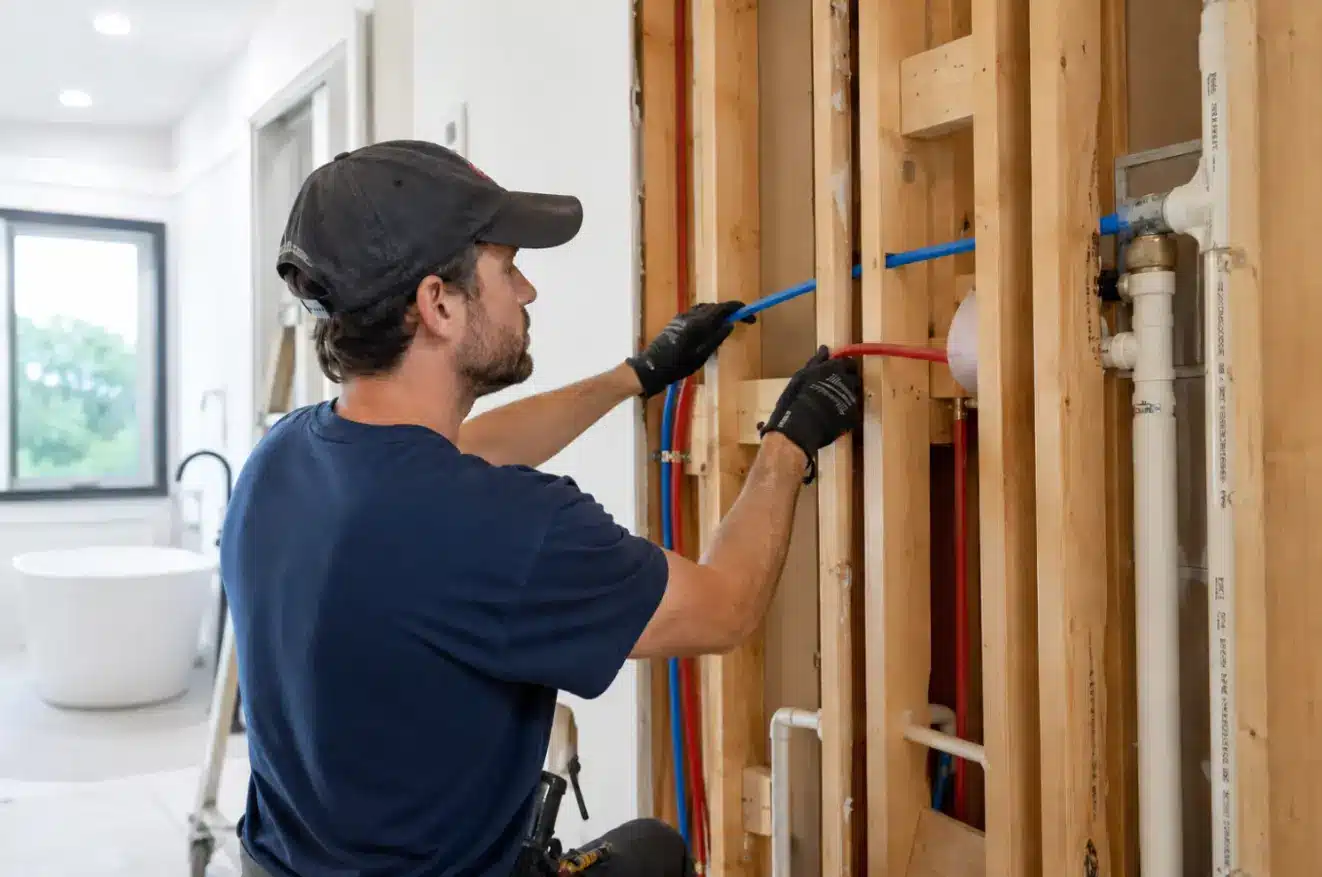
A reliable plumbing system is essential for everyday comfort, sanitation, and the efficient operation of a property. Pipes remain hidden behind walls, beneath floors, and in ceilings, so their condition is often overlooked until a serious problem develops. Over time, however, pipes can deteriorate because of corrosion, mineral buildup, age, pressure, repeated repairs, or damage caused by environmental conditions. When plumbing problems become frequent and individual repairs are no longer providing a practical long-term solution, replacing sections or the entire piping network may be worth considering. Professional repiping provides an opportunity to remove deteriorated plumbing materials and replace them with suitable modern alternatives. The process involves much more than simply removing old pipes and installing new ones. It requires detailed inspection, careful planning, appropriate material selection, accurate measurements, secure connections, and thorough testing. Understanding these factors can help property owners make informed decisions and prepare for a successful plumbing improvement project.
Recognizing the Signs of Aging Plumbing
Plumbing systems rarely fail without providing some warning signs. Recurring leaks are one of the most obvious indicators that pipes may be deteriorating, especially when leaks begin appearing in different areas rather than remaining isolated to one fixture. Discolored water, unpleasant odors, unusual sounds, and reduced water pressure can also indicate potential problems within the plumbing network. In some cases, the visible symptom may not reveal the true source of the problem because pipes hidden behind walls or beneath flooring can deteriorate without producing obvious signs until damage becomes significant. Professional repiping begins with a careful evaluation of these warning signs and the overall condition of the existing system. Technicians can inspect accessible pipe sections, examine previous repair areas, evaluate connections, and consider the age and material of the plumbing. Identifying patterns of failure can help determine whether the property is dealing with isolated issues or a broader deterioration problem that requires a more comprehensive solution.
Understanding Why Pipes Deteriorate
Several factors can contribute to the gradual deterioration of plumbing pipes. Certain metal pipes can corrode internally, reducing their effective diameter and restricting water flow. Mineral deposits can accumulate inside pipes and fixtures, particularly when water contains significant levels of dissolved minerals. Temperature changes, water pressure, soil movement, and repeated expansion and contraction can also place stress on plumbing components. Older pipe materials may become brittle, develop corrosion, or experience joint failures as they age. During repiping, professionals consider the specific causes of deterioration so that the replacement system can be designed to avoid repeating the same problems. Simply installing new pipes without understanding why the old system failed may not provide the best long-term result. A complete assessment can reveal whether material selection, pipe routing, water pressure, environmental exposure, or another factor contributed to the original problems, allowing the replacement plan to address those concerns more effectively.
Evaluating the Existing Plumbing System
Before replacement work begins, it is important to understand how the existing plumbing system is arranged and how well it currently performs. A professional assessment may involve inspecting exposed pipes, testing water pressure, checking fixture performance, reviewing previous repair records, and identifying areas where leaks have occurred. The condition of valves, fittings, supply lines, and other connected components should also be considered because replacing pipes while leaving severely deteriorated supporting components may create future problems. A detailed inspection helps determine the scope of the work and prevents unnecessary replacement of components that remain in good condition. During repiping, technicians can use the information gathered from the inspection to develop a practical plan for removing old materials and installing new piping. The assessment can also identify areas where access may be difficult, allowing professionals to prepare appropriate tools and methods before work begins. Careful evaluation is therefore one of the most important stages of a successful plumbing replacement project.
Choosing the Right Replacement Materials
Modern plumbing systems can use several different types of pipe materials, and each option has characteristics that make it suitable for particular applications. Copper is known for durability and has been widely used in plumbing systems, while PEX provides flexibility and can be easier to route through certain structures. PVC and CPVC are also used in various applications and offer different characteristics related to temperature, pressure, and chemical resistance. The appropriate choice depends on the property’s plumbing requirements, the type of water system, operating conditions, installation environment, and applicable standards. Professional repiping should involve careful material selection rather than choosing a product solely because it is inexpensive or widely available. Compatibility with fittings, valves, fixtures, and other components is also important. High-quality materials can contribute to a reliable system, but even the best pipe will not perform properly if it is incorrectly sized, improperly connected, or installed in unsuitable conditions.
Planning the New Pipe Layout
The layout of the replacement plumbing system can have a major effect on its efficiency and future maintenance requirements. Before removing old pipes, professionals should determine where new lines will run, which fixtures they will serve, and how connections will be made. A well-planned layout can reduce unnecessary bends, limit excessive joints, improve accessibility, and make future repairs easier. During repiping, technicians may also identify opportunities to improve the arrangement of valves and service points so that individual sections can be isolated when maintenance is needed. Pipe sizing should be considered carefully because undersized lines can restrict flow, while unnecessarily large pipes can increase costs without providing meaningful advantages. The new layout should also take structural limitations into account to avoid unnecessary damage to walls, floors, ceilings, cabinets, or other property features. Detailed planning before installation begins can make the project more organized and reduce unexpected complications during construction.
Managing Disruption During Replacement
One of the main concerns associated with plumbing replacement is the temporary disruption that may occur while work is being completed. Because many pipes are concealed, technicians may need access to walls, floors, ceilings, cabinets, or other areas of the property. The amount of access required depends on the existing plumbing configuration and the method used for the replacement. Professional repiping teams can organize the project in stages to reduce unnecessary disruption and maintain access to essential fixtures whenever practical. Furniture and finished surfaces should be protected from dust, debris, tools, and construction activities. Property owners should also understand when water service may need to be interrupted so they can plan accordingly. Good communication between technicians and occupants can make the project easier to manage. Although some inconvenience may be unavoidable, careful scheduling, preparation, and organization can help keep the work as efficient and controlled as possible.
Installing Secure Connections
The reliability of a plumbing system depends heavily on the quality of its connections. Pipes may be joined using different techniques depending on the material, application, pressure, and manufacturer requirements. Connections can involve fittings, soldering, solvent welding, compression systems, press fittings, threaded joints, or mechanical couplings. Each method requires proper preparation and careful installation. During repiping, technicians should ensure that pipe ends are prepared correctly, fittings are compatible, and connections are properly aligned and secured. A poorly installed joint can result in a slow leak that remains hidden until significant damage occurs. Over-tightening can also damage certain fittings or components, while insufficient tightening can leave connections vulnerable to leakage. Every joint should therefore be treated as an important part of the system rather than a routine step that can be rushed. High-quality connections contribute significantly to the long-term reliability of the replacement plumbing network.
Improving Water Flow and Pressure
Old plumbing can sometimes experience restricted water flow because corrosion and mineral deposits reduce the internal diameter of pipes. Property owners may notice that fixtures take longer to deliver water or that pressure decreases significantly when multiple outlets are operating. Replacing severely restricted pipes can improve water movement, although overall pressure is affected by several factors beyond the condition of the piping itself. During repiping, professionals can evaluate pipe sizing, existing pressure, fixture requirements, valves, and the overall layout to determine whether the replacement system can provide improved performance. Appropriate sizing is particularly important because a well-designed system should deliver adequate flow without creating unnecessary pressure losses. Technicians can also identify whether low pressure originates from the main supply, a valve, a fixture, or another part of the plumbing system. Addressing the actual cause rather than assuming that every pressure problem comes from old pipes helps ensure that the project provides realistic and useful improvements.
Testing the New Plumbing System
Thorough testing should be completed before the replacement plumbing is considered finished. A new system may appear perfect visually while still containing weak connections, incorrect fittings, or hidden leaks. Pressure testing and other appropriate inspection procedures can help identify problems before walls, floors, ceilings, or cabinets are fully restored. After repiping, technicians should inspect connections, operate fixtures, check valves, and monitor the system under appropriate conditions. Testing can confirm that water reaches the intended fixtures and that the system maintains suitable pressure without visible leakage. Any problems discovered during testing should be corrected before the work is finalized. Proper testing is particularly important for concealed plumbing because accessing a defective connection after the surrounding surface has been restored can be significantly more difficult. A careful testing process therefore provides an important final quality check and helps protect the investment made in the new plumbing system.
Maintaining the New Plumbing System
Although modern replacement pipes can provide dependable service, regular maintenance remains important for protecting the system over time. Property owners should pay attention to changes in water pressure, unusual sounds, visible moisture, recurring fixture problems, or changes in water appearance. Early attention to unusual conditions can help prevent minor issues from developing into larger failures. During repiping, professionals may also improve the accessibility of shutoff valves and service points, making future maintenance easier. Keeping documentation of the materials installed, pipe routes, major valves, and completed work can be extremely helpful if repairs or modifications are required later. Regular inspections can identify developing problems before they cause significant damage, while proper use of fixtures can reduce unnecessary stress on plumbing components. A replacement system represents a substantial investment, and maintaining it properly can help preserve its performance and extend its useful life.
Deciding Between Partial and Complete Replacement
Not every plumbing problem requires replacement of the entire system. If most of the existing pipes are in good condition and one isolated section has failed, replacing that section may be an appropriate solution. However, if leaks are occurring repeatedly throughout the property or the majority of the piping is showing signs of deterioration, a larger replacement project may provide better long-term value. Professional repiping assessments can help property owners compare these options based on the condition of the plumbing, repair history, material type, age, accessibility, and expected future maintenance costs. Continuing to repair an aging system can become expensive when failures occur repeatedly in different areas. A comprehensive replacement may require a larger initial investment but can reduce recurring service needs and provide a more consistent plumbing infrastructure. The right choice should be based on the actual condition of the system rather than on a single repair event or short-term cost comparison.
Benefits of Professional Plumbing Replacement
Professional plumbing replacement offers several advantages because experienced technicians have the knowledge and equipment required to manage complex piping projects. They understand how to evaluate existing systems, choose compatible materials, create efficient layouts, establish secure connections, and test completed installations. Professional repiping can also help reduce the risk of mistakes that may occur when inexperienced individuals attempt to replace extensive sections of concealed plumbing. Proper workmanship is particularly important because many replacement pipes become inaccessible once walls, ceilings, or floors are restored. Professionals can identify potential complications before installation begins and develop strategies for minimizing disruption. They can also provide guidance about maintenance and future access to important components. Although professional services may represent a significant initial expense, quality installation can provide long-term benefits by reducing recurring leaks, improving system performance, and creating a more dependable plumbing network.
Preparing for a Successful Project
Property owners can take several steps to make a plumbing replacement project more organized. Before work begins, it is useful to discuss the expected scope, schedule, access requirements, materials, water interruptions, testing procedures, and restoration responsibilities with the contractor. Removing unnecessary items from work areas can give technicians better access and help protect belongings. It is also helpful to keep important documents and valuable possessions away from areas where construction activities will take place. During repiping, clear communication can reduce misunderstandings and help ensure that everyone understands what work is being performed. Property owners should also ask questions about how existing surfaces will be protected and how access openings will be handled after the plumbing work is completed. Good preparation cannot eliminate every inconvenience, but it can make the overall process more predictable and easier to manage. A well-organized project is more likely to progress smoothly from inspection through installation, testing, and final restoration.
Final Thoughts
Aging plumbing can cause repeated leaks, poor water flow, corrosion, unexpected repair expenses, and significant inconvenience when problems become widespread. While individual repairs can be appropriate for isolated issues, a deteriorating plumbing network may eventually require a more comprehensive solution. Professional repiping provides an opportunity to replace failing components with carefully selected materials and create a plumbing system designed for dependable long-term performance. The process should begin with a detailed assessment and continue through careful planning, material selection, accurate installation, secure connections, pressure and leak testing, and appropriate maintenance. Property owners who understand the warning signs of aging plumbing can address problems before they lead to extensive damage. A properly planned replacement can improve water delivery, reduce recurring repairs, and make future maintenance more manageable. By investing in quality materials and professional workmanship, property owners can establish a reliable plumbing system that provides greater efficiency, durability, and peace of mind for years to come.

