

Expanding your business by opening a second storefront is an exciting milestone, but it comes with significant considerations that can impact your long-term success. Before signing a lease, it is crucial to evaluate every aspect of the new location, from the physical condition of the property to the terms of the lease agreement. Understanding the local market, zoning regulations, and potential risks will help you make informed decisions and avoid costly mistakes. Taking the time to thoroughly assess these factors ensures that your new storefront supports your business goals and positions you for sustainable growth.
Key factors to consider before leasing
Evaluating the Location and Market
Choosing the right location for your second storefront is one of the most important decisions you will make during expansion. The success of your new store depends heavily on the surrounding neighborhood, foot traffic, and accessibility. Start by researching the demographics of the area to ensure they align with your target customer base. Analyze the competition nearby and consider whether the market is saturated or if there is room for your business to thrive. Pay attention to visibility from the street, parking availability, and proximity to public transportation, as these factors can significantly influence customer convenience and sales. Additionally, consider the long-term development plans for the area, as upcoming construction or changes in zoning could affect your business in the future. Taking the time to visit the location at different times of day can provide valuable insight into traffic patterns and customer behavior, helping you make a well-informed decision.
Understanding Lease Terms and Negotiations
Before committing to a lease, it is essential to thoroughly review and understand the terms outlined in the agreement. Lease contracts can be complex, with clauses that may impact your business operations and financial obligations. Pay close attention to the length of the lease, renewal options, and any rent escalation clauses that could increase your costs over time. It is also important to clarify who is responsible for maintenance, repairs, and property taxes, as these expenses can add up quickly. Subletting and assignment provisions should be examined in case you need to transfer the lease in the future. Engaging with Miami attorneys handling business and real estate matters can provide valuable guidance during negotiations, ensuring that your interests are protected and that you fully understand your rights and responsibilities as a tenant. Taking a proactive approach to lease negotiations can help you secure more favorable terms and avoid unexpected liabilities down the road.
Assessing Zoning and Regulatory Compliance
Ensuring that your intended use of the new space complies with local zoning laws and regulations is a critical step before signing a lease. Zoning ordinances dictate how properties can be used, and operating a business in a non-compliant location can result in fines, legal disputes, or even forced closure. Research the zoning classification of the property and verify that your business activities are permitted. Some areas may have restrictions on signage, hours of operation, or types of businesses allowed. It is also important to check for any required permits or licenses specific to your industry or location. Consulting with local authorities or a knowledgeable advisor can help you navigate these requirements and avoid costly mistakes. Taking the time to confirm compliance before leasing will save you from potential legal and financial headaches in the future.
Inspecting the Physical Condition of the Property
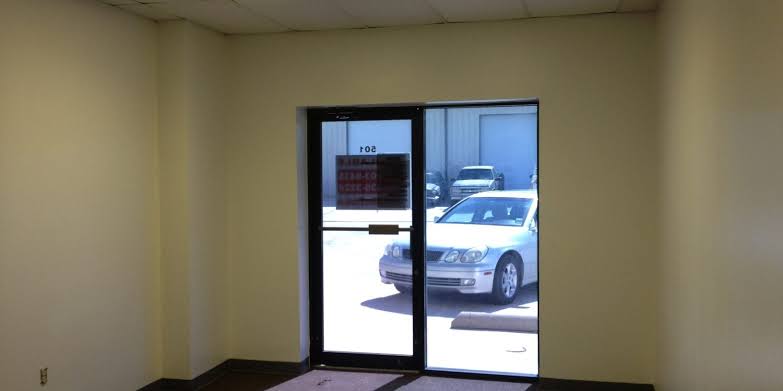
The physical state of the property is another crucial factor to evaluate before leasing space for your second storefront. Conduct a thorough inspection of the building, paying close attention to the condition of the roof, plumbing, electrical systems, and HVAC units. Look for signs of water damage, mold, or structural issues that could require expensive repairs. Assess whether the layout and size of the space meet your operational needs and if any modifications or renovations will be necessary. It is also important to consider accessibility for customers with disabilities and compliance with the Americans with Disabilities Act (ADA). Requesting a professional inspection can uncover hidden problems and provide leverage during lease negotiations. Addressing these issues upfront ensures that you are not faced with unexpected repair costs or disruptions to your business after moving in.
Considering Future Growth and Flexibility
When leasing space for a second storefront, it is important to think beyond your immediate needs and consider your long-term growth plans. Evaluate whether the space can accommodate future expansion, such as increased inventory, additional staff, or new services. Flexible lease terms, such as options to expand into adjacent units or renew the lease at favorable rates, can provide valuable opportunities for growth. Discuss with the landlord any potential for modifying the space or making improvements as your business evolves. Planning for scalability from the outset will help you avoid the need to relocate again in the near future, saving time and resources. A forward-thinking approach ensures that your new storefront remains a valuable asset as your business continues to grow.
Importance of Professional Guidance
Seeking professional advice before leasing a new storefront can make a significant difference in the outcome of your expansion. Real estate agents, attorneys, and financial advisors can help you navigate complex lease agreements, assess the suitability of the property, and identify potential risks. Their insights can help you avoid common pitfalls and ensure that your interests are protected throughout the leasing process. Taking advantage of their knowledge can streamline your decision-making and provide peace of mind as you move forward with your business expansion.
Conclusion
Leasing space for a second storefront is a major step that requires careful planning and thorough evaluation. By considering factors such as location, lease terms, zoning compliance, property condition, and future growth potential, you can make informed decisions that support your business objectives. Taking the time to conduct due diligence and seek professional guidance will help you avoid costly mistakes and set your new storefront up for long-term success. With a strategic approach and attention to detail, your expansion can become a valuable opportunity to reach new customers and strengthen your brand in the marketplace.

