

If you have recently moved into a home with a septic system or have never scheduled a septic tank pump-out before, you might be wondering what the process involves and why it is so important. Septic systems are essential for managing household wastewater in areas without access to municipal sewer lines, and regular maintenance is crucial to keep everything running smoothly. A pump-out is a routine procedure that removes accumulated solids and sludge from your tank, preventing costly repairs and unpleasant issues. Understanding what happens during your first septic tank pump-out can help you feel prepared and confident when the time comes.
Overview of the Pump-Out Process
Why Septic Tank Pump-Outs Are Necessary
Septic tanks are designed to separate solids from liquids, allowing wastewater to flow into the drain field while solids settle at the bottom. Over time, these solids build up and can eventually overflow into the drain field, causing blockages, backups, and even system failure. Regular pump-outs are necessary to remove these solids and maintain the efficiency of your septic system. If neglected, the tank can become overloaded, leading to unpleasant odors, slow drains, and potential health hazards. Scheduling a pump-out every three to five years, depending on household size and usage, is a proactive way to protect your property and avoid expensive repairs. A well-maintained septic system also helps preserve the environment by preventing untreated wastewater from contaminating groundwater and nearby water sources.
What Happens During the Pump-Out Appointment
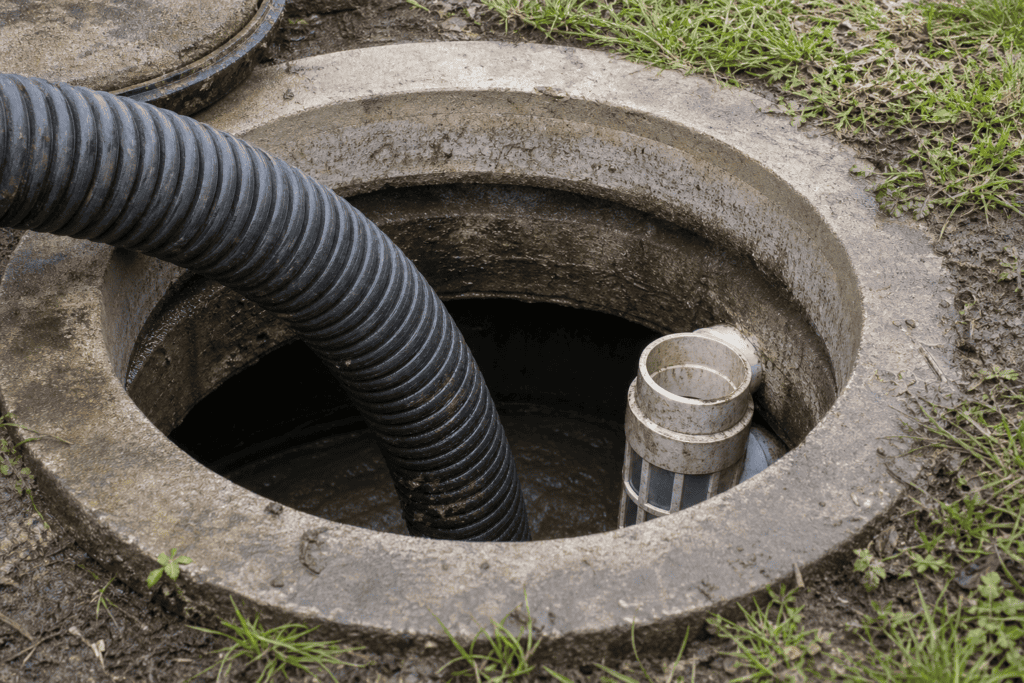
When you schedule your first septic tank pump-out, a technician will arrive with a vacuum truck equipped to remove the contents of your tank. The process begins with locating and uncovering the septic tank lids, which may be buried under soil or grass. The technician will then assess the condition of the tank and measure the sludge and scum levels to determine how much material needs to be removed. Using a large hose connected to the vacuum truck, the technician will pump out the solids, liquids, and floating scum from the tank. During this process, the technician may also inspect the tank for signs of damage, leaks, or wear. If you want to learn more about the services offered or schedule your own appointment, you can view the service page for additional information and contact details.
What to Expect During the Visit
The entire pump-out process typically takes between 30 minutes to an hour, depending on the size of your tank and how easy it is to access. The technician will take care to minimize disruption to your yard and will replace any soil or grass that was removed to access the tank. You may notice a temporary odor during the pump-out, but this should dissipate quickly once the job is complete. After the tank is emptied, the technician will check for any issues such as cracks, root intrusion, or faulty baffles that could affect the performance of your system. They may also offer recommendations for future maintenance or repairs if any problems are detected. It is a good opportunity to ask questions about your system and learn how to keep it functioning properly between pump-outs.
Tips for Preparing for Your Pump-Out
Before your scheduled appointment, there are a few steps you can take to ensure a smooth and efficient pump-out. Make sure the area around your septic tank is clear of obstacles such as vehicles, outdoor furniture, or landscaping features. If you know where your tank lids are located, mark them or inform the technician to save time during the visit. Keep pets and children away from the work area for safety. It is also helpful to have information about your septic system on hand, such as the age of the tank, the date of the last pump-out, and any previous maintenance records. Being prepared not only helps the technician work efficiently but also allows you to address any concerns or questions you may have about your system.
Understanding the Costs Involved
The cost of a septic tank pump-out can vary depending on factors such as the size of your tank, the amount of waste to be removed, and your location. On average, homeowners can expect to pay a few hundred dollars for a standard pump-out. Additional fees may apply if the technician encounters difficulties accessing the tank or if repairs are needed. While the upfront cost may seem significant, regular pump-outs are a worthwhile investment that can prevent much more expensive problems down the line. Keeping your septic system in good working order also helps maintain your property value and ensures the health and safety of your household.
Common Questions About Septic Pump-Outs
Many homeowners have questions about what to expect during their first septic tank pump-out. Some wonder how often the service is needed, while others are concerned about potential odors or disruptions to their daily routine. It is normal to feel uncertain if you have never experienced a pump-out before, but the process is straightforward and typically causes minimal inconvenience. Technicians are trained to handle the job efficiently and will take steps to protect your property during the visit. If you have specific concerns or unique circumstances, do not hesitate to discuss them with your service provider ahead of time. Clear communication can help ensure a positive experience and give you peace of mind about your septic system maintenance.
The Importance of Regular Maintenance
Regular septic tank pump-outs are a key part of responsible homeownership for anyone with a septic system. By removing accumulated solids and inspecting the tank for potential issues, you can extend the life of your system and avoid unpleasant surprises. Neglecting maintenance can lead to backups, foul odors, and even environmental contamination, all of which can be costly and stressful to resolve. Staying on top of your pump-out schedule and following any recommendations from your technician will help keep your system running smoothly for years to come. Remember that a well-maintained septic system not only protects your property but also contributes to the health and safety of your community.
Quick Recap of the Pump-Out Experience
Your first septic tank pump-out is a straightforward process that involves removing solids and inspecting your system to ensure it is functioning properly. The technician will handle the work efficiently, and you can expect minimal disruption to your daily routine. Regular pump-outs are essential for maintaining a healthy septic system and preventing costly repairs.
Conclusion
Scheduling your first septic tank pump-out may seem daunting, but understanding the process can help you feel more comfortable and prepared. The procedure is an important part of maintaining your septic system and protecting your home from potential issues. By working with a reputable service provider and staying informed about your system’s needs, you can ensure that your septic tank continues to operate efficiently for years to come. Regular maintenance not only safeguards your property but also supports the health of your family and the environment. Taking proactive steps today will help you avoid problems in the future and give you confidence in your home’s wastewater management system.

