

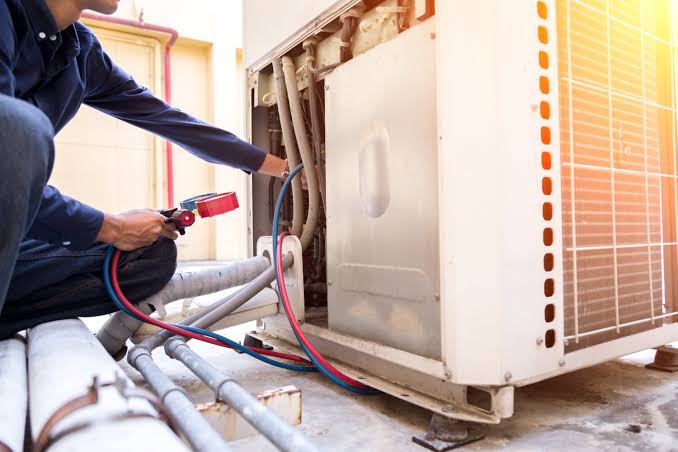
North Texas heat pushes air conditioners to the limit. Long run times, scorching attic temperatures, and dust can turn a small issue into a midsummer loss of cooling. Cleburne homeowners need to know which problems deserve a quick home check and which point to faults in the refrigerant circuit, blower assembly, or controls. This guide focuses on specific symptoms you can verify in minutes, what those signs often mean inside the system, safe first steps, and two realistic scenarios you are likely to face as temperatures rise.
-
Early AC Warning Signs You Can Verify in Minutes
Start with what you can feel and hear. If the air from a supply vent is only a few degrees cooler than the room, cooling performance may be compromised. Low airflow at distant registers can indicate a clogged filter or a frozen evaporator coil. Short cycling, in which the system starts and stops within a few minutes, often points to electrical or airflow problems. In Cleburne, demand for HVAC repair in Cleburne often increases when systems short cycle or blow warm air, so responding to these early warning signs can help prevent a more serious failure.
Listen to the outdoor condenser, too. A loud buzzing sound without the fan spinning may indicate a weak or failed capacitor. A grinding or rattling fan can point to a failing motor or debris caught near the fan assembly. Indoors, musty odors or water near the air handler may indicate a clogged condensate drain or an overflowing drain pan. If indoor humidity rises even while the thermostat is calling for cooling, the evaporator coil may be freezing, or the blower may not be moving enough air.
-
What Those Symptoms Often Mean Inside the System
Many cooling problems begin with restricted airflow. A dirty one-inch pleated filter or a heavily soiled evaporator coil can prevent the system from moving the amount of air it was designed to handle. When airflow drops too far, the evaporator coil temperature may fall below freezing, causing frost to form on the copper suction line. As the ice builds, airflow becomes even more restricted. This restriction can increase static pressure in the duct system, strain the blower motor, and interfere with normal system operation.
In other cases, the refrigerant circuit may be responsible. A refrigerant leak can reduce suction pressure, causing the evaporator to become excessively cold and eventually freeze. Adding refrigerant without locating and repairing the leak does not address the underlying problem and may cause further system damage. Electrical faults can create different symptoms. A failed capacitor may leave the compressor or fan motor humming without starting, while a damaged contactor can cause intermittent operation or repeated breaker trips. Drainage problems are also common. Dust, algae, and debris can block the condensate drain, causing a float switch to open the low-voltage circuit and shut down the system even though electrical power is still available.
-
Smart Checks Before You Call a Technician Without Taking Unnecessary Risks
Start with basic checks you can do safely. Replace the air filter with a clean one and make sure it is installed in the correct direction. A MERV rating between 8 and 11 often provides a reasonable balance between filtration and airflow for many residential systems, although equipment requirements vary. Confirm the thermostat is set to Cool and that a schedule or temporary override isn’t preventing operation. Replace the thermostat batteries if needed. If a breaker has tripped, turn the thermostat to Off, reset the breaker once, and wait about five minutes before turning the cooling system back on.
Outside, remove grass clippings, leaves, and other debris from around the condenser and maintain adequate clearance around the cabinet. If the outdoor coil needs rinsing, shut off power to the unit first and use gentle water pressure to avoid damaging the fins. Know when to stop troubleshooting. Do not open electrical compartments, test capacitors, or attempt to add refrigerant yourself. Repeatedly resetting a breaker can damage equipment and create a safety risk. Never chip or scrape ice from a frozen evaporator coil. Instead, turn cooling off and set the thermostat fan to On so the coil can thaw naturally. If water begins collecting in the secondary drain pan or you notice rust and signs of previous overflow, schedule professional service.
-
Two Real World Cleburne Scenarios and the Safest Response
After a thunderstorm, the outdoor unit may begin humming while the condenser fan remains still and indoor temperatures start to rise. Turn the thermostat to Off, wait about five minutes, and reset one breaker only if it has tripped. If the condenser fan still does not run and you continue to hear a steady humming sound, the system may have a failed capacitor, damaged contactor, or malfunctioning fan motor. Do not try to push the fan blades by hand. Leave the system off to reduce the risk of compressor overheating and have a licensed technician inspect the electrical components and motor.
Another common situation occurs during the hottest part of the afternoon. Supply vents begin blowing lukewarm air, and the larger insulated copper line near the indoor unit becomes covered with ice. Turn cooling off and set the fan to On to allow the coil to thaw. Replace a dirty filter and make sure supply registers and return grilles are open and unobstructed. Once the ice has completely melted and normal airflow has returned, you can restart the cooling system. If frost returns quickly or indoor humidity stays unusually high, the system may have a refrigerant leak, a dirty evaporator coil, a blower problem, or another serious airflow restriction. Continuing to operate a frozen system can cause condensate overflow and property damage.
Preventive Steps That Reduce Summer Breakdowns in North Texas Attics
Simple maintenance can reduce the chance of failure when prolonged summer heat arrives. Replace filters at appropriate intervals based on household dust, pets, filter type, and system use. Keep plants and debris away from the outdoor condenser and gently clean the exterior coil when needed after disconnecting electrical power. During professional maintenance, a technician can inspect the evaporator coil, blower assembly, electrical components, condensate system, and refrigerant performance. Refrigerant testing may include measurements such as superheat and subcooling when appropriate for the equipment and metering device.
Also consider airflow trade-offs. Higher MERV filters can capture smaller particles, but some restrictive filters can create excessive pressure drop when installed in narrow one-inch filter racks. Homeowners seeking improved filtration may benefit from discussing a deeper media cabinet that provides greater surface area while maintaining acceptable airflow. Avoid closing multiple supply registers to redirect conditioned air to certain rooms. Doing so can increase static pressure, reduce airflow, increase duct leakage, and contribute to evaporator coil freezing. If comfort problems continue, have a professional inspect the duct system for leaks, crushed flexible duct, poor connections, damaged insulation, and missing mastic, especially in hot attic spaces.
Learning the warning signs of common HVAC problems can make it easier to decide what you can safely check, when to shut down the system, and when professional service is appropriate. Simple actions such as replacing a clogged filter, checking condenser airflow, or allowing a frozen coil to thaw can sometimes stabilize the situation. However, persistent short cycling, repeated breaker trips, outdoor buzzing without fan operation, water near the air handler, or ice that returns after a complete thaw are strong reasons to contact a licensed HVAC technician. Addressing these problems early can help protect the compressor, reduce the risk of water damage, and keep a Cleburne home more comfortable during periods of extreme heat.

