

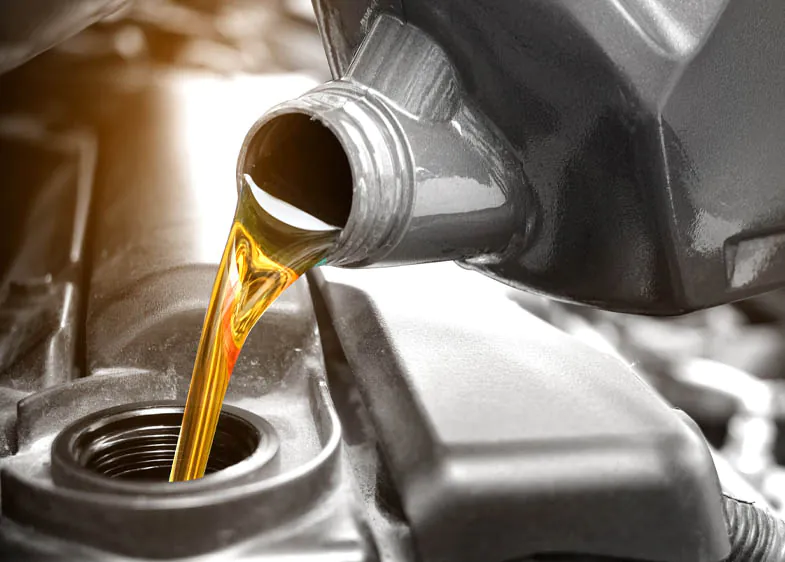
In industrial processing, fluids drive production. From thermal oils and hydraulic media to caustic cleaners, these liquids transfer energy, lubricate assemblies, and power complex reactions. Yet, maintenance teams often take fluid and equipment compatibility for granted.
Assuming piping, valves, and pumps can handle any standard industrial fluid is an expensive mistake. When fluids react negatively with internal components, the results are swift: degraded seals, corroded impellers, clogged lines, and unscheduled shutdowns.
Fluid compatibility is more than a chemical resistance chart; it involves temperature dynamics, pressure fluctuations, and material science. Understanding why fluid compatibility matters ensures your facility maintains operational safety, controls costs, and maximizes equipment lifespan.
1. Chemical Attack and Corrosion: How Incompatible Media Erode Metals
Quick Answer: Incompatible process fluids trigger electrochemical reactions that strip protective oxide layers from metals, causing pitting, stress cracking, and wall thinning.
Metals rely on passive surface films to resist chemical breakdown. When an aggressive or mismatched chemical flows through carbon steel or standard stainless steel, that protective boundary disintegrates.
Different fluids induce distinct metallurgical failures:
- Pitting and Crevice Corrosion: Halides and acids penetrate surface imperfections, drilling holes through valve bodies and pump casings.
- Galvanic Reactions: Conducting fluids bridge dissimilar metals within piping junctions, accelerating corrosion on less noble alloys.
- Stress Corrosion Cracking: Reactive chemicals combined with mechanical pressure cause structural alloys to crack without warning.
2. Elastomer Breakdown: The Primary Cause of Premature Leaks
Quick Answer: Incompatible fluids cause elastomers to swell, harden, soften, or crack, destroying mechanical seal integrity and leading to hazardous fluid leaks.
While metallic components resist incompatible fluids for weeks, non-metallic parts fail quickly. O-rings, gaskets, and seal faces are uniquely vulnerable to chemical attack.
Understanding elastomer degradation in pump seals prevents unexpected blowouts:
- Volume Swelling: Solvents and hydrocarbons penetrate polymer matrices, causing O-rings to expand and extrude from glands.
- Hardening and Embrittlement: Oxidizing acids and hot media leach plasticizers, turning gaskets brittle and prone to cracking.
- Chemical Dissolution: Using basic Nitrile (Buna-N) seals with aggressive ketones dissolves polymer bonds, melting the seal into the fluid.
3. High-Temperature Dynamics and Thermal Fluid Demands
Quick Answer: Elevated temperatures accelerate chemical reactions, requiring specialized pumps, robust metallurgy, and seal designs that withstand thermal oil oxidation.
Fluid compatibility becomes significantly more complex at elevated temperatures. As fluid temperatures climb toward 300°C (572°F), corrosion rates accelerate exponentially. Furthermore, heat transfer oils undergo thermal cracking and oxidation if exposed to hotspots or air.
Pumping hot fluids requires equipment engineered for thermal loads. Partnering with a reputable hot oil pumps manufacturer ensures pump casings, containment shells, and bearings use temperature-rated ductile iron, cast steel, or Hastelloy. Purpose-built thermal fluid pumps eliminate dynamic shaft seals in favor of magnetic drives, preventing hot vapor leaks and avoiding air ingress that degrades fluid chemistry.
4. Viscosity Shifts and Hydraulic Efficiency Losses
Quick Answer: Using fluids with incompatible viscosity profiles causes motor overloads, severe friction losses, or fluid cavitation that erodes pump impellers.
Compatibility extends beyond chemical inertness to physical properties. Pumping systems are engineered around specific viscosity parameters.
Operational hazards of viscosity mismatches:
- Excessive Viscosity: Pumping fluids more viscous than design limits causes high friction head, excessive motor draw, and thermal trips.
- Insufficient Viscosity: Low-viscosity fluids fail to generate an adequate lubricating film across pump bearings and seal faces, causing dry-running.
- Cavitation Risks: Volatile fluids flash into vapor bubbles under low suction pressure, collapsing violently against impellers and pitting metal surfaces.
5. Material Compatibility Matrix for Industrial Systems
| Fluid Type | Compatible Metals | Recommended Elastomers | Incompatible Materials |
| Thermal Oils | Ductile iron, cast steel, 316 SS | Graphite, FFKM, PTFE | Buna-N, EPDM, copper alloys |
| Industrial Acids | Hastelloy C, Alloy 20, PVDF | FKM (Viton), PTFE, FFKM | Carbon steel, 304 SS, aluminum |
| Hydraulic Glycols | Carbon steel, ductile iron | EPDM, PTFE | Standard Nitrile, silicone |
| Caustic Alkalis | Nickel alloys, 316 SS, cast iron | EPDM, PTFE, Neoprene | Aluminum, brass, bronze, Viton |
6. Proactive Protocol for Ensuring Fluid Compatibility
Quick Answer: Follow a structured evaluation process that reviews chemical SDS sheets, temperature-derated compatibility charts, and elastomer certifications before commissioning.
Preventing fluid-induced failures requires an organized protocol. Referring to an industrial fluid compatibility guide during system design helps avoid costly retrofits.
Key steps for plant engineers:
- Review Detailed SDS Data: Verify process compositions, including trace additives, dissolved gases, and solvents.
- Derate Materials for Peak Temperature: Evaluate chemical resistance at maximum operating temperatures, not baseline ambient levels.
- Standardize Flush Procedures: Before introducing new media, run certified flushing agents to remove residual fluids.
- Schedule Thermal Audits: For closed-loop heat transfer systems, incorporate fluid sampling as part of regular thermal fluid system maintenance to catch degradation early.
Frequently Asked Questions
Why does a fluid compatible at room temperature fail at higher temperatures?
Chemical reaction rates typically double with every 10°C (18°F) rise in temperature. Heat softens polymers and accelerates oxidation, turning mild liquids into aggressive corrosives.
What are early symptoms of fluid incompatibility inside an operating pump?
Early signs include localized discoloration, dislodged seal debris in strainers, weeping at seal glands, elevated motor amperage, and unusual vibration patterns.
Fluid compatibility is the foundation of industrial reliability. When piping, valves, and pumps are mismatched to process chemistry, costs multiply across lost production, seal blowouts, and hazardous leaks.
By analyzing chemical compositions, accounting for high-temperature fluid dynamics, selecting specialized equipment engineered for thermal fluids, and monitoring elastomer integrity, maintenance leaders eliminate preventable failures. Taking a proactive approach to fluid compatibility protects personnel, preserves capital assets, and keeps operations running smoothly.

