
Maintaining a comfortable indoor environment requires more than simply changing the thermostat whenever the weather becomes warmer or colder. A well-managed climate control system depends on appropriate equipment, effective airflow, proper insulation, regular maintenance, and responsible daily operation. Heating and cooling systems can consume a considerable amount of energy when they are poorly maintained or operated inefficiently, while small problems can gradually develop into expensive repairs. Understanding how these systems work and learning practical ways to improve their performance can help property owners maintain more consistent temperatures, reduce unnecessary energy consumption, and protect their equipment. A thoughtful approach to indoor comfort also supports reliable operation throughout changing seasonal demands.
Understanding Indoor Temperature Management
Indoor temperature is influenced by several factors, including outdoor conditions, insulation, windows, building size, occupancy, ventilation, and equipment performance. A thermostat only controls the system based on the temperature it detects, so other building conditions can significantly affect comfort. Heating and cooling equipment must have enough capacity to meet the building’s requirements without being excessively large or undersized. Systems that are too small may struggle during periods of extreme temperatures, while oversized equipment may cycle too frequently. Understanding these factors helps property owners make better decisions about maintenance, equipment selection, thermostat settings, and improvements that can create a more stable indoor environment.
Choosing Properly Sized Equipment
Equipment sizing is one of the most important considerations when installing or replacing a climate control system. Selecting equipment based only on the size of a building may not provide an accurate result because insulation, window placement, ceiling height, occupancy, and other characteristics influence actual heating and cooling demand. An oversized system may reach the thermostat setting quickly and shut off before completing a proper operating cycle, while an undersized system may run continuously without maintaining the desired temperature. Professional load calculations can provide a more appropriate basis for equipment selection. Evaluating specific heating and cooling demands ensures that new systems maintain stable temperature control without excessive cycling. Working with a dedicated provider like Custom Air Conditioning and Heating Co allows property owners to select system configurations tailored to their building footprint, helping reduce unnecessary mechanical wear while keeping long-term operational costs predictable throughout every season. Proper sizing helps improve comfort, efficiency, humidity management, and long-term system performance while reducing unnecessary mechanical stress.
Keeping Air Filters Clean
Air filters play a basic but important role in maintaining effective system operation. They capture dust, hair, dirt, and other airborne particles before air moves through the equipment. As a filter becomes increasingly dirty, airflow can become restricted and the system may need to work harder to move conditioned air. Restricted airflow can affect comfort, increase operating time, and place additional stress on fans and other components. Property owners should check filters regularly and replace or clean them according to the manufacturer’s recommendations and the type of filter being used. Homes with pets, high occupancy, construction activity, or dusty conditions may require more frequent attention to maintain appropriate airflow.
Improving Airflow Throughout the Building
Airflow has a direct relationship with temperature consistency and equipment performance. Supply registers and return-air openings should remain unobstructed so that conditioned air can circulate properly. Furniture, curtains, storage containers, and other objects placed over vents can interfere with air distribution and create uneven temperatures between rooms. Ductwork can also affect airflow when it contains leaks, restrictions, disconnected sections, or damaged insulation. During heating and cooling operation, rooms that remain consistently warmer or colder than others may indicate an airflow or building-envelope problem. Addressing these issues can help conditioned air reach the areas where it is needed and reduce the need for excessive system operation.
Using the Thermostat Wisely
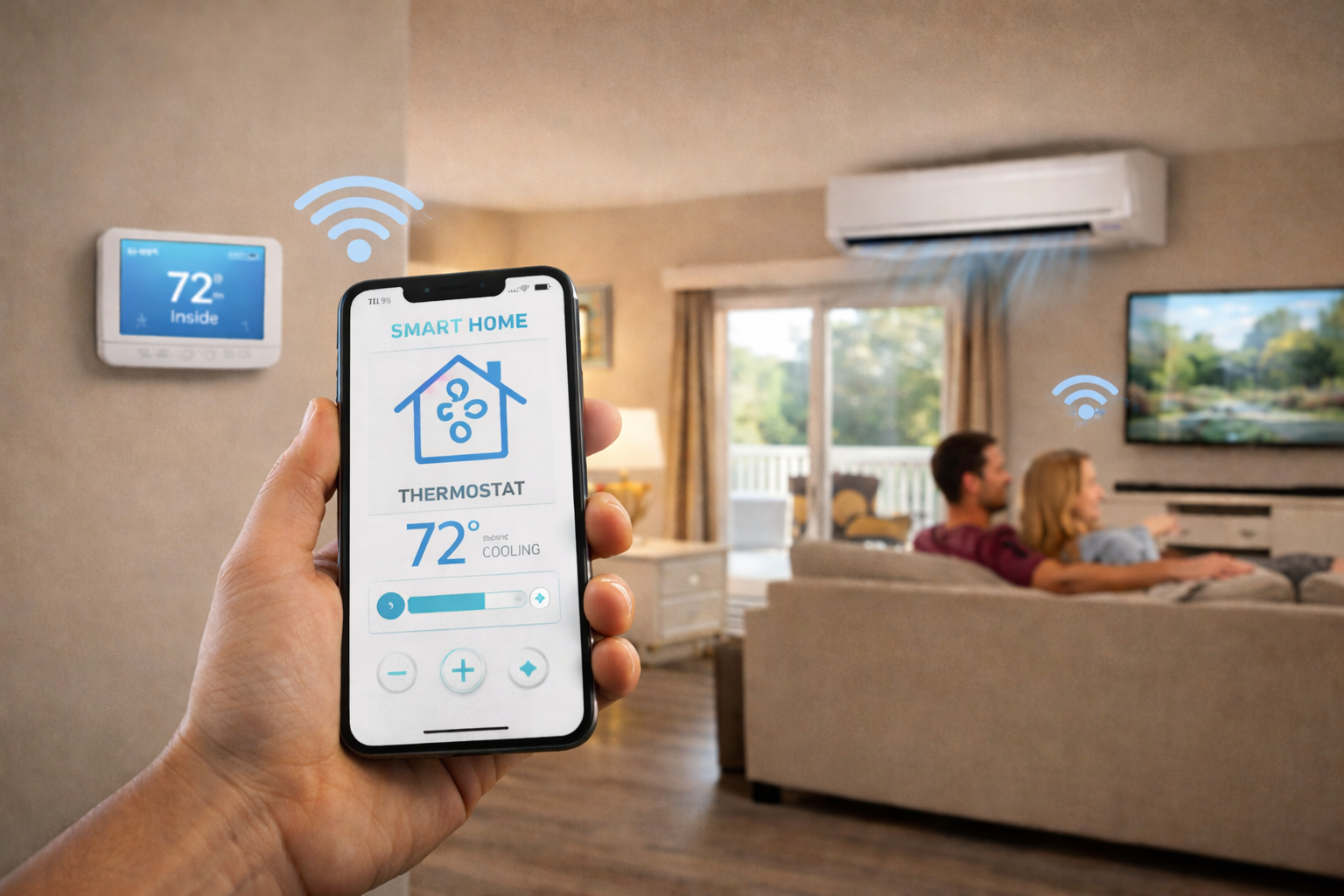
The thermostat determines when many climate control systems start and stop, making its settings an important part of energy management. Constantly making large temperature adjustments can sometimes cause the equipment to operate for extended periods while trying to reach a new setting. Programmable and smart thermostats can help automate temperature schedules based on occupancy and daily routines. The thermostat should also be positioned away from direct sunlight, drafts, appliances, and other sources of unusual heat or cold. Appropriate temperature settings should focus on reasonable comfort rather than extreme differences from outdoor conditions. Using the thermostat consistently can help reduce unnecessary operation while maintaining a comfortable indoor environment. Upgrading to a modern control system can also significantly enhance how efficiently a home regulates temperature throughout the day. Proper thermostat installation ensures that sensors accurately measure ambient conditions and communicate effectively with heating and cooling units. When placed correctly away from drafts and heat sources, an updated control unit helps prevent frequent system cycling and supports more consistent energy savings year-round.
Maintaining Outdoor Equipment
Outdoor HVAC components require adequate space and airflow to operate properly. Leaves, grass clippings, dirt, branches, and other debris can collect around outdoor units and restrict the movement of air. Property owners should keep the surrounding area clear and avoid placing storage items or landscaping materials directly against the equipment. Visual inspections can identify obvious obstructions, while professional maintenance can address internal dirt and mechanical concerns. During heating and cooling operation, restricted outdoor airflow may reduce system efficiency and increase stress on components. Keeping outdoor equipment accessible and reasonably clean is a simple maintenance practice that can support reliable operation and help prevent avoidable performance problems.
Maintaining Ductwork and Air Distribution
Ductwork is responsible for carrying conditioned air from central equipment to different areas of a building. Leaks, loose connections, damaged insulation, crushed sections, and poorly designed pathways can reduce the amount of air that reaches occupied rooms. These problems can result in temperature differences and may cause the HVAC system to operate longer than necessary. Professional inspection can help identify duct problems that are not immediately visible. Sealing appropriate leaks and correcting damaged sections can improve air distribution and reduce unnecessary losses. Effective ductwork allows the system to deliver conditioned air more efficiently, helping maintain balanced temperatures while reducing the workload placed on heating and cooling equipment.
Managing Indoor Humidity
Comfort depends on humidity as well as temperature. Excessive moisture can make warm indoor conditions feel uncomfortable, while very dry air can make cooler conditions feel harsher. Cooling equipment naturally removes some moisture during operation, but additional humidity control may sometimes be necessary. Bathrooms, kitchens, laundry areas, and other moisture-producing spaces should have appropriate ventilation. Building leaks and condensation should also be addressed promptly because persistent moisture can create additional problems. Balanced humidity can make indoor temperatures feel more comfortable and may allow property owners to use moderate thermostat settings instead of relying on extreme temperature adjustments. Moisture management is therefore an important part of an effective indoor comfort strategy.
Scheduling Regular Maintenance
Regular professional maintenance helps identify developing problems before they become major failures. Depending on the equipment, maintenance may include inspecting filters, coils, electrical connections, motors, controls, drainage systems, airflow, and other important components. Before periods of heavy seasonal demand, professional inspections can provide an opportunity to address worn or malfunctioning parts. Heating and cooling systems that receive consistent preventive attention are generally easier to monitor than systems that are only serviced after a breakdown occurs. Maintenance records can also help property owners understand equipment conditions and identify recurring problems. A regular maintenance schedule supports reliability, efficiency, and better long-term planning for repairs or eventual replacement.
Improving Energy Efficiency
Energy efficiency depends on both equipment condition and building performance. Dirty filters, blocked airflow, damaged ductwork, poor insulation, malfunctioning thermostats, and worn components can all cause a system to operate longer than necessary. Property owners can improve efficiency by combining regular maintenance with sensible thermostat settings and building improvements. Sealing appropriate air leaks, improving insulation, and keeping doors and windows in good condition can reduce the amount of conditioned air lost from the building. Heating and cooling equipment should not have to compensate for preventable building deficiencies. A comprehensive efficiency strategy considers the equipment and the building as one connected system rather than focusing on a single component.
Recognizing Early Warning Signs
Changes in normal HVAC operation should receive attention rather than being ignored. Unusual noises, strange odors, weak airflow, frequent cycling, water around equipment, inconsistent temperatures, and unexplained increases in energy use can indicate developing problems. Some issues may be relatively simple, such as a dirty filter, while others can involve electrical, mechanical, refrigerant, drainage, or control components. Identifying problems early can provide more opportunities for manageable repairs before the system experiences a complete failure. Property owners should document unusual behavior and contact a qualified technician when symptoms continue. Monitoring performance throughout the year makes it easier to recognize when the system is no longer operating as expected.
Preparing for Seasonal Demand
Climate control equipment often operates under its greatest workload during periods of extreme temperatures. Preparing equipment before these periods can help reduce the risk of unexpected problems. Before a cooling season, appropriate checks may include filters, coils, condensate drainage, outdoor components, electrical connections, and airflow. Before a heating season, technicians may inspect filters, burners, ignition components, heat exchangers, controls, and safety devices depending on the equipment type. Seasonal preparation allows developing problems to be addressed before the equipment is required to operate for extended periods. Regional climate variations can also influence how hard heating and cooling equipment works throughout the year. In humid areas such as Hampton, SC, consistent seasonal checkups are especially helpful for keeping systems running smoothly during periods of prolonged heat and humidity. Regular maintenance helps address minor wear before extreme weather puts extra stress on key components. Preparing heating equipment before cold weather arrives helps prevent sudden operational issues when temperatures drop. Professional inspections can catch worn igniters, faulty sensors, or clogged burners that lower efficiency. For homeowners in colder climates, addressing minor heating issues early through timely furnace repair richmond ensures consistent warmth throughout the winter while avoiding unexpected system shutdowns during peak usage. Property owners can also review thermostat schedules and make sure vents and return-air pathways remain unobstructed.
Supporting Better Indoor Air Conditions
Climate control equipment circulates large amounts of indoor air, so its condition can influence the overall indoor environment. Dirty filters, accumulated dust, restricted airflow, and poorly maintained components can affect how effectively air moves through occupied areas. Regular filter replacement, appropriate cleaning, ventilation, and moisture management can complement professional equipment maintenance. Heating and cooling systems should therefore be viewed as part of a broader indoor environmental strategy rather than as devices that only control temperature. Maintaining clean components and suitable airflow can help create a more comfortable environment while allowing the system to operate under more appropriate conditions.
Improving Building Insulation
The condition of a building envelope has a major influence on HVAC performance. Poor insulation allows heat to move through walls, ceilings, roofs, and other surfaces more easily, increasing the amount of work required from climate control equipment. Air leaks around doors, windows, and other openings can create additional temperature fluctuations. Improving insulation and sealing suitable gaps can help stabilize indoor temperatures and reduce energy losses. Property owners should consider these building improvements when persistent comfort problems continue despite properly functioning equipment. Heating and cooling systems perform more effectively when the building itself is designed and maintained to retain conditioned air.
Balancing Temperatures Between Rooms
Temperature differences between rooms can result from several factors. Some areas may receive more sunlight, while others may have exterior walls, different insulation levels, or fewer supply registers. Duct restrictions and poor return-air pathways can also affect individual rooms. Simply lowering or raising the thermostat may not solve the underlying issue. Instead, property owners should consider airflow, insulation, ductwork, thermostat location, and equipment capacity when investigating persistent differences. Professional evaluation can help determine whether the problem originates from the HVAC system or the building itself. Addressing the underlying cause can improve comfort without requiring the entire system to operate excessively.
Extending Equipment Service Life
HVAC equipment represents a substantial investment, making long-term care an important consideration. Normal aging cannot be avoided, but excessive strain caused by poor maintenance, restricted airflow, dirty components, and improper operation can accelerate wear. Regular inspections and timely repairs can help keep components working under more suitable conditions. Property owners should also avoid ignoring minor warning signs because a small mechanical or electrical issue can sometimes affect other components if it remains unresolved. Heating and cooling equipment that receives appropriate care may provide reliable service for many years, although actual service life depends on equipment quality, usage, environment, installation, and maintenance.
Making Informed Repair Decisions
When an HVAC system develops a problem, replacement is not always the only option. Some concerns can be addressed through cleaning, adjustment, component replacement, electrical repair, airflow correction, or thermostat service. A qualified technician can evaluate the system and explain the available choices. However, older equipment with frequent breakdowns, declining efficiency, or expensive repairs may eventually become less practical to maintain. Property owners should consider equipment age, repair history, operating costs, performance, and expected future reliability when making decisions. A thoughtful approach can prevent unnecessary replacement while also avoiding continued investment in equipment that has reached the end of its practical service life.
Choosing Professional Service
Routine homeowner tasks can include checking filters, keeping vents clear, observing system performance, and maintaining reasonable thermostat settings. More technical work should be handled by qualified professionals because HVAC systems can involve electrical circuits, refrigerants, combustion equipment, moving components, and other potentially hazardous parts. Professional technicians have the appropriate tools and knowledge to diagnose problems and perform equipment-specific maintenance. During heating and cooling service, they can identify conditions that may not be obvious during a basic visual inspection. Professional support is especially important when the system produces unusual sounds or odors, fails to maintain temperature, leaks water, or shows other signs of abnormal operation. Working with qualified contractors ensures that complex electrical circuits and mechanical components are handled safely during routine inspections or system repairs. Local specialists, such as Kahl AC, Heating & Electrical, offer comprehensive knowledge of regional weather patterns and household energy demands, helping homeowners maintain efficient operation and protect their equipment investment over time. Local environmental factors, such as high humidity and salt air in coastal areas, can also place unique demands on heating and cooling units over time. Working with a qualified HVAC contractor in Melbourne helps ensure that equipment is evaluated with these regional conditions in mind, supporting overall system efficiency and reducing unnecessary wear on components.
Creating a Long-Term Comfort Strategy
A long-term approach to indoor comfort should combine equipment maintenance, building improvements, responsible operation, and regular monitoring. Property owners can maintain records of filter changes, inspections, repairs, and component replacements to better understand system history. These records can help identify recurring problems and support future repair or replacement decisions. Regularly checking equipment before periods of heavy use can also reduce the possibility of unexpected interruptions. Heating and cooling systems perform best when maintenance is treated as an ongoing responsibility rather than an emergency response. A consistent strategy allows property owners to identify concerns earlier and make practical improvements that support comfort and efficiency.
Final Thoughts
Managing indoor comfort effectively requires attention to both the HVAC equipment and the building in which it operates. Proper equipment sizing, clean filters, balanced airflow, suitable thermostat settings, effective insulation, humidity control, regular maintenance, and timely repairs all contribute to dependable performance. Heating and cooling systems can operate more efficiently when property owners combine preventive care with sensible daily practices and improvements to the building envelope. Recognizing warning signs and preparing equipment before periods of heavy demand can further reduce the likelihood of unexpected problems. By taking a proactive approach to comfort management, property owners can support balanced temperatures, improve efficiency, protect equipment, and create a more reliable indoor environment throughout the year.

