

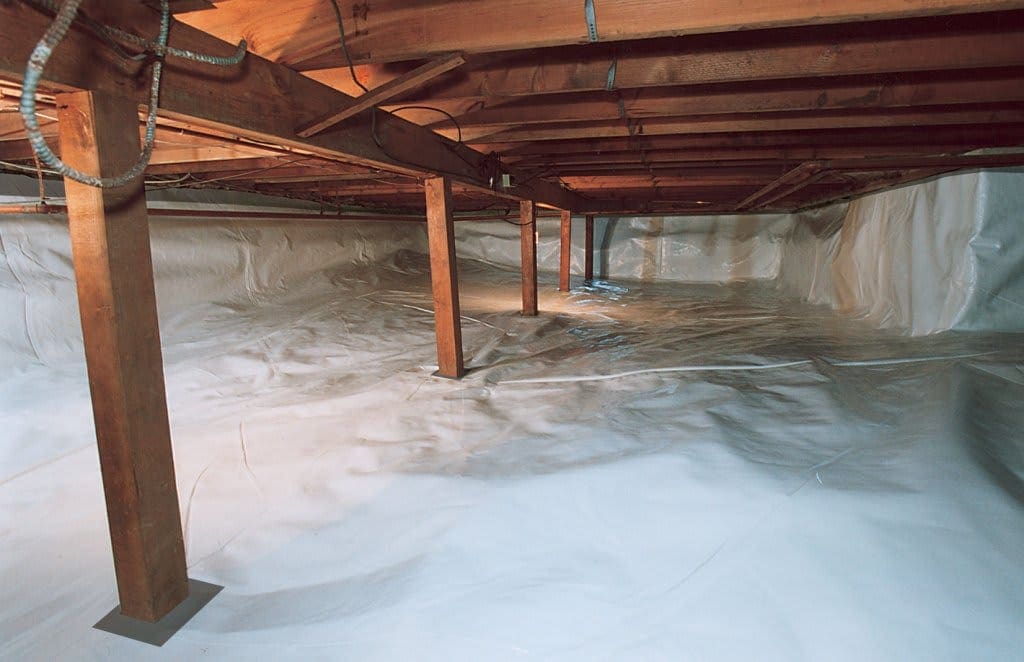
A crawlspace may be hidden beneath a home, but its condition can have an important effect on the comfort, durability, and overall environment of the property. Because crawlspaces are located below the living areas, problems involving moisture, humidity, poor ventilation, soil exposure, pests, and deteriorating materials can continue unnoticed for long periods. Excess moisture can contribute to unpleasant odors, wood deterioration, condensation, and conditions that encourage mold growth, while exposed soil can allow moisture vapor to enter the space continuously. Addressing these concerns requires more than simply placing a barrier over the ground. A comprehensive approach considers the floor, foundation walls, drainage, air movement, humidity, insulation, and other conditions that influence the crawlspace environment. Proper crawlspace encapsulations can help create a more controlled space by separating the interior environment from moisture and soil conditions while supporting better long-term moisture management.
Understanding the Purpose of a Crawlspace
A crawlspace provides access to important components located beneath a property, including plumbing lines, electrical systems, ductwork, structural supports, and other building elements. Although the space is not normally used as a living area, its condition can influence what happens above it. Moisture that accumulates underneath a building can affect wooden structural components and contribute to higher humidity throughout the lower portion of the property. In some situations, odors from the crawlspace may also move into the living areas through gaps, openings, or air pathways. This makes crawlspace maintenance an important part of broader property care rather than an isolated concern.Traditional crawlspaces may have exposed soil floors, vents in foundation walls, and limited protection against moisture vapor. While these features were common in older construction practices, they can allow outside humidity and ground moisture to enter the space. Seasonal weather changes may make these conditions more noticeable, especially when warm, humid air enters a cooler crawlspace and creates condensation on surfaces. If moisture remains present for extended periods, the environment can become increasingly difficult to control.A properly planned crawlspace improvement strategy can address these conditions by creating a physical separation between the crawlspace and sources of moisture. The goal is not simply to make the area look cleaner. It is to create a more stable environment that is easier to inspect, maintain, and protect against moisture-related deterioration.
How Moisture Enters a Crawlspace
Ground moisture is one of the most common concerns in crawlspaces. Soil naturally contains water, and moisture vapor can move upward into an uncovered crawlspace. Even when there is no standing water, the constant movement of vapor can increase humidity levels. Over time, elevated humidity may affect wood framing, insulation, ductwork, and other components located beneath the property.Rainwater can create additional problems when exterior drainage is inadequate. Gutters that overflow, downspouts that discharge too close to foundation walls, poor grading, and drainage problems can allow water to move toward the crawlspace. Water may then enter through foundation cracks, joints, or other vulnerable areas. Addressing these exterior conditions can be an important part of protecting the crawlspace because an interior barrier alone may not solve the problem if water continues to enter from outside.Plumbing leaks can also contribute to crawlspace moisture. A leaking supply line, drainpipe, water heater connection, or other plumbing component can introduce significant amounts of water into an otherwise dry area. Because crawlspaces are often difficult to access, these leaks may remain unnoticed until they have caused staining, odor, damp insulation, or structural deterioration. Regular inspection is therefore valuable even when there are no obvious signs of a moisture problem inside the living space.
The Importance of Controlling Humidity
Humidity control is an important consideration when improving crawlspace conditions. Moist air can affect materials even when the floor appears dry. When humidity remains elevated, condensation may form on cooler surfaces such as pipes, ducts, foundation walls, or structural components. Repeated condensation can create persistent dampness and contribute to deterioration over time.Controlling humidity generally requires understanding where moisture originates and how air moves through the space. Simply increasing ventilation is not always an effective solution because outside air can introduce additional moisture under certain conditions. A properly designed moisture-control strategy can reduce the amount of humid air entering the crawlspace while helping maintain more consistent interior conditions.Humidity management can also support the performance of insulation and other building materials. Damp insulation may lose effectiveness and can become difficult to maintain. Wood components exposed to persistent moisture may also require additional attention. By creating a more controlled environment, homeowners can make it easier to monitor these materials and respond to problems before they become extensive.
What Encapsulation Can Include
A complete crawlspace improvement project can involve several components rather than a single material. A durable vapor barrier may be installed across the ground surface to reduce moisture movement from the soil. Depending on the structure and existing conditions, the barrier may also be extended along foundation walls and carefully sealed around penetrations, seams, support structures, and other areas where moisture or air could pass through.The exact design should be based on the condition of the crawlspace. Some properties may require drainage improvements before a vapor barrier is installed, while others may need repairs to foundation walls or plumbing systems. If standing water is present, the source must be addressed rather than simply covering the affected area. Encapsulation should be viewed as part of a broader moisture-management strategy that works with drainage and structural conditions.Access points should also be considered. A crawlspace door or access opening that is poorly sealed can allow outside air and moisture to enter. Properly addressing the access area can help maintain the controlled environment created within the crawlspace. Similar attention may be needed around pipes, wiring, vents, columns, and other penetrations.
Protecting Structural Components
One of the most important reasons to maintain a dry crawlspace is to protect structural components. Wooden beams, joists, posts, and subfloor materials may be exposed to crawlspace conditions for many years. Persistent moisture can contribute to deterioration and create conditions that make the materials more vulnerable to damage.A moisture-controlled crawlspace can make it easier to monitor these components. During inspections, homeowners or professionals can look for staining, soft areas, unusual odors, visible deterioration, or other changes. If a problem is identified, addressing it early may help prevent more extensive damage.It is important to recognize that encapsulation does not automatically repair structural deterioration that already exists. If moisture has caused damage before the project begins, those materials may require separate evaluation and repair. The crawlspace should therefore be inspected before work begins so that existing problems can be identified and addressed appropriately.
Improving Air Quality Conditions
The condition of a crawlspace can influence the environment inside the property because air can move between different parts of a building. Gaps around plumbing, wiring, ducts, flooring, and other openings can provide pathways for air from the crawlspace to enter the living areas. If the crawlspace contains excessive moisture, musty odors, or other unwanted conditions, those issues may affect the indoor environment.Reducing moisture exposure can help create a cleaner and more controlled lower-level environment. Sealing appropriate areas and limiting unnecessary air movement can also support more consistent humidity conditions. However, indoor air quality involves many factors, so homeowners should consider the entire building rather than expecting crawlspace improvements alone to solve every air-quality concern.Maintaining appropriate humidity levels is particularly important because excessive moisture can encourage biological growth on suitable surfaces. If visible mold or significant water damage already exists, it should be professionally evaluated rather than simply covered. Cleaning, drying, repair, and moisture control may all be necessary depending on the severity and source of the problem.
Preparing the Crawlspace Before Work
Proper preparation can make a significant difference in the long-term performance of an encapsulated crawlspace. Before installation, the area should be inspected for standing water, leaks, damaged materials, drainage concerns, pest activity, and structural issues. Any active source of moisture should be addressed so that the new moisture barrier is not installed over an unresolved problem.The ground surface may also need preparation. Large debris, sharp objects, loose materials, or other conditions that could damage the barrier should be removed. Existing insulation may require evaluation if it has become wet, damaged, or contaminated. The condition of foundation walls should also be considered because cracks and openings can provide pathways for water infiltration.Preparation is particularly important because a moisture barrier is intended to remain in place for an extended period. If unresolved problems are hidden beneath or behind the system, future access may become more difficult. Addressing known concerns before installation can therefore support better long-term performance.
Maintenance After Encapsulation
Although encapsulation can reduce moisture exposure, regular maintenance remains important. Homeowners should periodically inspect the crawlspace for signs of water intrusion, damaged barriers, condensation, unusual odors, or changes in structural components. Heavy storms can provide an opportunity to check whether exterior drainage is functioning properly and whether water is approaching the foundation.The vapor barrier should also be protected from unnecessary damage. Sharp objects, tools, construction materials, or other items placed directly against the barrier can puncture or tear it. If damage occurs, it should be repaired promptly so that moisture cannot easily bypass the protective system.Drainage equipment, sump pumps, dehumidifiers, or other moisture-control components may require routine servicing. Homeowners should follow manufacturer recommendations and professional guidance for inspection and maintenance. A crawlspace system works best when all of its components continue functioning together.
Addressing Foundation and Drainage Concerns
Crawlspace conditions are closely connected to the surrounding foundation and drainage system. If water repeatedly enters through foundation walls or collects around the property, installing a barrier without addressing the source may provide incomplete protection. Exterior drainage should therefore be reviewed when moisture problems are present.Gutters should be kept clear so that rainfall can move efficiently through the drainage system. Downspouts should discharge water away from foundation areas, while grading should encourage surface water to move away from the structure. Where necessary, professional waterproofing or drainage solutions may be considered based on the property’s specific conditions.Foundation cracks should also be evaluated when they are associated with moisture intrusion or movement. Some cracks may be minor, while others can provide pathways for water or indicate structural concerns. Professional evaluation can help determine whether sealing, waterproofing, structural repair, or another approach is appropriate.
Creating a More Controlled Lower-Level Environment
A crawlspace that is dry, clean, and accessible can be easier to maintain than one that is exposed to uncontrolled soil moisture and fluctuating humidity. A controlled environment allows homeowners to inspect plumbing, electrical components, structural supports, and other systems more easily. It can also reduce the likelihood that moisture problems will remain hidden for long periods.Professional crawlspace encapsulations can form part of a comprehensive strategy for managing ground moisture and improving the condition of the area beneath a property. When the project is designed around the actual causes of moisture, it can provide more than a visual improvement. It can establish a cleaner and more manageable environment while supporting the protection of structural components and building systems.The effectiveness of the system depends on proper installation and continued maintenance. A barrier that is poorly sealed, damaged, or installed without addressing active water problems may not provide the intended level of protection. For this reason, professional planning and careful preparation are important parts of the process.
Long-Term Benefits of Proper Crawlspace Care
Maintaining a crawlspace properly can contribute to the long-term preservation of the property. Moisture control can help protect wood components, reduce persistent dampness, and make it easier to identify developing problems. A cleaner crawlspace can also provide better access for future plumbing, electrical, insulation, and structural inspections.Homeowners may also find that a controlled crawlspace environment makes routine maintenance more straightforward. Instead of dealing with exposed soil, standing water, damaged insulation, or excessive humidity, property owners can work with a space that has been organized around moisture management and accessibility. This can be particularly valuable when the crawlspace contains important building systems that require periodic inspection.The key is to view crawlspace care as an ongoing part of property maintenance rather than a one-time project. Drainage, plumbing, foundation conditions, humidity, and the condition of the vapor barrier should all be monitored over time. Promptly addressing new concerns can help preserve the effectiveness of previous work.
Conclusion
A crawlspace may not be part of the everyday living environment, but its condition can influence the durability and comfort of the property above it. Ground moisture, humidity, drainage problems, plumbing leaks, and poor air control can create conditions that affect structural components and building materials. Addressing these concerns requires a comprehensive approach that considers both the crawlspace itself and the factors contributing to moisture entry.Professional crawlspace encapsulations can help create a more controlled environment by reducing exposure to ground moisture and limiting unwanted air movement. When combined with appropriate drainage, foundation maintenance, humidity control, and regular inspections, encapsulation can become an important part of long-term property protection. Proper preparation and ongoing maintenance are essential for preserving the system and ensuring that moisture-related concerns do not return unnoticed. By giving the crawlspace appropriate attention, homeowners can better protect the structure, improve accessibility for maintenance, and support a cleaner and more manageable environment beneath the property.

