

A properly designed water drainage system plays an important role in protecting a building from moisture-related problems, and gutters are one of the most essential parts of that system. Rainwater that falls onto a roof needs to be collected and directed away from the building in a controlled manner. Without effective drainage, water can overflow along roof edges, collect around the foundation, stain exterior walls, damage landscaping, and contribute to deterioration of roofing and structural components. Although gutters may appear to be a relatively simple part of a property, their condition and installation can have a direct impact on the long-term performance of the entire exterior. Well-maintained gutters help control the movement of rainwater and reduce unnecessary exposure to moisture. Property owners who understand the importance of drainage can take proactive steps to keep their roofing and exterior systems in better condition. Professional installation, routine inspections, cleaning, and timely repairs can all contribute to a more dependable drainage solution.
Understanding the Purpose of a Gutter System
The primary purpose of gutters is to collect rainwater as it moves off the roof and direct it toward suitable discharge points. Without gutters, water may fall directly from roof edges and accumulate beside exterior walls or around the foundation. Over time, repeated exposure to concentrated water can contribute to soil erosion, basement or crawlspace moisture, foundation concerns, staining, and damage to landscaping. A properly functioning drainage system distributes and redirects water away from vulnerable areas. Gutters also help protect fascia boards and roof edges by limiting the amount of water that remains against these components. When designed and installed correctly, they work together with downspouts and other drainage elements to create a controlled path for rainwater. This is particularly important during periods of heavy rainfall when a large amount of water can move across the roof in a short period. Maintaining an effective drainage system is therefore an important part of broader roof and exterior maintenance.
Why Proper Gutter Installation Matters
The effectiveness of a gutter depends heavily on how it is installed. Gutters need appropriate slope so that water can move toward downspouts instead of remaining stagnant in sections of the channel. They must also be securely attached to the fascia or supporting structure to prevent sagging and separation. Downspouts should be positioned where they can efficiently carry water away from the building, and connections should be properly secured to reduce the possibility of leaks. Poor installation can cause water to overflow, collect in low areas, or escape through poorly connected sections. Over time, these issues may affect the roof edge, siding, foundation, and surrounding landscape. Professional installation helps ensure that the drainage system is designed around the roof size, building layout, water flow, and existing exterior components. A carefully installed system can provide more reliable performance and reduce the need for repeated adjustments or repairs.
Protecting the Foundation From Excess Water
One of the most important reasons to maintain functional gutters is to protect the foundation from concentrated water exposure. When rainwater falls directly beside a building, it can gradually saturate the surrounding soil. During repeated rainfall, this moisture may move toward the foundation and create conditions that contribute to dampness or water intrusion. Properly positioned downspouts help redirect water away from the structure and reduce the amount of rainfall that accumulates near foundation walls. The discharge area should be planned carefully so that water does not simply collect a short distance away from the building. Extensions, drainage solutions, or other methods may be used depending on the property and site conditions. Although gutters cannot prevent every foundation problem, effective roof drainage can reduce one common source of excessive water around the exterior. Maintaining clear channels and functional downspouts is therefore an important part of protecting the lower portion of a property.
Preventing Roof Edge and Fascia Damage
Roof edges and fascia boards are regularly exposed to weather, but damaged or poorly functioning gutters can increase that exposure significantly. When gutters become clogged, water may overflow over the sides and remain against fascia boards or other exterior components. Persistent moisture can contribute to staining, deterioration, peeling finishes, and weakening of wooden materials. Loose gutters can create additional stress because they may pull away from the roof edge when filled with water or debris. In some cases, improperly positioned gutters can also interfere with the flow of water coming from the roof. Regular inspection can help identify sagging sections, loose fasteners, damaged joints, or signs of water overflow before the problem becomes more extensive. When repairs are needed, addressing the gutter and the supporting fascia together can provide a more complete solution. A drainage system should work with the roof rather than create additional points of vulnerability along the roof edge.
The Importance of Proper Downspout Placement
Downspouts are just as important as the horizontal gutter channels because they provide the pathway through which collected water leaves the roof edge. A gutter can be in excellent condition, but if the downspout is blocked, disconnected, undersized, or positioned incorrectly, water may still overflow. Downspouts should be installed in locations that allow them to handle the expected amount of water and direct it away from vulnerable areas. Long roof sections may require multiple downspouts to distribute water effectively, particularly when the property receives significant rainfall. Downspout extensions can also help move discharge farther away from the foundation when appropriate. During inspections, property owners should check for blockages, loose connections, dents, and visible leaks. Keeping downspouts clear is one of the simplest ways to support proper drainage, but it is often overlooked until water begins overflowing from the gutters.
Maintaining Clean and Functional Gutters
Debris accumulation is one of the most common causes of gutter problems. Leaves, twigs, dirt, roof granules, and other materials can gradually build up inside the channels and restrict water flow. When debris blocks the path to a downspout, water may accumulate inside the gutter and eventually overflow. Heavy debris can also add unnecessary weight to the system and place stress on hangers and fasteners. Regular cleaning can help maintain proper water flow and make it easier to identify damaged sections. The frequency of cleaning depends on the surrounding environment, roof design, vegetation, and amount of debris that reaches the roof. Properties near mature trees may require more frequent attention than buildings with limited vegetation nearby. Cleaning should also be approached safely because working at roof height can present significant risks. Professional maintenance may be appropriate when gutters are difficult to access or when the system requires repairs in addition to cleaning.
Using Gutter Guards to Reduce Debris
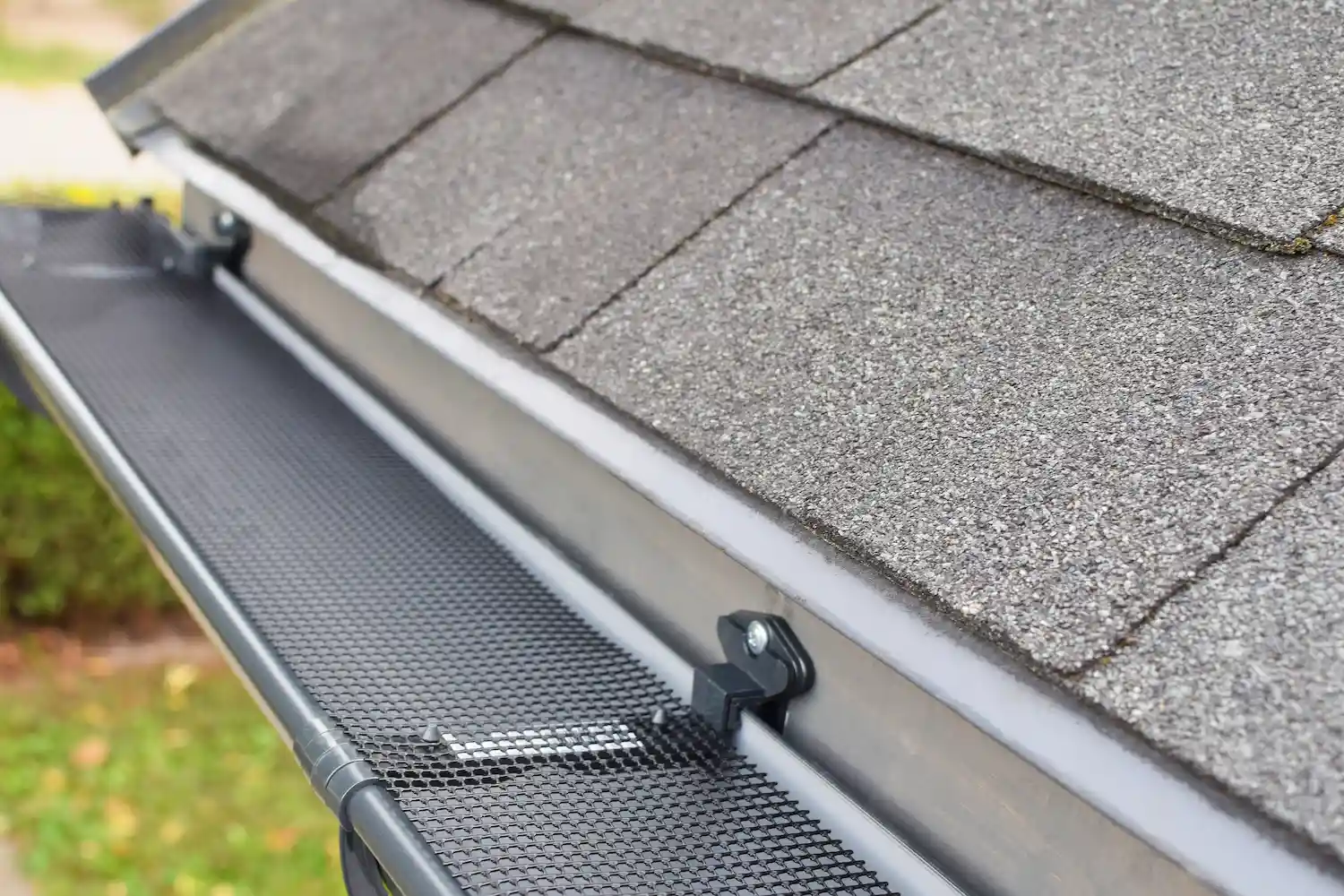
Gutter guards can provide an additional layer of protection by helping reduce the amount of leaves and larger debris that enter the drainage channels. Different types of guards are designed for different roof and gutter configurations, so selecting the right product is important. Gutter guards do not necessarily eliminate all maintenance because fine particles, roof granules, and other material may still accumulate over time. However, an appropriately selected and professionally installed guard system can reduce the frequency of heavy debris buildup and help maintain more consistent water flow. Property owners should consider the design of the existing gutters, the surrounding trees, the roof type, and the amount of rainfall before selecting a guard solution. Professional evaluation can help determine whether gutter guards are suitable and whether the existing system needs repairs or modifications before installation. The goal should be to create a drainage system that remains functional while reducing unnecessary maintenance demands.
Choosing Durable Gutter Materials
The material used for gutters can influence their appearance, durability, maintenance needs, and expected performance. Aluminum is commonly selected because it is relatively lightweight and available in various finishes. Steel can provide strength but may require greater attention to corrosion depending on the specific product and environmental exposure. Copper offers a distinctive appearance and can develop a natural patina over time, making it an option for properties where aesthetics are an important consideration. Seamless gutters can also reduce the number of joints along long sections because they are typically formed to the required length during installation. Fewer seams can mean fewer potential connection points where leaks may develop. The appropriate material depends on the property’s design, drainage requirements, maintenance preferences, and budget. A professional contractor can explain the differences between available materials and help property owners understand which option fits their specific exterior system.
How Gutter Systems Support Roof Performance
Although gutters are positioned along the lower edge of a roof, their performance can influence the condition of the roofing system itself. When rainwater is not properly controlled, it can remain around roof edges and fascia or flow unpredictably over exterior surfaces. Proper drainage helps move water away from the roof in a controlled direction, reducing unnecessary exposure to vulnerable components. Gutters should therefore be considered part of the overall roofing and exterior drainage system rather than an isolated accessory. During roof inspections, professionals can examine gutter alignment, attachment points, downspouts, fascia, soffits, and roof-edge details. If roofing work is being completed, it may be practical to evaluate related drainage components at the same time. Gikas Roofing provides roofing and gutter-related services, making it possible to consider roof protection and water management as connected parts of an exterior maintenance strategy.
Recognizing Signs of Gutter Problems
Property owners should know the warning signs that indicate a gutter system may require cleaning, repair, or replacement. Water overflowing during rainfall is one of the clearest signs of a drainage problem, but other indicators can appear before major overflow occurs. Sagging channels, separated joints, peeling paint, rust spots, water stains, damaged fascia, and loose fasteners can all suggest that the system is not performing properly. Puddles or erosion near the foundation may also indicate that downspouts are not directing water far enough away from the structure. Gutters that pull away from the roof edge may have weakened attachments or may be carrying excessive debris and standing water. Addressing these issues early can help prevent further deterioration. A professional inspection can determine whether a simple cleaning or repair is enough or whether sections of the system have reached the point where replacement would provide a more reliable solution.
When Gutter Replacement Makes Sense
Repairs are often effective when damage is limited to individual sections or connections, but replacement may become more practical when a gutter system has extensive deterioration. Repeated leaks, widespread corrosion, severe sagging, damaged channels, and failing attachment points can indicate that the existing system is no longer providing dependable performance. If the roof or fascia is also being replaced, coordinating gutter work with the larger project can help ensure that the new drainage system is properly integrated. Replacement provides an opportunity to improve gutter size, downspout placement, drainage direction, and overall appearance. It may also allow property owners to select materials or designs that better suit the building. Rather than repeatedly repairing an aging system, a carefully planned replacement can provide a more consistent long-term drainage solution.
Professional Gutter Services and Roofing Maintenance
Professional gutter systems can provide an important layer of protection for the roof, exterior walls, foundation, and surrounding property. Gikas Roofing offers gutter installation along with roofing services, soffit and fascia installation, and other exterior solutions. A professional assessment can help determine whether the current drainage system is properly sized, securely attached, correctly positioned, and capable of handling water from the roof. Professional installation can also help ensure that gutters and downspouts work together instead of treating each component separately. When gutter problems are identified during a roofing inspection, addressing them at the same time may help create a more complete exterior maintenance solution. Property owners can benefit from discussing drainage requirements, material options, gutter protection, downspout placement, and maintenance expectations before beginning a new installation or replacement project.
Seasonal Gutter Maintenance
Regular maintenance can help keep a gutter system working effectively throughout changing weather conditions. Before periods of heavy rainfall, property owners should check for visible debris, loose sections, damaged downspouts, and signs of previous overflow. After significant weather events, gutters should also be inspected for dents, separation, or damage caused by branches and debris. Seasonal cleaning can help prevent leaves and other materials from accumulating to the point where they block water flow. Downspout outlets should be checked to ensure that water has a clear path away from the building. If gutter guards are installed, they should also be inspected because guards can shift or become covered with debris over time. Maintaining the system regularly allows small issues to be addressed before they develop into larger drainage problems. A consistent maintenance schedule is generally easier and less disruptive than waiting until a gutter failure causes visible property damage.
Conclusion
Effective water management is an essential part of protecting a property, and gutters play a central role in directing rainfall away from vulnerable areas. A properly designed and maintained drainage system can help protect roof edges, fascia, exterior walls, landscaping, and the foundation from unnecessary water exposure. Regular cleaning, professional inspections, appropriate downspout placement, gutter guards, timely repairs, and suitable materials can all contribute to reliable performance. Property owners should also recognize that gutters work as part of a larger roofing and exterior system, meaning problems with one component can sometimes affect other areas of the building.Investing in properly installed gutter systems can help create a more controlled path for rainwater while supporting the long-term condition of the property’s exterior. Whether the need involves new installation, replacement, repairs, or routine maintenance, professional evaluation can help determine the most suitable approach. By keeping gutters clear, ensuring downspouts discharge water properly, monitoring roof edges, and addressing damage promptly, property owners can reduce avoidable moisture problems and maintain a more dependable drainage system for years to come.

