

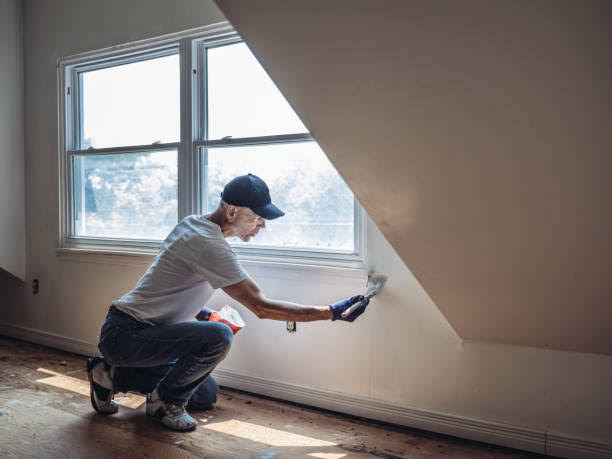
A home’s appearance is strongly influenced by the condition and color of its painted surfaces. Walls, ceilings, doors, trim, cabinets, siding, and other painted areas gradually experience wear from everyday activity, sunlight, moisture, dust, furniture movement, and changing environmental conditions. Even when a property is carefully maintained, painted surfaces can eventually become faded, stained, scratched, or outdated. Refreshing these surfaces can make rooms feel cleaner and more welcoming while giving the entire property a renewed appearance. A professional house painter can help property owners manage this process by combining proper surface preparation, suitable materials, careful application, and detailed finishing techniques. Instead of treating painting as a simple cosmetic task, a professional approach considers the condition of each surface and the practical requirements of the spaces being updated.Painting can also be an effective way to change the character of a home without making major structural alterations. A carefully selected color can make a room feel more open, create a comfortable atmosphere, highlight architectural details, or provide a stronger visual connection between different areas of the property. Exterior painting can refresh the appearance of siding, trim, doors, and other outdoor features, while interior painting can update living rooms, bedrooms, kitchens, hallways, offices, and other spaces. The success of the project depends not only on the chosen color but also on how carefully the surfaces are evaluated and prepared before the first coat is applied. A well-organized project can address existing imperfections, protect surrounding property, and produce a consistent finish that complements the home’s overall design.
Understanding the Condition of Existing Surfaces
Before beginning a painting project, it is important to understand the current condition of the surfaces that will receive the new coating. Interior walls may have dents, nail holes, stains, scuff marks, cracks, or areas where previous paint has deteriorated. Exterior surfaces may have faded coatings, peeling paint, dirt, weather-related wear, or material damage that needs attention before painting. Identifying these conditions in advance helps determine the preparation required and prevents the new coating from simply covering problems that could eventually become visible again.A detailed inspection can also help determine whether different surfaces require different preparation techniques or products. Wood, drywall, metal, masonry, siding, and previously painted surfaces do not necessarily respond to the same methods. Some areas may require sanding, scraping, filling, cleaning, or priming, while others may only need routine preparation before receiving a new coating. Understanding these differences allows the painting process to be planned more effectively and can improve the consistency and durability of the finished result.
Preparing Surfaces for Better Results
Surface preparation is one of the most important stages of any professional painting project. Paint adheres best to surfaces that are clean, stable, dry, and properly prepared. Dust, grease, loose coatings, damaged material, and other contaminants can interfere with adhesion and may contribute to premature peeling or uneven coverage. Preparing the surface may involve washing, scraping, sanding, patching, caulking, repairing minor imperfections, and applying primer when appropriate.Preparation also influences the visual quality of the finished project. Fresh paint can make imperfections more noticeable, particularly when strong lighting reaches the surface from an angle. Small holes, dents, cracks, and uneven areas can stand out against a new uniform color if they have not been addressed beforehand. Taking time to smooth and prepare these areas creates a stronger foundation for the coating and allows the final finish to appear more polished and consistent.
Choosing Colors That Complement the Home
Color selection is an important part of the painting process because it can influence the mood, character, and visual proportions of a space. Lighter colors may help create an airy feeling, while deeper shades can add warmth and visual depth. Neutral colors can provide flexibility when furniture and decorations change, while accent colors can be used to highlight architectural features or create focal points.The surrounding elements of the home should also be considered when selecting colors. Flooring, cabinetry, countertops, furniture, windows, doors, roofing, landscaping, and existing architectural materials can all affect how a particular color looks. Natural and artificial lighting can also change the appearance of paint throughout the day. Testing potential colors under the actual lighting conditions of the property can therefore be useful before making a final decision. A coordinated color plan can help different rooms and exterior features work together rather than appearing visually disconnected.
Selecting the Appropriate Paint Finish
Paint finish affects both appearance and practical performance. Different areas of a home may have different requirements based on how frequently they are used and how often the surfaces need to be cleaned. High-traffic areas such as hallways, entryways, kitchens, and family rooms may benefit from finishes that can handle regular cleaning, while ceilings and other areas may have different aesthetic and functional requirements.The finish should also be appropriate for the condition of the surface. Higher-sheen products can reflect more light and may emphasize imperfections if the surface has not been adequately prepared. Lower-sheen finishes can provide a softer appearance but may have different cleaning characteristics. A professional evaluation can help homeowners understand the available options and select products that balance the desired appearance with the practical demands of each room or surface.
Protecting Furniture, Flooring, and Fixtures
Painting inside a home requires careful preparation beyond the walls themselves. Furniture, flooring, appliances, lighting fixtures, windows, doors, and decorative items should be protected from accidental splashes, drips, and dust generated during preparation. Moving furniture away from walls can provide better access, while appropriate coverings can help protect items that remain in the room.Careful protection also contributes to a more organized and efficient work process. When floors and surrounding surfaces are properly covered, painters can focus on achieving clean edges and consistent coverage. Special attention should be given to areas around outlets, switches, windows, trim, baseboards, and other features. After the painting work is completed, the area should be inspected carefully and protective materials removed without leaving unnecessary residue or debris.
Giving Attention to Trim and Details
Trim and architectural features often have a major effect on the finished appearance of a home. Baseboards, crown molding, window frames, doors, stair components, railings, shutters, and other details can become worn or discolored over time. Refreshing these features can help create a more complete appearance and provide contrast or continuity with the main wall color.Because trim surfaces are often narrow and contain many edges, they require careful preparation and application. Existing damage may need to be repaired, while old coatings may require sanding or other preparation before a new finish is applied. Clean transitions between walls and trim can make a noticeable difference in the final appearance. Paying attention to these smaller details helps ensure that the project looks professionally completed rather than simply repainted.
Interior Painting for Everyday Living Spaces
Interior painting can transform rooms without requiring extensive remodeling. Living rooms, bedrooms, dining areas, home offices, hallways, stairways, kitchens, and other spaces can all benefit from refreshed surfaces. A new color can make an older room feel more current, while coordinated finishes can create a stronger sense of continuity throughout the home.Different rooms also have different practical requirements. Kitchens may experience grease and frequent cleaning, bathrooms may have higher humidity, and hallways may receive heavy daily traffic. These conditions should be considered when selecting products and finishes. Proper preparation is equally important because frequent-use areas are more likely to reveal scuffs, dents, stains, and other imperfections. Addressing these conditions before painting can help produce a cleaner and more durable result.
Exterior Painting and Surface Protection
The outside of a home is exposed to conditions that interior surfaces do not experience. Sunlight, rain, wind, moisture, dust, and changing temperatures can gradually affect exterior coatings and underlying materials. Faded colors, peeling paint, cracking, stains, and deteriorated surfaces can reduce the overall appearance of the property and may indicate that maintenance is needed.Exterior preparation should therefore be approached carefully. Surfaces may require cleaning, scraping, sanding, repairs, and appropriate priming before new paint is applied. Different materials, including wood, siding, metal, and masonry, can require different preparation and coating systems. Proper product selection and application can help create an attractive finish while providing an additional layer of protection against normal environmental exposure.
Working With a Professional Painting Service
Hiring an experienced house painter can provide homeowners with support throughout the complete painting process. Professional painters can evaluate surfaces, identify preparation requirements, recommend suitable products, protect surrounding areas, apply coatings consistently, and inspect the completed work. Their experience can be particularly valuable when a property contains multiple materials or surfaces that require specialized preparation.Elkhorn Painting offers painting services covering interior and exterior projects along with cabinet painting, staining, fence painting, and commercial painting. Homeowners interested in professional painting services can learn more through House Painter .Working with an established painting service can help homeowners organize the project from the initial assessment through preparation, application, cleanup, and final inspection while reducing the burden of managing every technical detail themselves.
Repairing Small Problems Before They Grow
Painting projects provide an opportunity to identify and address minor surface concerns before they become more noticeable. Small cracks, loose coatings, damaged trim, holes, and other imperfections can affect the appearance of a freshly painted surface if they are not handled beforehand. While painting itself is not a replacement for structural repairs, appropriate preparation can resolve many minor cosmetic issues that affect the final finish.Addressing these concerns before painting can also improve the overall consistency of the project. A new coating applied over a damaged or unstable surface may not perform as expected, regardless of the quality of the paint. Preparing the underlying surface creates a more reliable foundation and helps ensure that the finished coating looks smooth rather than emphasizing existing defects.
Maintaining Painted Surfaces After Completion
Once the project is finished, routine maintenance can help preserve the new appearance. Interior walls can be gently cleaned when appropriate, while high-traffic areas should be monitored for scuffs and marks. Exterior surfaces can be inspected periodically for fading, peeling, cracks, stains, or other signs of weather-related deterioration. Early attention to small problems can make future maintenance more manageable.Homeowners should also consider conditions that may affect painted surfaces. Excessive indoor humidity, persistent moisture, poor drainage, or water exposure can contribute to premature deterioration. Addressing these underlying conditions can help protect the investment made in painting. Regular cleaning and careful use of the property can further extend the visual life of painted surfaces.
Creating a Cohesive Look Throughout the Property
A home can contain many different rooms and architectural elements, and a coordinated painting plan can help create a unified appearance. This does not necessarily mean using the same color everywhere. Instead, complementary shades can be selected for connected spaces, while accent colors can be used strategically in rooms where stronger visual contrast is desired.Doors, trim, cabinets, and architectural features can also be incorporated into the overall color plan. When these elements are coordinated carefully, the property can feel more intentional and visually balanced. A professional painting project can therefore be an opportunity not only to refresh individual surfaces but also to improve the relationship between different areas of the home.
The Importance of Skilled Application
The application stage is where preparation and planning come together. Even high-quality materials can produce disappointing results when they are applied unevenly or without appropriate attention to edges, coverage, drying times, and surface conditions. Professional application techniques can help minimize visible brush marks, roller patterns, uneven coverage, drips, and other common problems.Skilled workmanship is particularly important around detailed areas such as windows, doors, trim, corners, ceilings, and architectural features. Consistent application can create cleaner transitions and a more uniform appearance throughout the project. Taking time to apply each coating properly rather than rushing through the process can contribute significantly to the quality and longevity of the finished surface.
Conclusion
A well-planned painting project can significantly improve the appearance and atmosphere of a home while giving worn or outdated surfaces a renewed finish. From evaluating existing conditions and repairing imperfections to selecting appropriate colors, protecting furnishings, preparing surfaces, and applying coatings carefully, every stage contributes to the quality of the final result. Professional workmanship can also make the process more organized and reduce the challenges associated with managing preparation, application, and cleanup independently.A skilled house painter can help homeowners transform interior and exterior spaces while paying close attention to the details that influence both appearance and durability. With suitable materials, thorough preparation, careful application, and regular maintenance, freshly painted surfaces can remain attractive and functional for an extended period. Whether the goal is to refresh a few rooms, update architectural details, or give the entire property a renewed appearance, professional painting provides a practical way to improve the home’s visual character without requiring major structural changes.

