

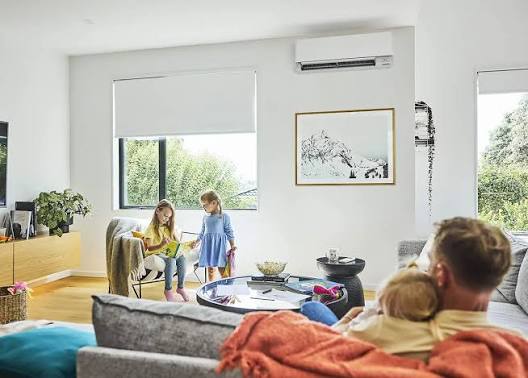
A comfortable home depends heavily on a heating and cooling system that can operate reliably through changing indoor and outdoor conditions. HVAC equipment does much more than simply raise or lower the temperature. It helps circulate air, manage humidity, maintain consistent comfort between rooms, and support a more pleasant indoor environment throughout the year. Because these systems contain electrical, mechanical, and airflow-related components that must work together, even a relatively small problem can eventually affect overall performance if it is ignored. Homeowners can protect their investment by paying attention to changes in system behavior, scheduling regular maintenance, and seeking professional assistance when problems develop. Understanding the causes of common HVAC concerns can also make it easier to recognize when professional service is appropriate and prevent minor issues from becoming more disruptive repairs.
Understanding How Residential HVAC Systems Support Comfort
Residential HVAC systems are designed to maintain indoor comfort by responding to temperature changes and household demands. Depending on the property, a system may include heating equipment, air conditioning equipment, ductwork, thermostats, filters, electrical components, fans, drainage systems, and other parts that work together to distribute conditioned air. Each component has a role in maintaining the intended indoor environment, which means a problem in one area can sometimes influence other parts of the system. For example, restricted airflow can cause equipment to operate longer than necessary, while a malfunctioning thermostat can prevent the system from responding correctly to temperature changes. Understanding this relationship helps explain why professional diagnosis is often more useful than simply replacing a visible component.The performance of an HVAC system can also be influenced by the characteristics of the home itself. Insulation, windows, doors, ductwork, room size, household occupancy, sunlight exposure, and other building conditions can affect heating and cooling requirements. As homes change through renovations or improvements, the original HVAC system may eventually need adjustments or reevaluation. A system that once provided excellent comfort may begin struggling if airflow patterns change or if equipment components age. Regular professional assessments can help homeowners understand whether the system continues to match the property’s needs and whether improvements are necessary to maintain consistent performance.
Recognizing Early Signs of HVAC Problems
Many HVAC problems provide warning signs before the equipment experiences a complete breakdown. Homeowners may notice that certain rooms are warmer or cooler than others, that airflow has become weaker, or that the system takes longer to reach the desired thermostat setting. Unusual sounds such as rattling, buzzing, grinding, clicking, or squealing can also indicate that a component requires attention. While these symptoms do not identify the exact problem by themselves, they provide valuable information that can help an HVAC professional determine where to begin the diagnostic process. Ignoring these changes may allow the underlying issue to continue developing and potentially affect additional components.Changes in system cycling can also be significant. An HVAC system that turns on and off much more frequently than usual may be experiencing a control, airflow, sizing, or equipment-related issue. Similarly, a system that runs continuously without maintaining the desired temperature may be struggling with airflow, capacity, mechanical performance, or another condition. Homeowners should also pay attention to unexplained increases in energy consumption, particularly when household usage and weather conditions have remained relatively consistent. These changes do not automatically mean that the HVAC system is responsible, but they can be useful reasons to arrange a professional evaluation.
Why Timely Professional Service Matters
Waiting until an HVAC system stops operating completely is not always the best approach to maintenance. A developing problem may place additional strain on other components as the system continues to operate under less-than-ideal conditions. For example, restricted airflow can make equipment work harder, while a failing motor or electrical component may cause repeated interruptions before eventually stopping altogether. Addressing a concern while the system is still functioning can give a technician more opportunities to identify the source of the problem and determine an appropriate solution before the situation becomes more complicated.Professional residential hvac repair involves more than simply replacing a part that appears damaged. A qualified technician can examine the symptoms, inspect relevant components, test system operation, and evaluate potential causes. This process helps ensure that the repair addresses the underlying issue rather than temporarily masking a symptom. Once the problem has been identified, homeowners can receive a clearer explanation of the recommended work and understand how the repair relates to the overall condition of the HVAC system. This type of informed approach can make HVAC maintenance more organized and predictable.
The Importance of Preventive Maintenance
Preventive maintenance is one of the most practical ways to support long-term HVAC reliability. Instead of waiting for equipment to fail, homeowners can schedule professional inspections at appropriate intervals based on the type, age, usage, and condition of the system. During a maintenance visit, a technician may examine electrical connections, mechanical components, airflow, controls, filters, drainage, and other important areas. The purpose is not simply to make the equipment look clean but to evaluate how the system is operating and identify developing concerns that may require attention.Consistent maintenance can also help homeowners build a better understanding of their equipment’s condition. Service records can show which components have been repaired, when maintenance was completed, and whether particular issues have occurred repeatedly. This information can become valuable when deciding whether a system should continue to be repaired or whether replacement should eventually be considered. Preventive care does not eliminate every possible breakdown, but it can make HVAC ownership more manageable by providing opportunities to address problems before they become unexpected emergencies.
Maintaining Proper Airflow Throughout the Home
Airflow is an essential part of HVAC performance because conditioned air must be distributed effectively to maintain comfortable indoor temperatures. A system can have functioning heating or cooling equipment and still provide unsatisfactory results if air cannot move properly through the home. Dirty filters, blocked vents, damaged ductwork, malfunctioning fans, and other restrictions can interfere with airflow. When this happens, some rooms may receive less conditioned air while the HVAC system continues operating for longer periods in an attempt to reach the thermostat setting.Homeowners can support proper airflow by keeping supply and return vents unobstructed and paying attention to changes in air movement. However, persistent airflow problems often require professional evaluation because the underlying cause may not be visible. A technician can inspect relevant components and determine whether the problem is related to ductwork, equipment performance, controls, or another condition. Improving airflow can contribute to more consistent temperatures and may also reduce unnecessary strain on the HVAC system. This makes airflow management an important consideration in both routine maintenance and professional repair.
Addressing Heating System Problems
Heating equipment is especially important during colder periods when a home depends heavily on consistent indoor temperatures. Problems with heating equipment may appear as weak airflow, uneven heating, unusual noises, repeated cycling, delayed startup, or difficulty maintaining the thermostat setting. These symptoms can have several possible causes, ranging from airflow restrictions and thermostat problems to mechanical or electrical component issues. Because different problems can produce similar symptoms, professional diagnosis is often necessary before determining what type of repair is appropriate.Homeowners can reduce the risk of inconvenient heating problems by addressing unusual behavior before periods of heavy use. A system that has already begun making unfamiliar sounds or struggling to maintain temperature may require attention even if it is still operating. Scheduling an inspection before demand becomes especially high can give technicians an opportunity to evaluate the system and identify concerns. This proactive approach can also provide homeowners with more time to consider repair options if a significant component requires attention.
Keeping Air Conditioning Performance Consistent
Air conditioning systems can experience their own range of performance problems, particularly after extended periods of operation. Reduced cooling capacity, inconsistent room temperatures, weak airflow, unusual noises, water accumulation, frequent cycling, and longer operating times may all indicate that the system requires evaluation. Some issues may be associated with airflow or controls, while others may involve mechanical, electrical, drainage, or refrigerant-related components. Because several conditions can create similar symptoms, professional troubleshooting can help identify the actual cause.A cooling system that continues operating without effectively maintaining indoor comfort should not simply be allowed to run indefinitely. Extended operation can place additional stress on equipment and may increase energy consumption. Professional service can determine whether the system needs a relatively simple adjustment, component repair, deeper maintenance, or a broader assessment. Addressing the issue at an earlier stage may also help protect other components from unnecessary wear and make the overall repair process more manageable.
Considering Indoor Air Quality
HVAC equipment plays a role in indoor air movement and can influence the overall indoor environment. Filters, ductwork, ventilation, humidity control, and system cleanliness can all affect how occupants experience the air inside the home. Excessive dust, unusual odors, stale air, and inconsistent humidity may not always originate from the HVAC system, but these concerns can sometimes be connected to airflow or equipment conditions. A professional evaluation can help determine whether HVAC maintenance or another home improvement may be appropriate.Indoor air quality should be considered as part of the broader home comfort strategy rather than as an isolated issue. A properly maintained system can support effective air circulation, while appropriate filtration can help manage airborne particles. Ventilation requirements vary from one home to another, so homeowners should discuss persistent air-quality concerns with qualified professionals rather than assuming that a single solution will work for every property. Understanding the relationship between HVAC performance and indoor conditions can help homeowners make more practical maintenance decisions.
Deciding Between Repair and Replacement
Eventually, homeowners may need to decide whether continued repair of an existing HVAC system remains practical. The decision should not be based solely on the age of the equipment because system condition, repair history, operating performance, efficiency, availability of parts, and the nature of the current problem can all influence the situation. A newer system with one isolated component failure may be a reasonable candidate for repair, while an older system with repeated major problems may require a broader evaluation.Professional assessment can provide homeowners with useful information before they make this decision. A technician can explain the condition of the existing equipment, identify the source of the problem, and discuss whether repair or replacement may make more sense based on the circumstances. If replacement is eventually necessary, planning ahead can provide more time to compare equipment options and prepare for installation. If repair remains appropriate, addressing the problem can allow the existing system to continue providing service without immediately requiring a major investment.
Choosing the Right HVAC Professional
The quality of HVAC service depends significantly on the professional performing the work. Homeowners should look for technicians who take time to understand the symptoms, inspect the system carefully, explain their findings clearly, and recommend solutions based on the actual condition of the equipment. Clear communication is important because homeowners need to understand what has gone wrong and why a particular repair or maintenance procedure is being recommended. A professional approach should focus on resolving the underlying issue rather than simply replacing components without adequate diagnosis.It can also be beneficial to work with an HVAC professional who can provide both repair and ongoing maintenance support. Familiarity with the home’s equipment and service history can make future troubleshooting more efficient. When technicians understand previous repairs and recurring concerns, they may be able to identify patterns that would otherwise be difficult to recognize. Building a long-term service relationship can therefore make HVAC care more organized and help homeowners plan maintenance and future equipment decisions.
Preparing HVAC Equipment for Seasonal Changes
Seasonal transitions provide a useful opportunity to evaluate HVAC performance. Before periods of heavy heating or cooling demand, homeowners can pay attention to any changes they have noticed and communicate these concerns during a professional inspection. Preparing equipment before peak use can help identify developing problems while there is still time to address them. This is particularly useful when the system has already shown signs of reduced performance, unusual sounds, or inconsistent temperature control.Homeowners can also perform basic observations throughout the year. Checking that vents remain unobstructed, monitoring thermostat behavior, paying attention to unusual equipment sounds, and following appropriate filter maintenance practices can help identify changes early. These actions should complement rather than replace professional service because many important HVAC components require specialized knowledge and equipment to evaluate. Consistent observation simply gives homeowners a better understanding of how their system normally operates so that unusual changes are easier to recognize.
Extending the Useful Life of HVAC Equipment
An HVAC system represents a significant investment, so homeowners naturally want to maximize its useful service life. Regular maintenance, timely repairs, appropriate operation, and attention to airflow can all contribute to long-term equipment performance. Ignoring small problems can allow additional wear to develop, while delaying necessary maintenance may make future repairs more complicated. A proactive maintenance strategy can help homeowners understand the condition of their equipment and address concerns before they become more disruptive.Long-term care also involves recognizing when equipment is approaching the end of its practical service life. Repeated repairs, declining performance, increasing operating costs, and difficulty obtaining certain components may indicate that broader planning is necessary. This does not mean that every older system must immediately be replaced, but it does mean that homeowners can benefit from understanding their options before a complete failure occurs. Having this information in advance can make future decisions less stressful and allow replacement planning to occur on a more manageable timeline.
Creating a Long-Term Home Comfort Strategy
Effective HVAC care involves more than responding to individual breakdowns. Homeowners can benefit from viewing heating and cooling as part of the home’s complete comfort infrastructure. Insulation, windows, ductwork, thermostat controls, ventilation, filtration, and HVAC equipment all interact to influence indoor conditions. If one part of the system is not performing properly, the overall comfort of the home may be affected even when the primary HVAC equipment appears to be functioning.Keeping organized service records can also support long-term planning. Documentation of maintenance visits, repairs, equipment information, and recurring problems provides useful background for future technicians and homeowners. If the same issue repeatedly occurs, those records can help identify a pattern and encourage a deeper investigation. They can also help homeowners evaluate whether continued repairs remain practical or whether investing in newer equipment may provide a more suitable long-term solution. Good documentation turns HVAC maintenance from a series of isolated events into a more organized property-care strategy.
Conclusion
A dependable heating and cooling system is essential for maintaining comfort throughout the home, and its reliability depends on consistent attention rather than emergency service alone. Homeowners can protect their HVAC investment by recognizing unusual sounds, temperature changes, airflow problems, frequent cycling, increased energy use, and other warning signs. Preventive maintenance, proper airflow, professional inspections, and timely attention to developing problems can all contribute to more reliable equipment performance and help reduce unnecessary strain on important components.
Professional residential hvac repair can play an important role when equipment begins to operate differently or fails to provide the expected level of comfort. A thorough diagnosis can identify the underlying problem and help homeowners understand whether a repair, maintenance procedure, or broader equipment evaluation is appropriate. Rather than focusing only on the immediate symptom, professional service should consider the overall condition of the system and how individual components work together.Ultimately, maintaining HVAC equipment is an ongoing responsibility that can provide significant benefits when approached proactively. Regular maintenance, careful observation, appropriate repairs, and thoughtful replacement planning can help homeowners maintain comfortable indoor conditions while protecting an important home investment. When problems do occur, addressing them promptly gives homeowners a better opportunity to restore reliable performance and avoid unnecessary complications. With consistent professional support and a long-term approach to system care, residential hvac repair becomes part of a broader strategy for maintaining dependable home comfort throughout every season.

