

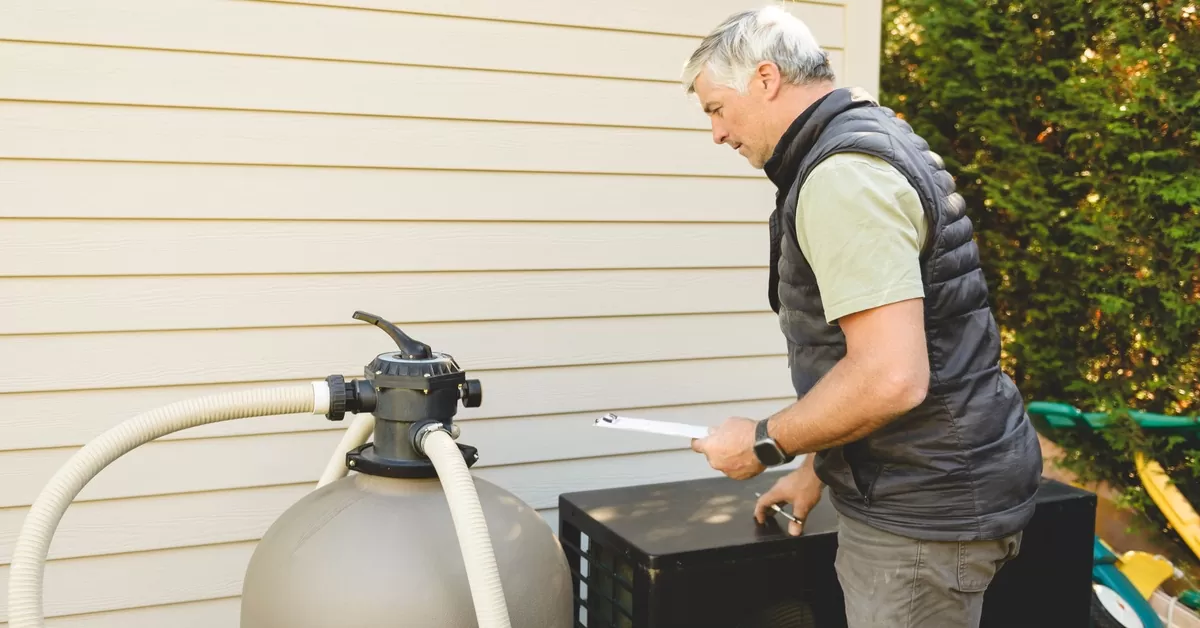
A swimming pool is more than a place to cool off and enjoy time with family and friends. It is a significant investment that requires regular care to remain safe, attractive, and functional. Over time, exposure to water, chemicals, weather, temperature changes, and continuous use can affect different parts of a pool. Small cracks may appear in the surface, tiles can become loose, pumps may stop working properly, and filtration systems can lose efficiency. If these problems are ignored, they can gradually become more complicated and expensive to resolve. Understanding common pool problems and knowing when professional assistance is necessary can help property owners protect their investment and maintain a comfortable swimming environment.
Professional pool repair plays an important role in addressing problems before they cause extensive damage. While some basic maintenance tasks can be handled by homeowners, technical issues involving plumbing, structural components, pumps, electrical systems, or water loss often require specialized knowledge. A timely inspection can identify the source of a problem and help determine the most appropriate solution. Rather than waiting until a pool becomes unusable, regular inspections and prompt repairs can help preserve its condition and extend the useful life of its major components.
Understanding Common Pool Problems
Swimming pools contain several interconnected systems, and problems in one area can affect other components. The structure itself must remain strong and watertight, while plumbing must circulate water efficiently between the pool, pump, filter, heater, and other equipment. Chemical levels must also remain balanced to protect the water and pool surfaces.
One of the most common concerns is water loss. Although some water naturally disappears through evaporation and normal use, excessive or unexplained water loss can indicate a leak. A leak may occur in the pool shell, plumbing lines, fittings, skimmers, drains, or other components. Identifying the exact location can sometimes be challenging because water may travel through surrounding soil or structures before becoming visible.
Surface deterioration is another common concern. Concrete, plaster, fiberglass, vinyl liners, tiles, and other pool finishes can deteriorate over time. Cracks, discoloration, rough areas, staining, peeling, and loose tiles can affect both appearance and functionality. Some surface problems are primarily cosmetic, while others may indicate a deeper structural or moisture-related issue.
Equipment problems can also affect pool performance. A pump that makes unusual noises, a filter that becomes clogged frequently, or a heater that fails to maintain the desired temperature may require professional attention. Addressing these problems promptly can prevent additional strain on the system.
Why Early Repairs Matter
Ignoring a minor pool problem may seem like a way to save money in the short term, but delaying necessary repairs can allow the underlying issue to become more serious. A small crack in a surface, for example, may expand due to repeated temperature changes or water pressure. A minor plumbing leak can contribute to water loss and potentially affect surrounding structures or soil.
Early intervention also makes troubleshooting easier. When a problem is relatively new, there may be fewer contributing factors, making it easier for a qualified professional to determine its source. Once several components have deteriorated, identifying the original cause can become more complicated.
Regular inspections provide another advantage because they allow property owners to plan for repairs rather than dealing with unexpected emergencies. A professional can explain which issues require immediate attention and which can be monitored over time. This allows maintenance decisions to be based on the actual condition of the pool rather than guesswork.
Preventive care can also protect expensive equipment. Pumps, filters, heaters, automation systems, and plumbing components can represent a substantial portion of a pool’s overall value. Keeping these systems in good condition can help reduce unnecessary wear and improve their operating efficiency.
Identifying Pool Surface Damage
The pool surface is constantly exposed to water, chemicals, sunlight, cleaning activities, and physical use. Over time, these factors can cause visible changes. Cracks are among the most important signs to monitor because their significance depends on their size, location, pattern, and underlying cause.
Small surface imperfections do not always indicate a serious structural problem. However, cracks that grow, become wider, repeatedly return after repair, or appear alongside unusual water loss should be professionally assessed. A qualified technician can determine whether the issue is limited to the finish or whether a deeper structural concern exists.
Pool plaster can also become rough, stained, chipped, or discolored. Some discoloration may result from water chemistry, while other stains may be caused by metals, organic material, or problems within the surface itself. Attempting to remove stains with aggressive chemicals without understanding their cause can sometimes make the situation worse.
Tiles can become loose or fall away as adhesives deteriorate or the underlying surface shifts. Damaged tiles should not simply be ignored because sharp edges can create a safety hazard for swimmers. Replacing damaged tiles and examining the surrounding area can help restore both appearance and safety.
Detecting and Addressing Pool Leaks
Water loss is one of the most frustrating pool problems because a leak may not always be immediately visible. A pool can lose water through the structure, plumbing, equipment, or connections. Evaporation can also create the impression of a leak, especially during periods of high temperature or wind.
If water levels are dropping more quickly than expected, property owners should investigate rather than continually adding water without identifying the cause. Excessive water loss can increase water consumption and may place additional pressure on the circulation system.
Professional leak detection methods can help determine whether water is escaping and where the problem may be located. Depending on the type of pool and suspected leak, technicians may inspect plumbing lines, fittings, drains, skimmers, structural surfaces, and equipment connections.
Once the source is identified, the appropriate repair can be selected. Fixing a leak promptly is important because continuous water loss can affect pool chemistry and filtration performance. In some situations, escaping water may also affect surrounding soil or nearby structures, making timely intervention even more important.
Maintaining Pumps and Filtration Equipment
The circulation system is essential to maintaining clean and healthy pool water. The pump moves water through the filtration system, while the filter removes debris and suspended particles. If either component is not functioning correctly, water quality can deteriorate.
A pump may develop problems for several reasons, including worn bearings, damaged seals, blocked intake lines, electrical faults, or insufficient water flow. Unusual humming, grinding, rattling, or excessive vibration can indicate that the equipment needs inspection.
Filters can also become overloaded with debris. A clogged filter may reduce circulation and force the pump to work harder. Different filter types require different cleaning and maintenance procedures, so following manufacturer recommendations is important.
Professional servicing can include inspecting pump components, checking connections, evaluating pressure levels, cleaning or servicing filters, and identifying signs of wear. Proper equipment maintenance can improve circulation while reducing unnecessary stress on the system.
Plumbing Problems and Their Warning Signs
Pool plumbing is responsible for moving water between the pool and its various equipment components. Pipes are generally hidden from view, which means plumbing problems can sometimes go unnoticed until symptoms become obvious.
Reduced water flow, unexplained water loss, air entering the circulation system, unusual pressure readings, or persistent bubbles can indicate plumbing concerns. Cracks or damaged connections may develop because of ground movement, age, installation issues, freezing conditions, or other factors depending on the environment.
Because underground plumbing is difficult to access, accurately identifying a problem before excavation or major work begins is particularly valuable. Professional diagnostic methods can help determine whether a leak or blockage is present and narrow down its location.
Unnecessary digging can increase repair costs and potentially disturb landscaping or surrounding structures. Proper diagnosis therefore plays an important role in efficient plumbing repairs.
Repairing Pool Decks and Surrounding Areas
The pool itself is only one part of the swimming environment. The surrounding deck, coping, steps, drainage areas, and other features also require attention. Cracked or uneven decking can create tripping hazards and may allow water to enter areas where it should not.
Pool decks can deteriorate due to weather exposure, moisture, repeated use, soil movement, or the natural aging of construction materials. Small cracks should be monitored because they can expand over time.
Coping around the edge of the pool is especially important because it helps define the boundary between the water and surrounding deck. Loose, cracked, or deteriorated coping should be repaired appropriately to prevent further damage and improve safety.
Drainage should also be considered. Water should move away from areas where it could damage structures or contribute to erosion. If drainage is inadequate, recurring moisture can create additional problems around the pool area.
The Importance of Balanced Water Chemistry
Although water chemistry is generally considered part of routine maintenance rather than structural repair, it has a direct effect on the condition of the pool. Poorly balanced water can contribute to corrosion, staining, scaling, surface deterioration, and equipment problems.
Water should be tested regularly to determine whether chemical levels are within the recommended ranges for the specific pool system. Factors such as pH, sanitizer levels, alkalinity, and other water characteristics influence both swimmer comfort and equipment longevity.
Extremely unbalanced water can damage certain surfaces and components. It may also reduce the effectiveness of sanitizing products, allowing water quality to deteriorate.
Chemical adjustments should be made carefully and according to product instructions. Adding excessive amounts of chemicals does not necessarily solve a water-quality problem and can sometimes create additional complications. When water chemistry remains difficult to control despite proper routine care, a professional assessment may help identify the underlying cause.
When Professional Help Is Necessary
Homeowners can handle many basic tasks, including removing visible debris, checking water levels, cleaning appropriate filters, and monitoring the pool’s appearance. However, more complicated problems should be handled by trained professionals.
Structural cracks, persistent leaks, electrical problems, plumbing failures, pump malfunctions, heater issues, and major surface deterioration can require specialized tools and technical knowledge. Attempting complicated repairs without appropriate experience can result in further damage or create safety risks.
Professional pool repair services can provide diagnostic expertise as well as practical repair solutions. A qualified technician can inspect the system, identify the likely cause of the problem, explain available options, and determine what work is necessary.
It is also useful to ask questions before authorizing major work. Property owners should understand what caused the problem, what repair is being proposed, which materials will be used, and whether additional maintenance will be required afterward. Clear communication can help prevent misunderstandings and ensure that repairs address the actual source of the problem.
Preventive Maintenance for Long-Term Performance
Preventive maintenance is one of the most effective ways to protect a pool. Rather than waiting for equipment or surfaces to fail, regular inspections can identify early warning signs and provide an opportunity to correct them.
A maintenance routine should include monitoring water levels, checking chemical balance, cleaning the pool, inspecting visible surfaces, observing pump operation, and examining the filtration system. The frequency of each task depends on the pool type, equipment, usage, and environmental conditions.
Professional inspections can complement routine homeowner maintenance. A technician can evaluate components that are difficult to inspect without specialized knowledge and identify issues that may not yet be producing obvious symptoms.
Keeping maintenance records can also be helpful. Recording repairs, equipment servicing, filter cleaning, chemical adjustments, and other important information creates a history of the pool’s condition. This can make it easier to identify recurring problems and plan future maintenance.
Choosing the Right Repair Approach
Not every pool problem requires the same solution. The appropriate repair depends on the underlying cause, the material involved, the age of the pool, the condition of surrounding components, and the extent of the damage.
A surface crack might require localized repair, while widespread deterioration could require resurfacing. A minor plumbing connection problem may be relatively straightforward, whereas an underground leak could require specialized detection and access techniques.
The goal should always be to address the underlying problem rather than simply hiding visible symptoms. A temporary cosmetic fix may make a damaged area look better while leaving the cause untouched. Over time, the same problem may return and require additional work.
Professional assessment can help determine whether repair, replacement, refurbishment, or monitoring is the most appropriate approach. Property owners should consider both immediate costs and long-term implications when making these decisions.
Protecting Your Investment Through Regular Care
A swimming pool can provide years of enjoyment when its structure and equipment are properly maintained. However, neglect can gradually reduce its performance and appearance. Regular care protects not only the pool itself but also the investment represented by pumps, filters, heaters, plumbing, surfaces, decking, and other components.
Timely pool repair can prevent minor issues from becoming larger problems. Combined with proper cleaning, balanced water chemistry, equipment inspections, and sensible usage, repair work can help maintain a safer and more enjoyable swimming environment.
The most effective approach is proactive rather than reactive. Instead of waiting for a pump to fail completely, a leak to become severe, or a crack to expand, property owners can monitor their pool and arrange professional assistance when warning signs appear. This strategy can make maintenance more predictable and may reduce the risk of expensive emergency work.
Final Thoughts on Reliable Pool Care
Maintaining a swimming pool requires more than keeping the water clean. The structure, plumbing, circulation equipment, filtration system, surfaces, decking, and water chemistry all contribute to the pool’s overall condition. Each component deserves appropriate attention because a problem in one area can eventually affect other parts of the system.
Regular inspections, timely maintenance, and professional repairs can help protect the pool from unnecessary deterioration. Property owners should pay attention to warning signs such as unexplained water loss, unusual equipment sounds, weak circulation, visible cracks, damaged tiles, unstable surfaces, or persistent water-quality problems.
Professional pool repair should be viewed as part of responsible long-term pool ownership rather than simply an emergency service. Addressing problems early can help maintain safety, preserve appearance, protect equipment, and potentially extend the useful life of the entire pool system. With a consistent maintenance routine and prompt attention to developing issues, a well-cared-for pool can remain a valuable and enjoyable feature for many years.

