

Moving furniture can be one of the most challenging parts of relocating to a new home or office. From heavy sofas and dining tables to delicate cabinets and valuable bedroom sets, every item requires proper handling, careful planning, and the right equipment to prevent damage. Without an organized approach, the process can quickly become stressful, time-consuming, and physically exhausting. However, with a clear plan, suitable packing materials, and effective lifting techniques, it is possible to make the entire experience much easier and more manageable.
Whether you are preparing for a residential move, rearranging your living space, or transferring office equipment, understanding the best practices for handling furniture can save time, protect your belongings, and reduce unnecessary expenses. A successful move involves more than transporting items from one place to another. It requires preparation, organization, safety awareness, and attention to detail at every stage. By following practical strategies and knowing when to seek professional assistance, you can ensure that your furniture arrives at its destination in excellent condition.
Understanding the Importance of Proper Furniture Moving
Furniture is often among the most expensive and frequently used property in a home or workplace. Beds, wardrobes, desks, sofas, and dining sets serve essential purposes, and replacing damaged pieces can be costly. Improper handling can lead to scratched surfaces, broken legs, loose joints, damaged upholstery, or cracked glass components. In some cases, careless lifting may also cause injuries or damage walls, doorframes, floors, and staircases.
Proper preparation helps minimize these risks while making the moving process more efficient. Before beginning, it is important to understand the size, weight, material, and condition of each item. A solid wooden table requires a different approach from a glass coffee table, while an upholstered sofa needs protection against dirt, moisture, and tearing. Recognizing these differences allows you to choose appropriate packing methods and handling techniques.
A well-organized moving plan also reduces confusion on moving day. When each item has a designated place in the moving vehicle and a clear destination in the new space, unloading becomes easier. This level of organization helps prevent misplaced hardware, unnecessary lifting, and delays that can occur when belongings are packed without a systematic approach.
Planning Ahead for a Smooth Moving Experience
Planning is the foundation of a successful relocation. Starting early gives you enough time to sort your belongings, arrange supplies, measure furniture, and address potential obstacles. Waiting until the last minute often leads to rushed decisions, inadequate protection, and avoidable mistakes. Ideally, you should begin preparing several weeks before the scheduled moving date, especially if you have a large household or substantial office furniture.
Start by creating a detailed inventory of all major furniture items. Include beds, wardrobes, sofas, chairs, bookshelves, cabinets, desks, and appliances that may require special handling. Record their approximate dimensions, condition, and any specific requirements for disassembly or protection. This inventory will help you estimate the number of packing materials, people, and vehicle space needed for the move.
Next, determine which items you genuinely need to take with you. Moving provides an excellent opportunity to donate, sell, recycle, or responsibly dispose of furniture that no longer serves a purpose. Reducing the total volume of belongings can lower transportation costs, simplify packing, and make unpacking less demanding.
Create a realistic schedule that includes packing, dismantling furniture, loading, transportation, unloading, and reassembly. Allow additional time for unexpected problems, such as difficult access points, traffic delays, or furniture that requires more preparation than anticipated. A flexible schedule is more useful than an overly ambitious plan that leaves little room for complications.
Preparing Furniture Before Packing
Furniture preparation plays a significant role in preventing damage during transportation. Before wrapping or moving any item, remove loose objects, decorative accessories, cushions, drawers, and detachable shelves whenever possible. Emptying furniture makes it lighter and reduces the risk of items shifting or falling during handling.
Clean each piece before packing it. Dust, dirt, and small particles can scratch polished surfaces when trapped beneath protective materials. For wooden furniture, use a suitable cleaning product and allow the surface to dry completely. Upholstered pieces should be vacuumed, while metal components can be wiped clean according to the manufacturer’s recommendations.
Take photographs of complicated furniture assemblies before disassembling them. Images of bed frames, shelving systems, and modular desks can make reassembly significantly easier. Place screws, bolts, washers, and other small components in labeled bags, and attach the bags securely to the relevant furniture item when practical. For particularly complex assemblies, label individual pieces so that their original positions remain clear.
Protect removable shelves and glass panels separately. Wrap glass components in suitable protective material, mark the packages as fragile, and keep them secured upright whenever the packaging and transport arrangement permit. Never assume that a thick blanket alone provides sufficient protection for delicate glass.
It is also important to check manufacturer instructions before dismantling adjustable beds, recliners, motorized desks, or other specialized furniture. Some items contain electrical connections, tension mechanisms, or components that require particular handling procedures.
Choosing the Right Packing Materials
The quality of your packing supplies directly affects how well furniture withstands movement and transportation. Using inappropriate materials can leave surfaces exposed to scratches, moisture, or impact damage. Investing in suitable protective supplies is often less expensive than repairing or replacing damaged belongings.
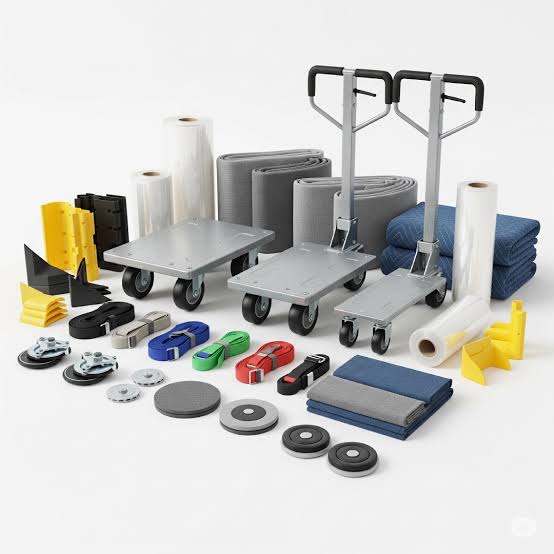
Moving blankets are useful for protecting large furniture pieces, including tables, dressers, and sofas. They provide cushioning against minor impacts and help prevent surface scratches. Stretch wrap can hold protective blankets in place, but it should not be applied directly to delicate finishes without considering the manufacturer’s guidance. Some surfaces, especially certain painted or polished finishes, may react poorly to prolonged contact with plastic materials.
Bubble wrap is appropriate for many small, fragile components, decorative accessories, and selected glass items when used with proper cushioning. Corrugated cardboard can protect corners and edges, while foam padding helps reduce the effects of vibration. Furniture covers are particularly useful for upholstered items because they provide a barrier against dust and dirt.
Keep essential tools nearby, including screwdrivers, Allen keys, adjustable wrenches, measuring tape, scissors, and a utility knife. A furniture dolly, lifting straps, and sliders can also be helpful when used correctly. Before using any equipment, check its load capacity and ensure that it is suitable for the furniture being handled.
Avoid overpacking hardware boxes or making individual packages too heavy to lift safely. Label each package clearly, identify fragile contents, and keep frequently needed tools accessible. Good labeling saves time during unloading and helps everyone involved understand how each item should be handled.
Safe Techniques for Lifting Heavy Furniture
Heavy furniture presents one of the greatest risks during a move. Incorrect lifting techniques can strain the back, shoulders, knees, and wrists. Attempting to move an oversized wardrobe or a heavy sofa without assistance may also cause the item to fall, resulting in injuries or property damage.
Before lifting anything, evaluate its weight, dimensions, balance, and route. Check whether the furniture can pass through doorways, hallways, staircases, and other narrow spaces. Remove obstacles, secure loose rugs, and ensure that the walking surface is dry and stable. If the item is too heavy or awkward to control, use suitable lifting equipment or hire trained professionals rather than attempting to move it manually.
When lifting a manageable object, stand close to it, maintain a stable stance, bend your hips and knees, and keep your back in a comfortable, neutral position. Lift smoothly without twisting your torso, and turn by moving your feet instead. Communicate clearly with anyone helping you, particularly when navigating stairs or changing direction.
Teamwork is essential when handling long or bulky pieces. Agree on who will lead, when to lift, and when to stop. Everyone should understand the route before the movement begins. If visibility is restricted, pause and reposition rather than continuing blindly.
Furniture moving equipment can reduce the physical effort required, but it does not eliminate every risk. Dollies should be loaded evenly, straps must be secured properly, and ramps should be stable and rated for the expected weight. Never place yourself beneath an unsupported item or attempt to catch falling furniture.
Protecting Walls, Floors, and Doorways
Furniture can damage a property even when the items themselves remain unharmed. Scratched floors, chipped paint, dented walls, and damaged doorframes are common consequences of poor maneuvering. These problems are especially likely when moving large objects through narrow entrances or around sharp corners.
Begin by measuring both the furniture and the available passageways. Include door handles, stair railings, ceiling height, and other obstacles in your assessment. If a piece cannot pass through an opening safely, determine whether removing its legs, doors, or other detachable components will provide sufficient clearance. Never force furniture through a tight space if doing so could cause damage or compromise safety.
Protect vulnerable surfaces with appropriate floor coverings, corner guards, and wall padding. Use furniture sliders designed for the specific floor type, since products suitable for carpet may not work well on hardwood or tile. Keep protective materials securely positioned so that they do not create tripping hazards.
When turning a large item, make small, controlled adjustments rather than swinging it quickly. Assign one person to monitor clearance where possible, especially around staircases and doorframes. Taking an extra minute to reposition an object is preferable to paying for avoidable repairs.
Organizing the Loading Process
Loading a moving vehicle requires careful planning because the arrangement of furniture affects stability, space utilization, and unloading efficiency. Items should be positioned to minimize movement during transportation while ensuring that their weight is distributed appropriately.
Begin with the heaviest, most stable items, placing them according to the vehicle manufacturer’s loading guidance and the requirements of the transportation service. Secure large pieces with suitable straps and avoid creating unstable stacks. Lighter boxes and smaller belongings can fill appropriate gaps, provided they do not place pressure on fragile surfaces or block necessary access.
Keep delicate furniture away from heavy objects that could shift against it. Use blankets or padding between surfaces to prevent rubbing and impact damage. Mirrors, glass panels, and other fragile components should be packaged separately and secured against movement rather than left loose among larger belongings.
Avoid placing excessive weight on upholstered furniture or delicate tables. Even a seemingly light box may cause damage if concentrated pressure is applied to a weak surface. If possible, keep hardware, assembly tools, and essential household items in clearly labeled containers that can be unloaded without disturbing heavier pieces.
A final inspection before departure is essential. Check straps, confirm that doors and drawers are secured, and make sure that the load cannot shift dangerously during normal driving conditions. Proper loading protects your belongings and supports safer transportation.
Managing Special Types of Furniture
Different furniture materials and designs require different handling methods. Understanding these differences helps prevent damage that may not become apparent until after the move.
Wooden furniture: Solid wood and veneer surfaces can be vulnerable to scratches, moisture, and sudden impacts. Use clean padding and avoid dragging pieces across the floor. Antique furniture may require additional protection because older joints, finishes, and decorative elements can be fragile.
Glass furniture: Glass tabletops, cabinet doors, and display shelves require careful packaging and secure placement. Remove detachable glass whenever possible, wrap it with appropriate cushioning, and clearly identify the package as fragile. Do not assume that tempered glass is impossible to break.
Upholstered furniture: Sofas, armchairs, and mattresses should be covered to protect them from dirt, moisture, and abrasion. Keep them away from sharp tools and exposed hardware. If furniture becomes damp during transportation, allow it to dry appropriately to reduce the risk of odors or mold.
Metal furniture: Metal desks, bed frames, and shelving units may have sharp edges that can damage nearby belongings. Cover protruding components and secure detachable parts. Inspect joints and fasteners before reassembly to ensure that the furniture remains stable.
Antique and valuable pieces: High-value furniture may benefit from specialist packing, custom crating, and professional handling. Document existing conditions with photographs before transportation, and review any insurance or valuation arrangements in advance.
When to Hire Professional Furniture Movers
Although some furniture can be moved independently, professional assistance is often worthwhile when the job involves heavy, oversized, fragile, or valuable items. Experienced movers generally have access to appropriate equipment, protective materials, transportation solutions, and established handling procedures.
Professional support can be particularly useful when moving large wardrobes, sectional sofas, solid wood dining tables, pianos, antique cabinets, or furniture located on multiple floors. It may also be beneficial when access is restricted or when the move must be completed within a limited timeframe.
When comparing providers, ask about their experience, services, pricing structure, and approach to protecting furniture. Confirm whether the quoted price includes packing materials, disassembly, reassembly, loading, transportation, and unloading. Additional charges may apply for stairs, long carrying distances, oversized items, or other special requirements, so request a written estimate whenever possible.
Before choosing a company, review customer feedback and verify relevant credentials, insurance arrangements, and service terms. Ask how damaged items are handled and whether any limits apply to reimbursement. A low initial quote is not necessarily the most economical option if important services or protections are excluded.
A reliable furniture moving service should communicate clearly, arrive with suitable equipment, explain any limitations, and treat your belongings with care. Professional assistance does not guarantee that every problem will be avoided, but appropriate planning and experienced handling can substantially reduce common risks.
Controlling Costs Without Sacrificing Safety
Moving expenses can increase quickly when transportation, packing supplies, labor, and additional services are combined. Fortunately, several practical strategies can help you manage your budget without compromising the safety of your belongings.
Start by comparing estimates from multiple providers and ensuring that each quote covers the same services. This makes it easier to identify differences in labor charges, travel costs, materials, and additional fees. Ask whether scheduling flexibility or moving during a less busy period could reduce the price.
Decluttering before the move is another effective way to control costs. Fewer items generally mean less packing, less loading, and less transportation space. Selling or donating unwanted furniture can also help offset some expenses.
Use existing packing materials when they are clean, suitable, and in good condition. However, do not reuse damaged boxes or rely on inadequate padding for fragile items simply to save money. The potential cost of repairs may exceed the price of proper protection.
If you plan to handle some tasks yourself, consider packing small items and organizing belongings while leaving difficult lifting, complicated disassembly, or hazardous access situations to qualified professionals. This balanced approach can reduce labor costs without exposing you to unnecessary physical risks.
Unloading and Arranging Furniture in the New Space
The moving process does not end when the vehicle arrives. Careful unloading and placement are equally important for protecting furniture and making the new space functional.
Before unloading begins, inspect the destination rooms and confirm where each major item should go. If you have a floor plan, use it to guide placement and prevent repeated lifting. Measure narrow spaces in advance, particularly when moving large beds, wardrobes, desks, or sectional sofas.
Check furniture for visible damage before removing protective materials. If you notice scratches, dents, broken components, or other problems, take photographs and document the condition promptly. Keep relevant receipts, inventories, and moving documents available in case you need to discuss a claim with the transportation provider.
Move large pieces into their designated rooms before unpacking smaller belongings. Assemble beds and other essential furniture first so that the household can function comfortably while the remaining items are organized. Follow manufacturer instructions when reattaching legs, shelves, doors, and other components, and make sure that all fasteners are tightened appropriately.
Once furniture is positioned, check that drawers open freely, doors align correctly, and tables or chairs stand securely. Avoid placing heavy objects on newly assembled pieces until their stability has been confirmed. For furniture that must be anchored to prevent tipping, follow the manufacturer’s safety recommendations.
Finally, inspect the surrounding floors and walls, remove packing materials, and dispose of waste responsibly. A systematic approach makes the new space safer, cleaner, and easier to enjoy.
Common Furniture Moving Mistakes to Avoid
Many moving problems result from small oversights that could have been prevented with better preparation. One common mistake is underestimating the weight or size of an item. Furniture that appears manageable in a room may become difficult to control in a narrow hallway or on a staircase. Measuring access points and assessing weight before lifting can prevent dangerous situations.
Another frequent mistake is leaving drawers, shelves, or loose components unsecured. These parts may slide open or fall during transportation, causing damage or creating hazards. Remove detachable components when appropriate, secure moving parts, and label everything clearly.
Using unsuitable wrapping materials can also create problems. Adhesive tape applied directly to delicate finishes may leave residue or damage the surface, while plastic covers can trap moisture in certain conditions. Choose materials according to the furniture’s construction and the expected transportation environment.
Rushing is equally problematic. Hurrying through loading, ignoring safety instructions, or skipping final inspections can lead to preventable damage. Maintain a steady pace, communicate with helpers, and pause whenever an item becomes difficult to control.
Finally, avoid assuming that insurance automatically covers every type of damage. Read the service agreement, understand the applicable coverage, and document valuable items before the move. Knowing the terms in advance helps you make informed decisions and reduces confusion if something goes wrong.
Making Your Next Move More Efficient and Stress-Free
A successful relocation depends on preparation, organization, appropriate equipment, and responsible handling. By creating an inventory, selecting suitable packing supplies, measuring access points, and using safe lifting techniques, you can reduce the likelihood of damage and make the entire process more manageable. Each stage, from dismantling furniture to final placement, deserves attention because small decisions can have a significant effect on the overall outcome.
Effective furniture moving also involves recognizing when professional assistance is the better choice. Heavy, fragile, unusually shaped, or high-value items may require specialist equipment and experienced handling. Choosing the right level of support can protect your belongings, reduce physical strain, and save valuable time.
Remember that a smooth move is not necessarily the fastest one. A carefully planned process allows you to work efficiently without taking unnecessary risks. Keep communication clear, protect vulnerable surfaces, organize hardware, and inspect furniture before and after transportation. These practical habits can make a considerable difference, whether you are moving a single room or an entire household.
Ultimately, the goal is to transport your belongings safely while making the transition to your new space as comfortable as possible. With a realistic schedule, a thoughtful approach, and the right resources, you can reduce stress, avoid common mistakes, and protect the furniture you rely on every day. A little preparation before moving day can save considerable effort afterward and help you settle into your new environment with greater confidence.

