

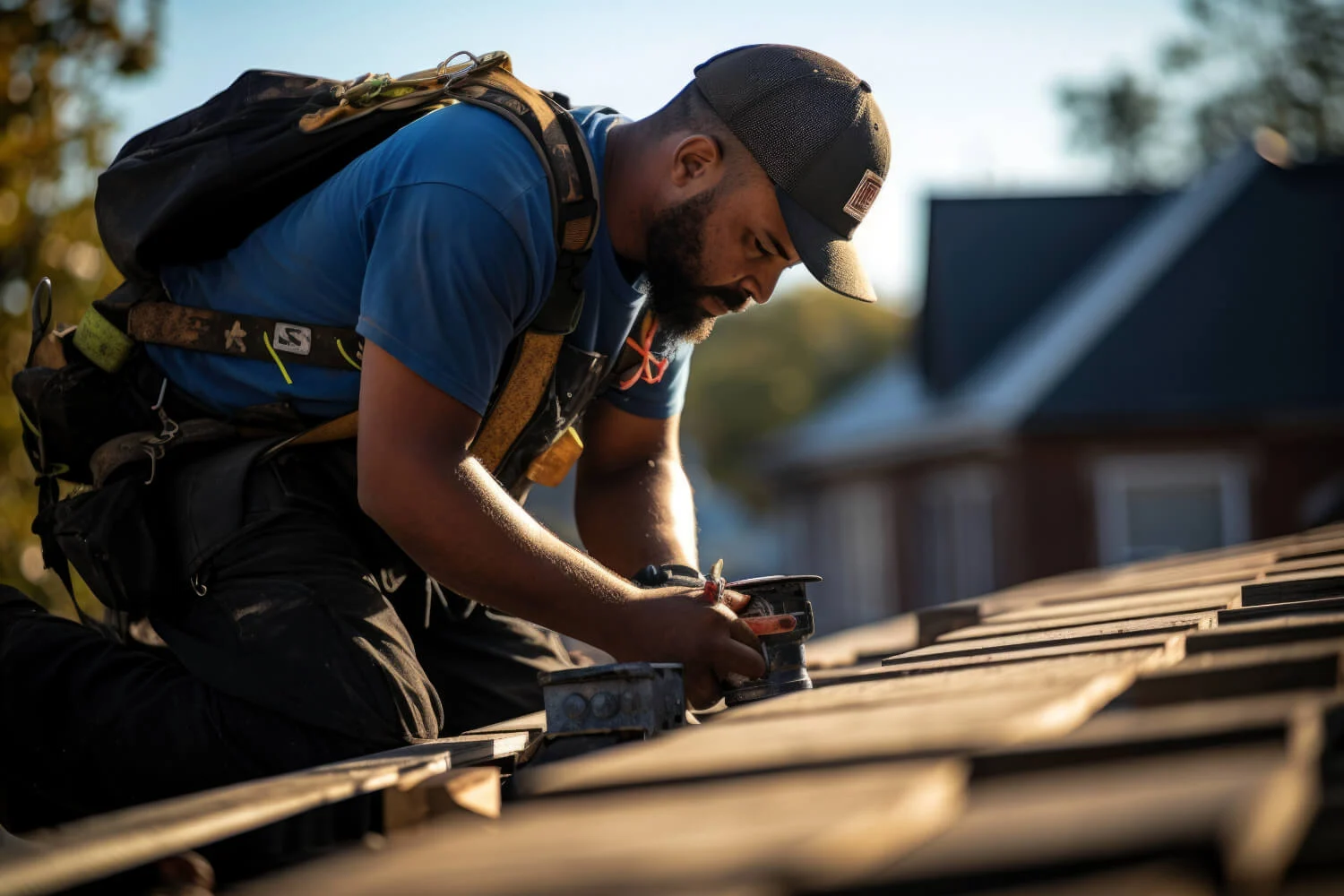
A roof is one of the most important protective components of any property because it separates the interior from rain, wind, sunlight, snow, temperature changes, and other outdoor conditions. Although roofing materials are designed to provide long-term protection, no roof remains completely free from wear or damage throughout its service life. Small problems can develop gradually as materials age, weather conditions change, and drainage systems become less effective. Missing or damaged shingles, cracked flashing, deteriorated seals, blocked gutters, exposed underlayment, and areas of water infiltration can all affect the performance of the roofing system. When these concerns are noticed early, professional roof repair can help address the affected areas before damage spreads to the decking, insulation, ceilings, walls, or other structural components. A timely approach allows property owners to focus on the actual condition of the roof rather than waiting until a minor concern becomes a major and expensive problem.
Understanding Why Roof Damage Develops
Roof damage can occur for many different reasons, and understanding the cause is an important part of developing an effective solution. Weather exposure is one of the most common contributors because roofing materials repeatedly experience wind, rain, sunlight, temperature fluctuations, and seasonal changes. Strong winds can loosen or remove shingles, while prolonged sunlight may cause certain materials to become brittle or deteriorated over time. Heavy rain can expose weaknesses around flashing, valleys, vents, chimneys, and other roof penetrations. In colder conditions, repeated expansion and contraction can place stress on roofing materials and fastening points. Damage can also result from falling branches, animals, improper previous installation, inadequate ventilation, or neglected maintenance. Because different problems can produce similar visible symptoms, identifying the underlying cause is essential. Simply covering a damaged area without addressing the reason it failed may provide only temporary protection and could allow the same problem to return.
Recognizing Early Warning Signs
Property owners should pay attention to changes in the roof and interior areas because many roofing problems provide warning signs before serious damage occurs. Missing, curling, cracked, or damaged shingles may indicate that sections of the roof are becoming vulnerable to moisture. Dark or discolored areas on ceilings and walls can suggest water infiltration, although the visible stain may not be directly beneath the point where water entered the roof. Granules collecting in gutters can indicate surface deterioration on asphalt-based roofing materials, while exposed nails, deteriorated flashing, or damaged seals around penetrations may create potential entry points for moisture. Homeowners may also notice increased energy costs, musty odors, damp insulation, or changes in attic conditions when roof-related moisture becomes a concern. During or after severe weather, it is especially important to look for visible changes without putting yourself at risk. Professional evaluation is preferable when damage is difficult to reach, extensive, or located in an area that requires specialized equipment.
The Importance of Professional Roof Inspection
A professional inspection provides more information than simply looking at the roof from ground level. Roofing professionals can evaluate the condition of visible materials, flashing, drainage components, ventilation areas, penetrations, and other parts of the roofing system that may influence performance. An inspection can also help determine whether a problem is isolated or connected to a larger issue. For example, a small leak may appear to require only a localized correction, but further evaluation could reveal deteriorated decking, damaged flashing, or moisture that has traveled beneath the roofing material. Understanding the full scope of the problem helps property owners make better maintenance decisions and avoid repeating temporary fixes. A professional inspection can also be useful when planning repairs after severe weather because some damage may not be immediately obvious. Documenting the condition of the roof through photographs and written observations can provide a helpful record for future maintenance and repair planning.
Addressing Leaks Before They Spread
Roof leaks deserve prompt attention because water can travel through roofing assemblies and affect areas far beyond the original entry point. Once moisture reaches the underlying structure, it may contribute to deterioration of roof decking, insulation, drywall, wood framing, and other materials. Persistent moisture can also create conditions that encourage unwanted biological growth and unpleasant odors. The visible location of an interior stain does not always identify the exact source of the leak, which is why professional investigation is often necessary. Roofing professionals may examine surrounding shingles, flashing, valleys, vents, seams, and other potential entry points to determine how water is reaching the interior. Addressing the source instead of merely repairing the visible interior damage is critical for long-term protection. Once the roof has been corrected and affected interior materials have been properly evaluated, property owners can reduce the likelihood of continued moisture-related deterioration.
Repairing Shingles and Surface Materials
Shingles and other roof surface materials form an important protective layer, so damage to these components should be evaluated carefully. A small number of missing or damaged shingles may sometimes be addressed without replacing the entire roof, depending on the age and overall condition of the system. However, repairs should match the existing roofing assembly as closely as practical in terms of material type, installation method, and surrounding condition. Improperly placed replacement materials can create additional weaknesses or affect the appearance of the roof. Professionals also need to examine the surrounding area because visible surface damage may have affected underlying materials. In some situations, what appears to be a simple shingle issue can involve deteriorated underlayment, damaged decking, or compromised flashing. A complete repair strategy therefore considers both the visible defect and the components beneath it. This approach helps restore the roof’s protective function rather than simply improving its appearance temporarily.
Flashing and Roof Penetration Concerns
Flashing plays an essential role in directing water away from vulnerable transitions and openings in the roofing system. Areas around chimneys, vents, skylights, walls, valleys, and other penetrations require careful attention because changes in materials can create potential pathways for moisture. Flashing may deteriorate, become loose, develop gaps, or be improperly installed during earlier work. Sealants can also age and lose their effectiveness after repeated exposure to outdoor conditions. When a leak develops near one of these areas, replacing or correcting the flashing may be more appropriate than simply adding surface sealant. Professional evaluation can determine whether the flashing remains functional and whether surrounding roofing materials have also been affected. Properly installed flashing works together with shingles, underlayment, drainage, and roof geometry to guide water away from vulnerable areas. Maintaining these connections is an important part of preserving the overall integrity of the roof.
Drainage and Gutter Maintenance
Effective drainage is closely connected to roof performance because water needs a reliable path away from the roofing surface and building structure. Gutters and downspouts that become blocked with leaves, branches, dirt, or other debris can prevent water from draining properly. Overflowing water may run along fascia boards, exterior walls, foundations, or other areas that were not designed to handle continuous moisture exposure. Poor drainage can also contribute to standing water on sections of the roof where water should normally move toward designated drainage points. Regular gutter cleaning and inspection can help identify these conditions before they contribute to broader problems. Downspouts should discharge water far enough away from the structure to reduce the risk of concentrated moisture near the foundation. During a professional roof evaluation, drainage components should be considered alongside the roof surface because the two systems work together to manage precipitation and protect the property.
The Role of Proper Roof Ventilation
Ventilation is another factor that can influence the long-term condition of a roofing system. An attic that does not receive appropriate airflow may experience excessive heat and moisture accumulation, depending on the building design and climate. Over time, these conditions can affect insulation, wood components, fasteners, and roofing materials. Proper ventilation generally involves a balanced system that allows air to enter and leave the attic through appropriately designed openings. However, ventilation should not be modified without considering the complete roofing and building assembly. Adding an opening without proper planning may create new pathways for water or fail to address the actual source of an attic moisture problem. Professional roofing evaluation can help determine whether ventilation concerns are contributing to premature material deterioration. When roof repairs are being planned, examining attic conditions can provide useful information about whether the roofing system is experiencing issues that extend beyond its visible surface.
Repair or Replace: Making the Right Assessment
Not every damaged roof requires complete replacement, but not every problem can be solved through localized repair either. The appropriate approach depends on the roof’s age, material condition, extent of damage, history of previous repairs, and overall structural performance. A relatively new roof with isolated damage may be a suitable candidate for targeted repairs, while an older roof with widespread deterioration may require more extensive work. Repeated leaks in multiple locations can indicate that the roofing system is approaching the end of its useful service life. Similarly, widespread granule loss, extensive cracking, recurring flashing failures, or deteriorated decking may indicate conditions that cannot be effectively resolved through isolated repairs. A professional assessment can help distinguish between localized problems and systemic deterioration. Understanding this difference allows property owners to plan expenses more effectively and avoid investing repeatedly in temporary solutions when a broader roofing project may eventually become necessary.
Preparing for Successful Roofing Work
Good preparation can make roofing work more efficient and reduce unexpected complications. Property owners should communicate known concerns to the roofing professional, including previous leaks, repairs, storm damage, unusual interior stains, or recurring drainage problems. If documentation from previous inspections or repairs is available, it can help provide useful background information. Before work begins, the scope of the project should be clearly understood, including the affected areas, expected materials, preparation requirements, and any conditions that could require additional work. During the repair process, damaged materials may need to be removed so that the underlying components can be evaluated. If hidden deterioration is discovered, the contractor should explain why additional work is necessary before proceeding. Clear communication helps establish realistic expectations and ensures that the final repair addresses the actual condition of the roofing assembly rather than only the most visible symptom.
Maintaining the Roof After Repairs
Completing a repair does not eliminate the need for ongoing maintenance. Regular observation and professional inspections can help identify new concerns before they become serious. Homeowners should keep gutters and downspouts clear, monitor areas around roof penetrations, maintain nearby trees and vegetation, and watch for visible changes in roofing materials. After significant storms, the roof should be checked for possible damage, especially if strong winds, hail, heavy rain, or falling branches were involved. Interior areas should also be monitored for new stains, dampness, or unusual odors. Keeping records of completed repairs can make future maintenance more organized because property owners can identify what work was previously performed and which areas may require additional attention. Maintenance requirements vary according to the roofing material, building design, environmental exposure, and age of the system, so professional recommendations can provide useful guidance for creating an appropriate inspection and care schedule.
Conclusion
A roof performs an essential protective function, but its long-term effectiveness depends on more than the quality of the original materials. Installation, ventilation, drainage, flashing, maintenance, weather exposure, and timely attention to developing problems all influence how well the system performs over time. Recognizing warning signs such as missing shingles, damaged flashing, leaks, water stains, clogged drainage components, or deteriorating roofing materials can help property owners respond before minor concerns become more complicated. Professional roof repair can address localized problems while providing an opportunity to evaluate surrounding components that may also require attention. When the entire roofing system is considered rather than focusing only on visible damage, repairs can provide more reliable and lasting protection. A proactive maintenance strategy, supported by professional inspections and timely repairs, helps property owners preserve the condition of their roofs and make informed decisions about future maintenance or replacement.

