

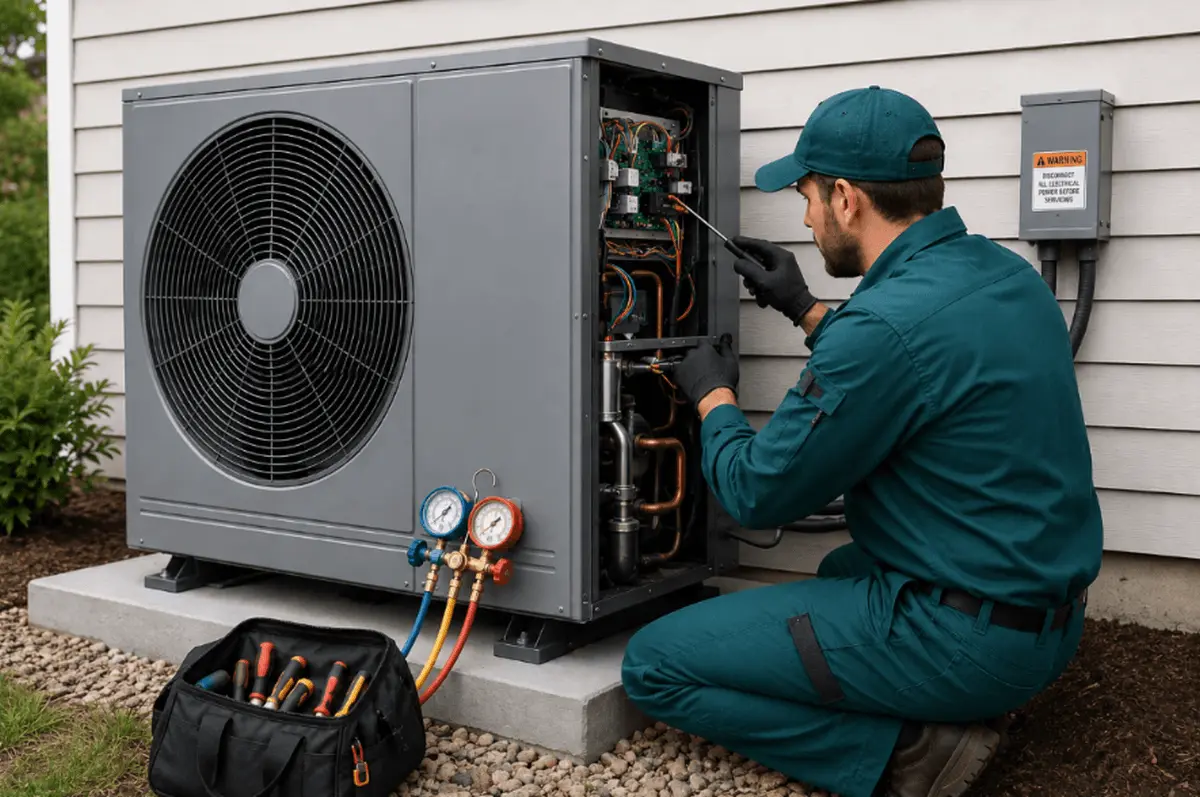
Heat pumps provide an efficient way to manage indoor temperatures because the same system can provide both heating and cooling throughout the year. Instead of relying on completely separate systems for different seasons, a heat pump transfers heat between the indoor and outdoor environments to maintain the desired temperature. This makes the equipment an important part of a property’s overall comfort system, but it also means the unit may operate for extended periods and experience considerable mechanical and electrical demand. Over time, components can become dirty, worn, damaged, or improperly adjusted, resulting in changes to system performance. Property owners may notice weak airflow, unusual sounds, uneven temperatures, longer operating cycles, excessive frost, drainage concerns, or difficulty switching between heating and cooling modes. These symptoms should not automatically be treated as minor issues because different underlying problems can produce similar warning signs. Professional heat pump repair provides an opportunity to evaluate the entire system, identify the source of the problem, and determine the appropriate repair or maintenance solution. A thorough approach can restore dependable operation while also helping property owners understand the condition of their equipment and plan for future HVAC needs.
Understanding Heat Pump Performance Problems
A heat pump contains several components that must work together for the system to transfer heat effectively. Compressors, coils, fans, motors, refrigerant circuits, electrical connections, thermostats, sensors, controls, and airflow components all have specific functions within the heating and cooling process. When one component begins to malfunction, the effects may be noticeable throughout the system. A problem with airflow can reduce heating and cooling performance, while an electrical issue may prevent the equipment from starting or cause intermittent operation. Refrigerant problems can affect the system’s ability to transfer heat, and thermostat or control issues can cause the equipment to operate at inappropriate times or in the wrong mode. Because these components are interconnected, identifying the actual cause of a problem requires more than simply observing the most obvious symptom.Changes in system behavior are often among the earliest indications that professional service may be necessary. A heat pump that previously maintained comfortable temperatures easily may begin running for longer periods or cycling more frequently. Indoor temperatures may become inconsistent, with some rooms feeling noticeably warmer or cooler than others. Property owners may also hear sounds that were not present during normal operation or notice an unexpected increase in energy use. These changes do not necessarily mean that the equipment requires major repairs, but they provide useful reasons for an HVAC professional to inspect the system. Early diagnosis can help identify developing problems while there are still multiple repair options available.
Diagnosing Weak Airflow
Proper airflow is essential for a heat pump because conditioned air needs to move effectively between the HVAC equipment and occupied areas. When airflow becomes restricted, the system may have difficulty maintaining the desired temperature and may operate for longer periods than normal. Restricted airflow can also contribute to additional strain on certain components and may reduce overall comfort. Several different conditions can create airflow problems, including dirty filters, blocked vents, duct restrictions, blower problems, dirty indoor coils, or mechanical issues affecting the fan assembly.A professional technician can evaluate the complete airflow path rather than assuming that one component is responsible. Filters are relatively simple to inspect and maintain, but they are not always the cause of poor airflow. If replacing a filter does not resolve the problem, the technician may need to inspect the blower, ductwork, indoor coil, vents, and other components. Correcting the actual source of the restriction can improve air circulation and allow the heat pump to operate under more appropriate conditions. This type of diagnosis is important because continuing to operate equipment with significant airflow restrictions can contribute to additional performance problems over time.
Addressing Refrigerant Problems
Refrigerant is essential to the heat transfer process within a heat pump. The system relies on the refrigerant circuit to absorb and release heat as the equipment changes between heating and cooling operation. If the system develops a leak, restriction, incorrect charge, or another refrigeration-related problem, performance can decline. Property owners may notice that the equipment takes longer to reach the selected temperature, operates continuously, produces insufficient heating or cooling, or develops unusual frost or ice patterns. However, these symptoms can also be caused by airflow, electrical, or mechanical problems, which is why professional diagnosis is important before refrigerant service is performed.Refrigerant-related repairs require specialized equipment and knowledge because simply adding refrigerant without identifying the reason for the loss may not resolve the underlying problem. A qualified technician can evaluate system operation and determine whether the refrigeration circuit is functioning correctly. If a leak is present, locating and addressing the source is an important part of the repair process. Proper refrigerant service can help restore the system’s ability to transfer heat and reduce the likelihood of recurring performance problems. Professional handling also helps protect the equipment from operating under inappropriate conditions.
Troubleshooting Outdoor Unit Problems
The outdoor unit is an important part of a heat pump’s operation in both heating and cooling modes. Because it is exposed to outdoor conditions, it can accumulate leaves, dirt, vegetation, and other debris that may interfere with airflow. Mechanical and electrical components within the outdoor unit can also experience normal wear over time. Fans, motors, capacitors, wiring, sensors, coils, and other parts can develop problems that affect the system’s ability to operate correctly. Keeping the area around the equipment reasonably clear can support airflow, but specialized problems should be evaluated by a professional.Outdoor unit problems can produce a range of symptoms, including unusual sounds, poor heating or cooling, frequent cycling, or failure to start. A technician can inspect the equipment to determine whether the issue is related to airflow, electrical components, mechanical wear, controls, or another condition. Cleaning may resolve some problems, while other situations may require component repair or replacement. A thorough inspection is preferable to replacing parts based solely on symptoms because multiple failures can create similar operating behavior.
Understanding Frost and Defrost Problems
Some frost formation on an outdoor heat pump coil can occur during heating operation under certain weather conditions, and the system is designed to manage this through a defrost cycle. During defrost operation, the system temporarily changes its operating process to remove accumulated frost from the outdoor coil. When the defrost system functions properly, temporary frost should not necessarily indicate a serious failure. However, excessive or persistent ice accumulation can signal a problem that needs professional attention.Problems with airflow, refrigerant charge, outdoor coil condition, sensors, controls, or defrost components can all contribute to abnormal ice buildup. If the coil becomes heavily covered with ice, airflow can be restricted and the system may struggle to provide adequate heating. Continuing to operate the equipment without determining the cause can place additional strain on the system. A professional technician can evaluate the defrost operation and determine whether the problem originates from the control system, refrigeration circuit, airflow, or another component.
Resolving Electrical and Control Issues
Electrical components are responsible for powering and controlling many of the heat pump’s most important functions. Motors, compressors, fans, sensors, control boards, capacitors, relays, and other components all depend on appropriate electrical operation. A loose connection, damaged wire, failed component, or control problem can cause intermittent operation or complete system failure. Electrical symptoms may include difficulty starting, unexpected shutdowns, repeated cycling, buzzing sounds, or inconsistent operation.Because electrical systems can present safety hazards, diagnosis and repair should be performed by qualified HVAC professionals. A technician can test the relevant components and determine whether the issue involves the power supply, wiring, controls, motor, compressor, or another part of the system. Modern heat pumps can also contain sophisticated electronic controls that require specific diagnostic procedures. Proper testing helps avoid unnecessary component replacement and ensures that the actual source of the problem is addressed.
Checking Thermostats and Operating Controls
The thermostat plays an important role in controlling when the heat pump operates and which mode it should use. If the thermostat is inaccurate, damaged, incorrectly programmed, or incompatible with the system, the heat pump may not respond appropriately to temperature demands. Property owners may notice that the equipment runs too frequently, does not maintain the selected temperature, or has difficulty switching between heating and cooling. In some cases, the thermostat may appear to be malfunctioning when the underlying issue is actually located elsewhere in the system.Professional diagnosis can determine whether the thermostat, wiring, controls, or HVAC equipment is responsible for the problem. Modern systems may also use smart thermostats, zoning controls, and specialized heat pump settings that require proper configuration. Ensuring that the thermostat communicates correctly with the equipment can improve temperature control and reduce unnecessary operating cycles. If an older thermostat is no longer suitable for the system, a compatible replacement may provide improved control and convenience.
Repairing Drainage and Moisture Issues
Heat pumps can produce condensation during cooling operation, and that moisture needs to be removed through an appropriate drainage system. If the drain becomes clogged or the condensate pan develops a problem, water may collect around the indoor equipment. Persistent moisture can affect nearby components and may create additional property concerns if it is not addressed promptly. Property owners should pay attention to unexpected water around HVAC equipment because it can indicate a drainage problem or another condition that requires professional evaluation.A technician can inspect the condensate pan, drain line, pump where applicable, and surrounding components to determine why water is accumulating. A simple blockage may be cleared during service, but recurring drainage problems may require additional investigation. Correcting the source of the moisture problem is important because repeatedly clearing a drain without addressing an underlying issue may only provide temporary relief. Proper drainage supports reliable operation and helps protect the surrounding area from unnecessary moisture exposure.
Evaluating Blower Motors and Mechanical Components
The indoor blower plays an important role in moving conditioned air through the property. If the blower motor becomes worn, dirty, or electrically defective, airflow may decrease and the heat pump may struggle to maintain comfortable temperatures. Property owners may notice weak airflow from vents, unusual sounds, longer operating periods, or uneven temperatures between rooms. Mechanical components can also become worn over time, especially when the equipment operates frequently throughout the year.Professional inspection can determine whether cleaning, adjustment, lubrication where appropriate, electrical testing, or component replacement is necessary. A technician can also inspect related components to determine whether a blower problem has contributed to other system concerns. Addressing mechanical problems promptly can help restore appropriate airflow and reduce the risk of additional strain on the equipment. Because heat pumps can operate in both heating and cooling modes, maintaining reliable blower performance is particularly important for year-round comfort.
Deciding Between Repair and Replacement
When a heat pump develops a problem, property owners may wonder whether repairing the existing equipment or replacing the entire system is more appropriate. The answer depends on several factors, including the age of the equipment, severity of the failure, repair cost, frequency of previous problems, system condition, and expected future performance. A newer system with an isolated component failure may be a good candidate for repair, while an older system with repeated major failures may require a broader evaluation.A professional HVAC inspection can provide useful information for making this decision. Rather than focusing only on the immediate failed component, the technician can evaluate the condition of the system as a whole. If several major components are approaching the end of their service life, replacement planning may deserve consideration. If the equipment is otherwise in good condition, repairing the individual problem may be appropriate. Having accurate information about the system’s condition allows property owners to plan rather than making a decision based solely on the urgency of a breakdown.
Importance of Preventive Maintenance
Regular maintenance can help identify heat pump problems before they become major failures. Maintenance typically involves inspecting important components, evaluating airflow, checking electrical connections, examining coils, reviewing controls, and assessing other parts according to the equipment’s requirements. Filters should also be inspected and replaced or cleaned as recommended. Keeping the outdoor unit free from excessive debris can help maintain suitable airflow around the equipment.Because a heat pump can provide both heating and cooling, it may operate during many months of the year. This extended use makes regular professional inspections especially valuable. Maintenance cannot guarantee that a system will never fail, but it can help identify developing conditions that may otherwise remain unnoticed. A technician may discover a worn component, airflow restriction, electrical concern, or control issue before it causes a complete loss of heating or cooling. Addressing those conditions early can make service more manageable and help protect the equipment’s long-term reliability.
Commercial Heat Pump Service
Commercial heat pumps can experience significant operating demands because they may serve larger spaces, multiple zones, or buildings with extended operating schedules. A malfunctioning commercial system can affect employees, customers, equipment, inventory, and daily operations, making reliable HVAC performance an important part of property management. Commercial heat pump service may involve larger equipment, more complex controls, rooftop systems, multiple indoor units, or other configurations that require appropriate technical experience.Professional commercial service focuses on identifying the source of the problem and determining the most practical repair solution. Technicians can evaluate system performance, controls, airflow, electrical components, refrigeration components, and other equipment-specific concerns. Preventive service can also help commercial property owners identify developing issues before they create significant interruptions. A structured approach to maintenance and repair can make HVAC problems easier to manage and provide useful information for future equipment planning.
Choosing Professional HVAC Repair Services
Selecting an experienced HVAC provider is important when a heat pump develops a significant problem. A qualified service provider should be familiar with heating and cooling systems, heat pumps, ductless equipment, thermostats, boilers, air conditioning systems, and related components. Broad HVAC experience allows technicians to evaluate the heat pump within the context of the complete comfort system instead of treating each symptom as an isolated problem.Chris Mechanical provides heating and cooling services that include heat pumps, repairs, maintenance, installation, ductless systems, boilers, commercial HVAC, thermostats, and indoor air quality solutions. Working with a provider that offers both repair and ongoing maintenance can make long-term equipment care more organized. Clear communication is also important because property owners should understand what the technician found, what caused the problem when it can be determined, what repair is recommended, and whether additional service should be considered.
Planning for Future Equipment Needs
A repair appointment can provide valuable information about the future condition of a heat pump. If the technician identifies aging components, recurring failures, or declining overall performance, property owners may benefit from beginning replacement planning before the system experiences a major breakdown. Planning in advance allows time to compare equipment options, consider installation requirements, evaluate heating and cooling capacity, and establish a realistic budget. Replacement should not be based on age alone because equipment condition and repair history also matter. A well-maintained older system may continue to provide useful service, while a newer system with significant component problems may require closer evaluation. Professional assessment can help property owners understand the condition of the equipment and determine whether continued repairs or future replacement planning should be considered. This information can make HVAC decisions more organized and less dependent on emergency circumstances, particularly when professional heat pump repair is needed to assess the system and address developing problems.
Conclusion
A heat pump is a complex HVAC system that provides both heating and cooling, and its reliable operation depends on the condition of numerous mechanical, electrical, refrigeration, airflow, and control components. Changes such as weak airflow, unusual sounds, inconsistent temperatures, excessive frost, water accumulation, frequent cycling, or reduced heating and cooling performance can indicate that the system requires professional attention. Heat pump repair can address these concerns by identifying the underlying problem and determining whether cleaning, adjustment, component replacement, or more extensive service is necessary. A complete diagnostic approach is important because similar symptoms can result from very different causes.Regular maintenance can further support long-term performance by allowing technicians to identify developing problems before they become major failures. Property owners can help by maintaining filters, keeping outdoor equipment reasonably clear, monitoring system performance, and arranging professional service when unusual conditions appear. Whether a system requires a minor component repair, significant mechanical service, maintenance, or an evaluation for eventual replacement, professional HVAC care can help protect indoor comfort and equipment reliability. For heating, cooling, heat pump, ductless, boiler, HVAC installation, maintenance, repair, commercial HVAC, and indoor air quality services, heat pump repair remains an important part of maintaining a dependable year-round comfort system.

