

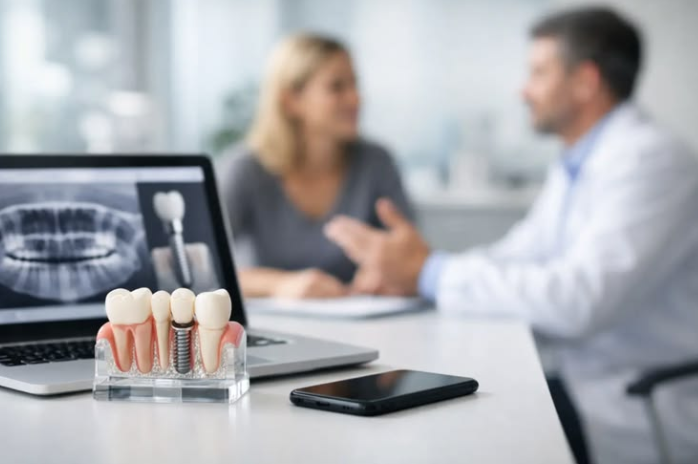
Most older people think that once they reach an age, they cannot consider themselves candidates for modern restorative dentistry services. However, being old per se is almost never a limiting factor when considering tooth replacement possibilities.
Choosing an experienced dental implant dentist can guide you through the best possible treatments. Patients of all ages are offered comprehensive examinations by the staff of Samuel Dental Care aimed at boosting patients’ smile and oral functionality.
Age is Not a Barrier in Modern Dentistry
The chronological age of the patient turns out to be less important for determining whether he or she can have tooth implants than one would expect. What is more significant, indeed, is the overall health, healing potential, and motivation for proper oral care.
Clinical evidence proves that the success rate of tooth implantation does not differ between elderly patients and much younger people. When a patient is healthy enough to undergo even a minor dental operation, there should not be any problems with having his or her own permanent tooth restoration at any point of life. An adult’s body maintains its capability to integrate titanium with bone tissue all the time.
Why Dental Implants Are the Best Solution for Senior Citizens
Dentures can slip, create friction blisters on gums, and drastically restrict the number of nutritious foods elderly people are able to chew. Implant-supported dental prostheses work just as if you have natural roots in your mouth, securing false teeth and eliminating the possibility of moving them while talking and eating. This helps increase the quality of life because senior citizens will be able to eat and talk without any doubts.
Myths about Senior Dental Care
In previous generations, loss of all teeth was considered as something inevitable when aging, resulting in the universal use of removable plates. Today’s dentistry tends to keep the natural bone structure and functional ability of the bite regardless of one’s age. People tend to live longer and have an active lifestyle, which justifies long-term solutions.
Importance of Bone Structure and Density
Age may be not a decisive factor but bone density is definitely important for treatment longevity. When there is no tooth in your mouth, your jawbone will lose its mass because of the lack of physical stimulation.
A professional dental implant dentist will conduct a thorough examination of the thickness, width and density of the existing jawbone with the help of 3D-imaging. A sufficient amount of bone tissue will ensure the proper connection between titanium pins and bone structure, which will be able to withstand biting force for many years.
Bone Loss Following the Loss of Teeth
The stimulation process that occurs between the natural teeth roots and the jawbone cells whenever one bites or chews food ceases once the teeth are extracted or are lost.
As a consequence, the bone starts being resorbed back into the body gradually. People with long-term use of conventional removable dentures end up losing much of their bone due to this constant absence of root stimulation.
Solutions for Low Bone Density
The absence of natural bone does not necessarily mean that the patient cannot be treated anymore. Procedures, including bone grafts, sinus lift, and ridge augmentations, are designed to recreate the necessary bone volume and restore its stability despite the years of bone loss.
Advantage of Tooth Replacement at Senior Age
Getting permanent teeth is an incredible decision that seniors will benefit from significantly in their physical function, health, and overall wellbeing. Apart from giving a healthy and attractive smile, permanent teeth maintain the shape of one’s face as they prevent sagging caused by shrinking jawbone.
Good chewing improves digestion and nutrition, making it possible for the seniors to eat a wide variety of nutritious food. Deciding to visit a skilled dentist specializing in dental implants will change one’s life in a positive way forever.
Health Condition and Medical Candidacy Assessment
Assessing the medical suitability of senior patients for undergoing certain treatments requires considering general health rather than the age of patients. Controlled cases of chronic illnesses such as high blood pressure and diabetes usually do not hinder the procedure.
A thorough evaluation of the patient conducted by the dental implant dentist will detect any underlying health conditions that may negatively impact the healing process. Cooperation between your dentist and your doctor will provide you with a seamless treatment experience personalized for your health and medication needs.
Impact of Chronic Conditions and Medications
Medical conditions not under control or medications that modify the bone remodeling process may interfere with the process of healing of soft tissues around titanium dental implants. For instance, an adequate management of osteoporosis requires thorough evaluation; however, it is quite rare to be a contraindication for placing implants.
Effect of Lifestyle Factors
Smoking and tobacco consumption can negatively impact the local blood flow and affect the recovery process. The adjustment of the patient’s habits before the operation makes it possible to achieve the long-lasting integration and well-being of tissues.
Implant Installation and Recovery for Elderly People
The procedure of implant installation is rather soft and usually done using the local anesthesia. Patients over sixty years old rarely experience post-surgical pains and perceive the recovery process as rather easy than the removal of the teeth.
Since there are no pain receptors in the bone tissue, all the unpleasant feelings are caused by the gum and healed fast enough. If the patients follow some simple recommendations after the surgery, the recovery period will be quite smooth and won’t affect their daily routine.
Conclusion
Age is not a barrier that would prevent a person from getting their life-changing permanent teeth. The key factors that determine the ability of a senior to get their missing teeth back are oral hygiene, jawbone density, and overall health, but not one’s age.
Bone grafting and advanced implant placement techniques make almost every senior a perfect candidate for dental implant treatment. Skilled professionals will evaluate one’s individual health condition and suggest a comfortable treatment plan.

