

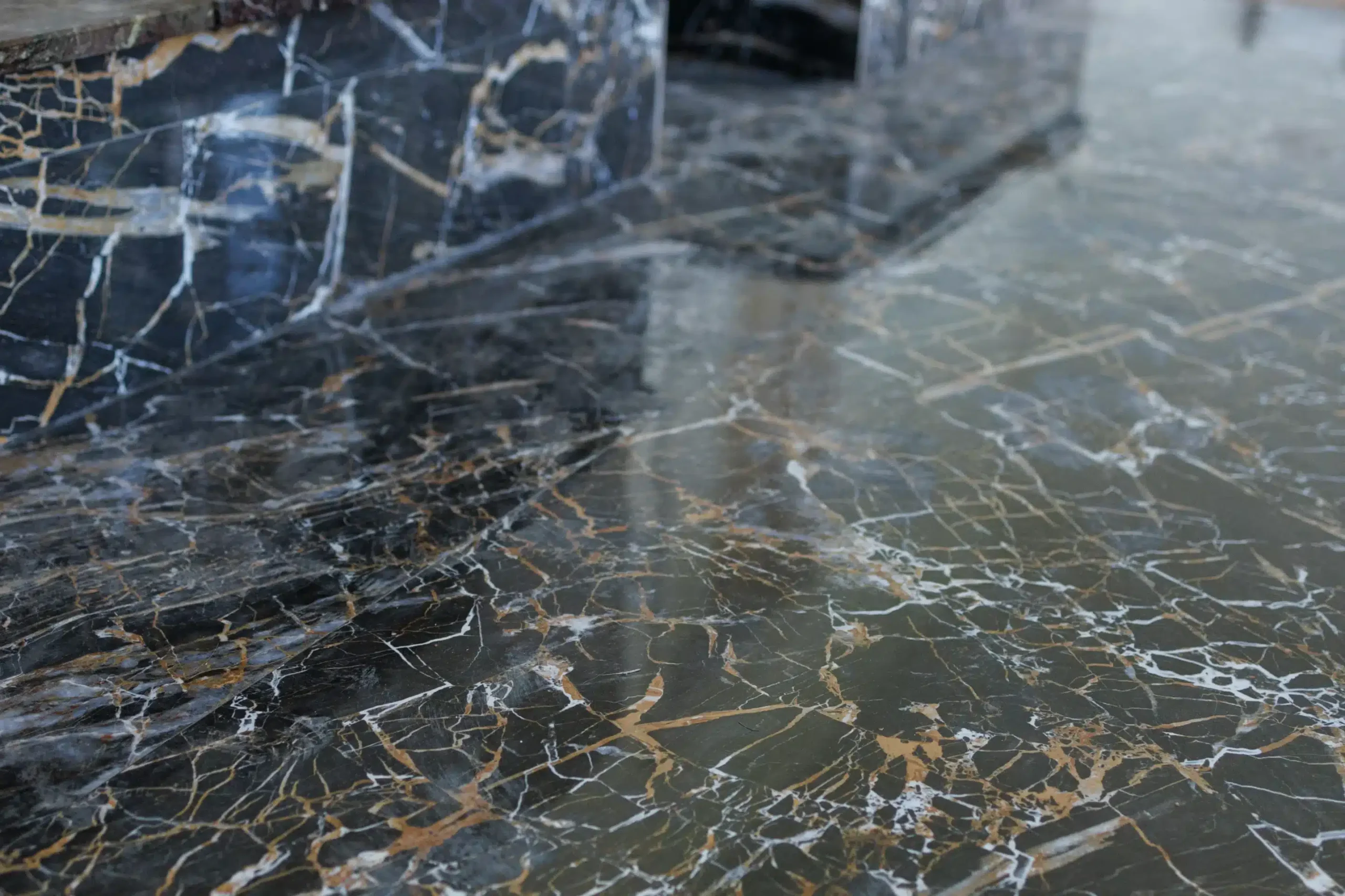
Marble has been used in architecture and interior design for centuries because of its distinctive appearance, natural variation, and association with refined craftsmanship. Each piece of marble can feature unique veining, tones, patterns, and textures, allowing it to create a surface that feels different from manufactured materials. It can be used for floors, countertops, walls, fireplaces, bathroom surfaces, staircases, backsplashes, and decorative features. However, achieving a beautiful and durable result requires more than selecting an attractive slab or tile. Proper measurement, surface preparation, material handling, layout planning, adhesive selection, cutting, grouting, sealing, and finishing all influence the final quality of the project.
Marble Installation requires careful attention because natural stone can be sensitive to improper handling and unsuitable installation methods. Unlike some synthetic materials that have relatively consistent patterns and characteristics, marble is a natural product with variations that may affect how pieces fit together and how the completed surface looks. Professional planning helps account for these differences while ensuring that the finished surface performs appropriately for its intended application.
Understanding Marble as a Natural Material
Marble is a natural stone formed through geological processes that transform limestone or related carbonate rocks under heat and pressure. This process produces the crystalline structure and distinctive veining associated with many types of marble. Because it is naturally formed, no two slabs or tiles are necessarily identical.
The variation is one of marble’s greatest aesthetic advantages, but it also creates design considerations. Some pieces may have prominent veins, while others may have softer patterns. Colors can range from bright white and cream to gray, beige, green, brown, black, and other shades depending on the stone’s mineral composition.
Marble can be polished to create a reflective surface, honed for a softer matte appearance, or finished using other techniques to achieve different textures. The selected finish affects not only appearance but also maintenance, slip resistance, and suitability for particular applications.
Because marble is a natural stone, it should be selected with its intended environment in mind. A material that performs well as a decorative wall surface may have different practical considerations when used on a frequently walked-on floor or a kitchen countertop.
Planning the Project Before Installation
Successful stone work begins before any adhesive is applied. Measurements should be taken carefully, and the installation area should be evaluated for dimensions, surface condition, corners, transitions, openings, and other features that may influence the layout.
The amount of marble required should account for cuts and reasonable material waste. Ordering only the exact measured area can create problems if pieces are damaged during transportation or if additional material is needed to maintain a particular pattern. For natural stone with strong veining, additional material may also be useful when selecting pieces that create an attractive visual flow.
The layout should be planned before cutting begins. This is especially important when installing marble with prominent veins or directional patterns. The placement of each piece can influence the appearance of the entire surface, so installers may arrange pieces temporarily to determine how the natural variation will look.
Planning should also account for transitions to other materials. For example, a marble floor may meet wood, tile, carpet, or another stone. These transitions need to be considered during the design stage so that differences in height and appearance can be handled appropriately.
Preparing the Installation Surface
Surface preparation is one of the most important steps in any marble project. The substrate should be structurally sound, clean, appropriately level, and suitable for the installation method and environment.
Dust, grease, loose particles, old adhesive, or other contaminants can interfere with bonding. Uneven areas can create problems with finished tile alignment and may increase the risk of cracks or hollow spots. If the substrate has structural movement or moisture problems, those issues should be addressed before marble is installed.
In wet areas, appropriate waterproofing is particularly important. Bathrooms, shower areas, and other moisture-prone spaces require a suitable substrate and waterproofing system rather than relying on the marble surface alone to prevent water intrusion.
The exact preparation requirements vary depending on whether marble is being installed over concrete, a cementitious backer board, an existing surface, or another approved substrate. The installation system should be compatible with both the substrate and the marble.
Choosing the Right Marble
Selecting marble involves more than choosing a color. The stone’s thickness, finish, porosity, surface characteristics, intended application, and maintenance requirements should all be considered.
Some marble varieties have pronounced veining that can become a major design feature. Others offer a more uniform appearance. A sample can provide a general impression, but larger pieces should be reviewed whenever possible because natural stone can vary significantly across a slab.
The finish is equally important. Polished marble has a glossy appearance that can emphasize color and veining, but it may show scratches, etching, and surface marks more readily. Honed marble has a matte finish and can provide a softer appearance, although it may have different staining characteristics.
For flooring, slip resistance and surface texture deserve particular attention. A highly polished surface may not be appropriate for every application, especially in areas that frequently become wet.
Measuring and Cutting Marble
Accurate measurements are essential because natural stone is relatively unforgiving of errors. Unlike flexible materials, marble cannot simply be stretched or adjusted after cutting. An incorrect measurement can result in wasted material or an undesirable joint arrangement.
Cutting should be performed with equipment appropriate for natural stone. Wet-cutting methods are commonly used to help manage dust and produce accurate cuts, although the exact equipment and technique depend on the stone and project.
Edges may require additional finishing depending on where the marble will be installed. Exposed edges can be polished or shaped to achieve the desired profile. Cutouts around sinks, outlets, plumbing fixtures, and other features require especially careful measurements.
The installer should inspect pieces before cutting and installation. Cracks, weak areas, discoloration, or other characteristics should be identified so that the material can be placed appropriately or replaced when necessary.
Selecting Adhesive and Setting Materials
The setting material needs to be appropriate for natural stone and the specific installation environment. Marble can sometimes be affected by moisture, staining, or discoloration from unsuitable products, so the adhesive and substrate system should be selected carefully.
The color of the setting material may also matter for lighter or translucent stones. Certain marble varieties can show changes in appearance when exposed to inappropriate adhesives or moisture conditions. Using a product recommended for the specific stone can help reduce these risks.
Coverage is another important consideration. The adhesive should provide appropriate contact between the marble and substrate without creating excessive voids. Large-format pieces may require specialized installation techniques to achieve adequate support across the surface.
Following manufacturer recommendations for mixing, application, open time, curing, and environmental conditions is essential. Rushing these steps can compromise the bond and final performance.
Creating an Attractive Layout
Natural veining makes layout planning especially important. Marble can be installed in a conventional arrangement, but larger slabs may allow designers to create continuous or book-matched patterns.
Book matching involves placing two slabs so that their veining creates a mirrored visual effect. This technique can produce a dramatic appearance on walls, countertops, fireplaces, or other large surfaces. It requires careful slab selection, cutting, and installation.
Tile layouts can also create distinctive designs. Straight grids, staggered patterns, diagonal arrangements, herringbone patterns, and other configurations can change the character of the space.
The installer should consider where the most visible areas are located. Prominent veins or attractive sections of marble may be intentionally positioned in focal areas, while less visually significant pieces can be placed in locations that are partially concealed by cabinets or fixtures.
Managing Grout Joints
Grout joints serve both functional and aesthetic purposes. They accommodate minor variations in tile dimensions and help create a finished surface, while their color and width influence the overall appearance.
Joint width depends on the marble product, installation requirements, tile consistency, and design preference. Very narrow joints can create a seamless appearance but may require highly accurate cutting and installation.
The grout color should complement the marble. A closely matched color can create visual continuity, while a contrasting shade can emphasize individual tiles and the layout pattern.
Care should be taken during grouting because some marble surfaces can be sensitive to staining or residue. The appropriate grout and cleaning method should be selected according to the stone and manufacturer’s recommendations.
Sealing Marble Surfaces
Many marble surfaces benefit from appropriate sealing, although sealing does not make marble completely stain-proof or maintenance-free. Natural stone can be porous, and the degree of absorption varies between materials.
A suitable penetrating sealer can reduce the rate at which certain substances enter the stone, giving occupants more time to clean spills before staining occurs. However, sealing requirements depend on the marble’s porosity, finish, application, and manufacturer recommendations.
The surface should be clean and properly prepared before sealing. The sealer should be applied according to the manufacturer’s instructions, including recommended coverage, dwell time, and curing period.
Sealing does not prevent etching caused by acidic substances. Marble is particularly susceptible to chemical reactions with acidic materials, which can dull or alter the surface. Understanding this characteristic is important for long-term maintenance.
Avoiding Common Installation Problems
One common problem is installing marble over an unsuitable or poorly prepared substrate. Even high-quality stone can develop issues if the surface beneath it moves, remains uneven, or contains moisture-related problems.
Another issue is improper adhesive selection. Some materials can cause discoloration or bonding problems when used with particular marble varieties. Choosing products specifically intended for natural stone can help avoid these complications.
Poor alignment can also affect the appearance of the completed project. Uneven joints, inconsistent spacing, and poorly positioned cuts can become especially noticeable when marble has a strong pattern.
Handling is another concern. Marble can crack or chip if dropped, improperly supported, or transported without appropriate protection. Larger slabs require careful handling because of their weight and dimensions.
Marble in Kitchens and Countertops
Marble countertops are valued for their appearance and natural variation. They can create an elegant focal point in a kitchen or other space, but they require an understanding of the stone’s characteristics.
Marble can be susceptible to scratching and etching, particularly when polished. Acidic foods and liquids can react with the surface and create dull spots. Heat resistance and other performance characteristics also depend on the particular stone and installation.
Proper support beneath the slab is essential. Cutouts around sinks and cooktops create areas that need careful reinforcement and handling. Edges should be finished appropriately to reduce the risk of damage.
Homeowners considering marble countertops should understand the maintenance requirements before installation. The material’s natural aging and development of surface marks may be acceptable to some people but undesirable to others.
Marble Flooring Considerations
Marble flooring can create a sophisticated appearance and can work with many interior styles. However, floors experience regular foot traffic, dirt, moisture, furniture movement, and other forms of wear.
The selected finish can influence both appearance and practical performance. Polished marble can provide a luxurious appearance but may show scratches and etching. Honed surfaces offer a more understated look and may provide a different experience under everyday use.
The substrate needs to be stable and appropriately prepared because movement beneath natural stone can contribute to cracking. Expansion and movement considerations should also be incorporated into the installation system where appropriate.
Regular cleaning is important because grit and abrasive particles can gradually affect the finish. Using suitable cleaning products and avoiding harsh chemicals can help preserve the stone.
Maintaining Marble After Installation
Maintenance begins with regular cleaning. Dust, dirt, spills, and other substances should be removed using cleaning products suitable for natural stone. Acidic or highly abrasive cleaners can damage certain marble finishes.
Spills should be addressed promptly, especially when they involve substances that may stain or react with the stone. Kitchen and bathroom surfaces may require more frequent attention because they are exposed to food, cosmetics, soap, oils, and moisture.
Protective measures can also help. Using mats or rugs in appropriate areas can reduce the amount of abrasive dirt reaching marble floors. Coasters, cutting boards, and similar protective items can be useful for countertops.
Over time, marble may require professional honing, polishing, or other restoration services. These procedures can address surface wear and help restore the appearance of the stone when routine cleaning is no longer sufficient.
When Professional Installation Is the Better Choice
Marble is a premium natural material, and mistakes during installation can be expensive to correct. Professional installation can be particularly valuable for large slabs, complex layouts, detailed edge profiles, staircases, countertops, shower surfaces, and projects involving extensive cutting.
Experienced installers understand how to evaluate the stone, prepare the substrate, plan layouts, make accurate cuts, manage transitions, and handle heavy pieces safely. They can also identify potential problems before installation begins.
For homeowners investing in high-value marble, professional workmanship can help protect the material investment. A poorly installed surface may develop alignment, bonding, cracking, or moisture-related issues that are difficult and costly to correct later.
Budgeting for a Marble Project
The total cost of a marble project depends on the stone itself as well as labor and supporting materials. Marble prices can vary according to type, quality, thickness, finish, availability, and visual characteristics.
Installation complexity can also have a significant impact. Simple tile layouts may require less labor than intricate patterns or large slabs with carefully matched veining. Additional costs can result from demolition, substrate preparation, waterproofing, structural reinforcement, transportation, edge finishing, sealing, and cleanup.
A detailed estimate should identify the scope of work and materials being included. Comparing estimates based solely on the price per square foot may not provide an accurate picture if one proposal includes substantially more preparation or finishing work than another.
Final Thoughts
Marble Installation combines natural beauty with technical craftsmanship, making careful planning essential from the initial material selection through final finishing. Marble’s distinctive veining, color variation, and range of finishes can create an elegant surface, but its natural characteristics also require appropriate handling and maintenance.
A successful project begins with selecting marble that suits the intended application. Proper measurements, layout planning, substrate preparation, adhesive selection, cutting, grouting, sealing, and finishing all contribute to the final result. The installation environment should also be considered because floors, countertops, walls, bathrooms, and other applications have different performance requirements.
Long-term care is equally important. Regular cleaning with suitable products, prompt attention to spills, appropriate protective measures, and periodic professional maintenance can help preserve the appearance of the stone. Homeowners should also understand that natural marble can develop subtle changes over time, including scratches or etching, which are characteristics of the material rather than necessarily signs of installation failure.
Ultimately, Marble Installation is an investment in both design and craftsmanship. When the material is carefully selected and installed on a properly prepared surface, marble can provide a distinctive finish that enhances an interior for many years. Working with experienced professionals is particularly valuable for complex projects because precision and proper stone-handling techniques can significantly influence durability and appearance.
For anyone considering Marble Installation, the best approach is to evaluate the entire project rather than focusing only on the visible stone. Consider the intended use, material characteristics, surface preparation, installation method, maintenance requirements, and long-term expectations before making a final decision. With thoughtful planning and appropriate workmanship, marble can become a durable and visually distinctive feature that adds character, sophistication, and lasting value to a carefully designed space.

