

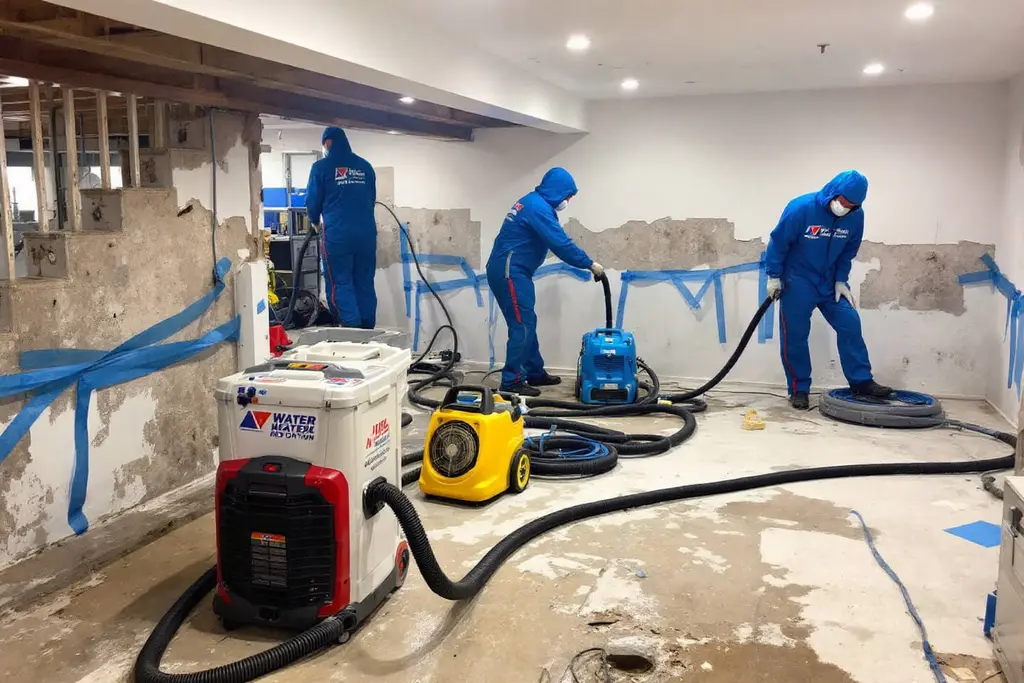
A basement can provide valuable living, storage, and utility space, but its position below or partially below ground level makes it particularly vulnerable to moisture and water intrusion. Heavy rainfall, plumbing failures, foundation cracks, drainage problems, groundwater, sump pump failures, and other unexpected events can allow water to enter and accumulate. Even a relatively small amount of water can create significant problems if it remains inside for an extended period. Moisture can damage flooring, drywall, insulation, furniture, electrical components, and stored belongings while also creating conditions that support unwanted biological growth and unpleasant odors. Understanding how basement water problems develop and what steps are involved in restoring an affected space can help property owners respond more effectively.
Water damage should be treated as more than a simple cleaning issue. The visible water may be only one part of a larger problem, particularly when moisture has entered porous building materials or traveled beneath flooring and behind walls. Effective restoration involves identifying the source of the water, removing standing moisture, drying affected materials, evaluating damage, cleaning contaminated areas when necessary, and addressing conditions that could cause the problem to return. Taking appropriate action early can reduce secondary damage and make restoration more manageable.
Understanding Common Sources of Basement Water
Basement water can enter a property through several different pathways, and determining the source is one of the first steps in an effective restoration process. Rainwater and surface runoff are common causes, especially when water is directed toward the foundation rather than away from the building. Poor grading, blocked drainage systems, damaged gutters, and improperly positioned downspouts can all contribute to excessive moisture around foundation walls.
Groundwater can also enter basements when the surrounding soil becomes saturated. Hydrostatic pressure may push water through cracks, joints, porous masonry, or other weak points in the foundation. This type of intrusion may occur gradually or become more noticeable during periods of prolonged rainfall.
Plumbing failures represent another potential source. A broken supply line, leaking water heater, damaged washing machine connection, or failed drain can release substantial amounts of water into a basement. Unlike rainwater intrusion, plumbing-related flooding may occur unexpectedly and can happen regardless of weather conditions.
Sump pump failures can create problems in properties that rely on sump systems to manage groundwater. Power outages, mechanical failure, clogged discharge lines, or an overwhelmed pump can prevent water from being removed effectively. Identifying the source helps determine both the appropriate immediate response and the preventive measures needed afterward.
Why Prompt Action Matters
When water enters a basement, delaying cleanup can increase the extent of damage. Porous materials such as drywall, carpet, insulation, wood, and upholstered furniture can absorb water quickly. The longer these materials remain damp, the greater the likelihood that they will require more extensive restoration or replacement.
Moisture can also migrate into areas that are not immediately visible. Water may move beneath flooring, behind walls, under cabinets, or into insulation. A basement may therefore appear relatively dry on the surface while hidden materials remain saturated.
Persistent moisture can also contribute to unpleasant odors and indoor environmental concerns. Simply removing visible water does not guarantee that all affected areas have dried. Proper restoration requires attention to moisture that may have penetrated building materials.
Fast action is especially important when water has come into contact with electrical equipment, outlets, appliances, or wiring. Electrical hazards can remain even after standing water has been removed. Such situations require appropriate professional evaluation before affected systems are returned to service.
Assessing the Extent of Damage
Before beginning extensive restoration, the affected area should be assessed carefully. The type of water involved is an important consideration because not all water presents the same level of contamination risk. Clean water from a supply line may require a different response from water originating from sewage, drains, or contaminated exterior sources.
The amount of water and duration of exposure also matter. A small spill that is addressed immediately may have limited effects, while a basement that has remained flooded for an extended period may have substantial damage to walls, flooring, insulation, and personal belongings.
Building materials should be evaluated individually. Concrete and certain masonry surfaces may tolerate water exposure relatively well, while drywall and porous insulation can absorb substantial amounts of moisture. Wooden structures may also require careful drying and inspection if they have remained wet.
Documentation can be useful during the assessment process. Photographs, notes, and records of damaged items can provide a clear account of what occurred and what restoration work was necessary. When insurance coverage may apply, property owners should follow their insurer’s documentation and notification requirements.
Removing Standing Water Safely
Removing standing water is usually one of the first major steps in the restoration process. The appropriate equipment depends on the amount of water and the conditions inside the basement. Small amounts may sometimes be removed using basic equipment, while larger floods may require pumps or professional extraction machinery.
Safety should remain the priority during water removal. If water has reached electrical outlets, appliances, electrical panels, or other powered equipment, occupants should not enter potentially hazardous areas or operate electrical devices without appropriate evaluation.
Water should also be removed in a way that does not create additional damage. In some situations, rapidly removing large quantities of water can affect pressure conditions around foundation structures. The appropriate approach depends on the building, source of water, and severity of flooding.
Professional restoration teams may use extraction equipment capable of removing water from carpets, flooring, and other materials more efficiently than ordinary household equipment. Removing as much moisture as reasonably possible at the beginning can make the drying stage more effective.
Drying the Basement Thoroughly
Once standing water has been removed, drying becomes one of the most important stages of restoration. Fans, air movers, dehumidifiers, and ventilation may be used to reduce moisture levels and accelerate evaporation when conditions permit.
Simply opening windows is not always enough. If outdoor humidity is high, bringing humid air into the basement may slow the drying process. Controlled dehumidification can be particularly useful because it reduces moisture in the indoor air and allows additional water to evaporate from affected materials.
Drying should continue until affected materials have reached appropriate moisture conditions rather than stopping when surfaces merely feel dry. Materials can retain moisture below the surface, so professional restoration specialists may use moisture-measuring equipment to evaluate progress.
Hidden spaces should also be considered. Moisture behind walls, beneath flooring, or inside insulation can remain long after standing water disappears. If these areas are not addressed, they may continue contributing to odor and deterioration.
Evaluating Flooring and Wall Materials
Different materials respond differently to water exposure. Carpet may absorb large quantities of water and can be difficult to dry completely, particularly when padding beneath it has become saturated. Depending on the source and duration of exposure, replacement may be more practical than attempting to restore heavily affected materials.
Hard flooring materials may sometimes be cleaned and dried successfully, but water beneath them can create hidden moisture problems. Wood-based materials can swell, warp, or become weakened after prolonged exposure.
Drywall is particularly vulnerable because it can absorb water through its lower edges and continue retaining moisture. In some situations, damaged sections may need to be removed to expose the wall cavity and allow proper drying.
Insulation can also retain significant amounts of moisture. The appropriate response depends on the material, contamination level, and extent of exposure. Professional assessment can help determine which materials can be safely dried and which should be replaced.
Cleaning and Sanitizing Affected Areas
After water has been removed and materials have been dried, cleaning is another important part of restoration. The appropriate cleaning process depends on the source and quality of the water.
Surfaces affected by clean water may require ordinary cleaning and drying, while contaminated water can require more extensive treatment. Sewage or wastewater exposure presents additional concerns because it can contain harmful microorganisms and other contaminants.
Cleaning should extend beyond the areas where water was visibly present. Splashing, seepage, and moisture migration can affect surrounding surfaces. Items removed from the basement should also be evaluated before being returned.
Odor control may be necessary when moisture has remained for an extended period. Effective odor removal generally requires addressing the source rather than simply masking the smell with fragrances or air fresheners.
Preventing Secondary Damage
Secondary damage occurs when the effects of the original water intrusion continue after the immediate flooding event. Examples include prolonged moisture, deterioration of building materials, persistent odors, and damage caused by hidden water.
Effective basement water cleanup should therefore focus on complete moisture removal rather than simply extracting visible water. Drying affected materials, checking hidden spaces, and addressing damaged components can reduce the risk of ongoing problems.
Furniture and stored belongings should be moved away from damp areas as soon as it is safe to do so. Items that can be dried successfully should be separated from heavily damaged materials. Porous belongings exposed to contaminated water may require specialized evaluation before they are retained.
The basement should also be monitored after the initial restoration. Changes in odor, discoloration, or renewed dampness may indicate that moisture remains somewhere in the structure.
Addressing Foundation and Drainage Issues
Cleaning up water does not prevent future flooding if the original source remains unresolved. Once the basement has been restored, property owners should investigate why the water entered in the first place.
Exterior drainage is an important consideration. Gutters should direct water away from the foundation, and downspouts should discharge water in suitable locations. Soil around the building should generally direct surface water away rather than toward foundation walls.
Foundation cracks should also be evaluated when they are associated with water intrusion. Some cracks may be minor, while others can be related to settlement or movement. The correct repair method depends on the type and cause of the crack.
Interior drainage systems, sump pumps, and other water-management equipment should also be inspected when relevant. If a sump pump was overwhelmed or failed, determining the reason can help prevent a repeat event.
Protecting Belongings and Valuable Items
Basements are often used for storing documents, furniture, seasonal decorations, clothing, electronics, tools, and other belongings. Water intrusion can quickly damage these items, so organization and storage practices can make a difference.
Important documents and valuable belongings should ideally be stored in elevated or water-resistant containers where practical. Items should not be placed directly on basement floors if the property has a history of water intrusion.
After a flooding event, belongings should be separated according to condition and material. Some items may be recoverable after appropriate cleaning and drying, while others may have absorbed too much moisture or contamination to restore effectively.
Photographing damaged belongings before disposal can also help maintain an accurate record. Documentation can be especially useful when evaluating replacement costs or communicating with an insurance provider.
Professional Restoration Considerations
Professional restoration may be appropriate when a basement has substantial standing water, contaminated water, widespread moisture, hidden water damage, or materials that are difficult to dry. Trained restoration specialists have access to commercial extraction equipment, air movers, dehumidifiers, moisture meters, and other tools designed for water-damage situations.
Professionals can also evaluate moisture conditions that are difficult to identify visually. Their assessment can help determine whether walls, floors, insulation, or other materials require removal or can be successfully restored.
When selecting a restoration provider, property owners should ask about experience, equipment, assessment procedures, and documentation. A clear explanation of the restoration process can help property owners understand what work is necessary and why.
The goal should be complete restoration rather than simply making the basement look dry. A professional approach considers visible and hidden moisture, affected materials, potential contamination, and the source of the water.
Preventing Future Basement Water Problems
Preventive maintenance can reduce the likelihood of future flooding. Gutters and downspouts should be kept clear so that rainwater can move away from the building efficiently. Drainage areas should also be monitored for blockages, erosion, or other problems.
Sump pumps should be maintained and tested periodically when they are part of the property’s water-management system. A backup power source or secondary pump may provide additional protection in properties where sump failure could create significant consequences.
Foundation walls and floors should be inspected periodically for new cracks, dampness, staining, or other changes. Early attention can make it easier to address water-entry points before they become larger problems.
Basement humidity should also be monitored. Even when there is no active flooding, excessive humidity can contribute to condensation and persistent moisture. Appropriate ventilation and dehumidification can help maintain better indoor conditions.
Conclusion
Basement water intrusion can result from many different causes, including heavy rainfall, groundwater, plumbing failures, foundation cracks, drainage problems, and equipment failures. Regardless of the source, prompt attention is important because water can quickly move into porous materials and create damage that is more difficult to address later.
Effective restoration involves more than removing standing water. The source of the intrusion should be identified, affected materials should be assessed, moisture should be removed thoroughly, and damaged surfaces should be cleaned or replaced as appropriate. Hidden areas should receive attention because moisture can remain behind walls, beneath flooring, or inside other materials even after visible water has disappeared.
Professional basement water cleanup can be particularly valuable when flooding is extensive, contaminated water is involved, or hidden moisture is suspected. Specialized equipment and experience can help improve the drying process and identify areas that might otherwise be overlooked.
Prevention is equally important. Maintaining drainage systems, inspecting foundations, testing sump pumps, managing basement humidity, and storing valuable belongings appropriately can reduce the potential impact of future water problems. Property owners should also respond promptly to signs such as dampness, staining, musty odors, or unexplained moisture rather than waiting for a major flooding event.
Ultimately, successful basement water cleanup combines immediate water removal with thorough drying, appropriate cleaning, damage assessment, and long-term prevention. Addressing both the symptoms and the underlying cause gives the property a better opportunity to recover fully and remain protected against future moisture-related problems. With careful maintenance and timely action, a basement can remain a useful part of a property while reducing the risks associated with unexpected water intrusion.

