

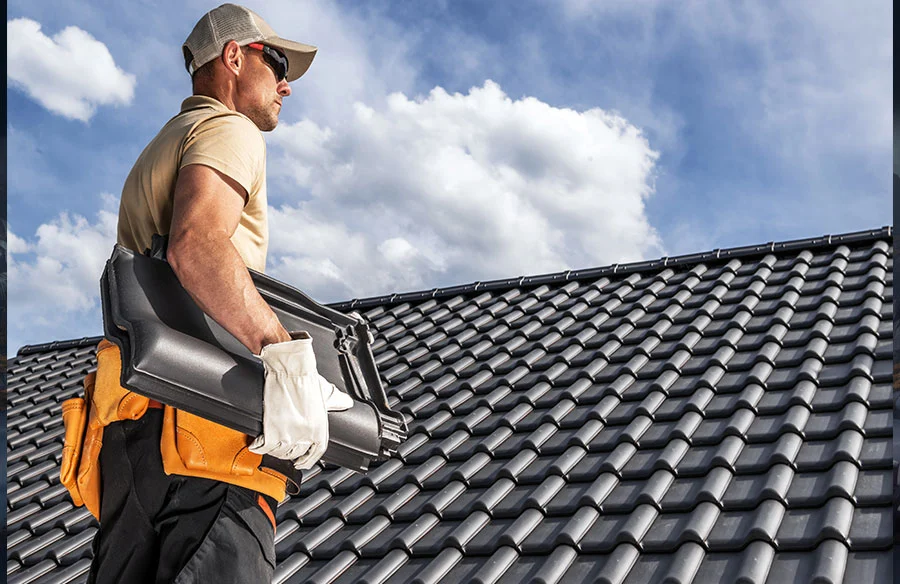
A roof is one of the most important protective components of a building. It shields the interior from rain, wind, sunlight, snow, debris, and changing outdoor conditions while also contributing to insulation, energy performance, and overall structural protection. Over time, however, even a well-maintained roof can deteriorate. Shingles may become damaged, flashing can fail, leaks may develop, and underlying materials can begin to weaken. When repairs are no longer sufficient to restore reliable performance, roof replacement may become a practical long-term solution.
Replacing a roof is a substantial project that requires careful planning and professional workmanship. It involves much more than installing new shingles over an existing surface. The condition of the roof deck, ventilation, flashing, underlayment, drainage, insulation, and other components should all be considered. Choosing appropriate materials and ensuring they are installed correctly can significantly influence the roof’s durability and performance.
Property owners who understand the replacement process can make better decisions about materials, contractors, maintenance, and project preparation. A thorough evaluation before work begins can also help identify hidden problems and prevent unexpected complications during installation.
Understanding When a Roof Needs Replacement
Not every roofing problem requires a complete replacement. Minor leaks, isolated damaged shingles, loose flashing, or small areas of deterioration can sometimes be repaired effectively. However, when problems become widespread or the roofing system reaches the later part of its expected service life, replacement may deserve consideration.
Age is one factor to evaluate, but it should not be the only one. A roof’s actual condition depends on the material, installation quality, weather exposure, maintenance history, ventilation, and other environmental factors. Two roofs of the same age may have very different levels of deterioration.
Visible signs can include widespread cracking, curling, missing shingles, exposed underlayment, damaged flashing, sagging areas, or persistent leaks. Dark or discolored patches may also indicate moisture-related problems, although their cause should be professionally evaluated.
A roofing professional can inspect the surface and underlying components to determine whether repair, partial replacement, or a complete roofing project is appropriate.
Common Signs of Roof Deterioration
Roof problems can appear gradually, making regular inspections valuable. Damaged or missing shingles are among the most noticeable warning signs. Strong winds, hail, falling branches, temperature changes, and long-term weather exposure can all affect roofing materials.
Granule loss can also indicate aging in certain roofing products. Granules help protect shingles from weather and ultraviolet exposure, so significant loss may reduce their protective performance.
Leaks are another important warning sign. Water stains on ceilings or walls can indicate that moisture is entering through the roof, although the visible stain may not be directly beneath the actual entry point.
Sagging sections require particular attention because they can indicate problems with the roof structure or prolonged moisture exposure. Any significant structural concern should be evaluated by a qualified professional as soon as possible.
Inspecting the Existing Roof
Before replacing a roof, a thorough inspection helps determine the project’s scope. The inspection should evaluate both visible roofing materials and accessible underlying components.
The roof deck should be checked for signs of rot, moisture damage, weakness, or deterioration. If damaged decking is left in place, it can compromise the stability and performance of the new roofing system.
Flashing around chimneys, vents, skylights, valleys, walls, and other penetrations should also be inspected. These areas are particularly important because they create transitions where water can enter if the components are damaged or improperly installed.
Roof ventilation should be evaluated as well. Poor ventilation can contribute to heat and moisture accumulation in the attic, potentially affecting roofing materials and insulation.
A detailed inspection gives the property owner a better understanding of what needs to be replaced and what can remain.
Choosing the Right Roofing Material
Roofing materials are available in many styles, colors, price ranges, and performance categories. Asphalt shingles are widely used because they are relatively accessible, available in numerous designs, and suitable for many residential applications.
Metal roofing can provide durability and a distinctive appearance. It is available in several profiles and finishes and can be used for both traditional and modern architectural designs.
Clay and concrete tiles can provide long service lives under appropriate conditions and are often selected for their appearance and resistance to certain environmental conditions. However, their weight should be considered because the building structure must be capable of supporting the roofing system.
Slate is another durable option with a distinctive appearance, but it can be more expensive and requires specialized installation. Synthetic roofing materials may offer alternatives that mimic the appearance of traditional products while reducing some structural or maintenance concerns.
The best material depends on the building’s design, structural capacity, environmental exposure, budget, desired appearance, and expected service life.
Considering Climate and Weather Exposure
Local weather conditions can significantly affect roofing performance. Strong winds can place stress on shingles and fasteners, while intense sunlight can accelerate deterioration in some materials. Heavy rainfall can expose weaknesses in flashing, valleys, drainage systems, and seals.
Areas that experience freezing temperatures may require attention to ice-related concerns and ventilation. Buildings in regions with frequent storms may benefit from roofing products and installation methods designed to withstand stronger wind conditions.
Material selection should therefore reflect the environment in which the roof will operate. A product that performs well under one set of conditions may not be equally suitable for another.
Manufacturers provide specifications describing the performance characteristics of their products. A qualified roofing professional can help match those specifications to the property’s requirements.
Preparing for Roof Replacement
Before the project begins, property owners should discuss the expected process with the roofing contractor. The project scope should identify the roofing materials, underlayment, flashing, ventilation components, disposal procedures, and other relevant work.
The area around the building should be prepared for construction activity. Outdoor furniture, decorations, vehicles, and other items may need to be moved away from the work zone.
Inside the building, fragile objects can be secured or moved, particularly because roofing work can produce vibration. Attic areas may also require preparation if workers need access to inspect or modify ventilation and decking.
Pets and children should be kept away from construction areas. Roofing projects involve elevated work, tools, debris, and materials, so maintaining a controlled work environment is important.
Removing the Existing Roofing
In a full replacement, the existing roofing materials are typically removed so that the underlying surface can be inspected. This allows the contractor to identify damaged decking and other problems that may not have been visible from outside.
Removal should be performed carefully to avoid unnecessary damage to the structure. Roofing debris should be collected and disposed of appropriately throughout the project.
Once the old materials are removed, the roof deck can be evaluated. Any compromised sections should be repaired or replaced before the new roofing system is installed.
Skipping this inspection can allow hidden problems to remain underneath the new roof, potentially reducing its service life.
The Importance of Roof Decking
The roof deck provides the structural base for many roofing systems. It is typically made from wood-based panels or other structural materials appropriate for the building.
Water intrusion over time can cause decking to weaken or deteriorate. During replacement, damaged areas should be identified and addressed before new roofing materials are applied.
A solid and properly prepared deck allows underlayment and roofing materials to be installed securely. The deck should also be appropriately fastened and free from conditions that could interfere with installation.
Replacing damaged decking may increase the project’s cost, but addressing structural deterioration during a roof replacement can prevent problems from being concealed beneath the new system.
Underlayment and Water Protection
Underlayment provides an additional layer of protection beneath the primary roofing material. It can help protect the roof deck from moisture and provide a secondary barrier against water intrusion.
Different roofing systems use different types of underlayment, and installation requirements vary according to the product and building conditions. Some areas of the roof may require additional waterproofing materials, particularly around valleys, eaves, penetrations, or other vulnerable locations.
Proper installation is essential. Underlayment should be positioned and secured according to the manufacturer’s instructions and applicable building requirements.
It should work as part of a complete water-management system rather than being treated as an independent waterproofing solution.
Flashing Around Vulnerable Areas
Flashing is used to manage water around locations where roofing materials meet other structures or surfaces. Chimneys, walls, skylights, vents, valleys, and roof edges often require carefully designed flashing details.
Damaged or improperly installed flashing is a common source of roof leaks. During replacement, existing flashing should be evaluated rather than automatically reused.
The correct flashing approach depends on the roof design and adjacent materials. A professional roofer can determine which components should be replaced and how they should integrate with the new roofing system.
Attention to these details can make a significant difference in long-term weather resistance.
Roof Ventilation and Attic Conditions
Ventilation is an important part of roof performance. A properly designed attic ventilation system can help manage heat and moisture accumulation.
Insufficient ventilation may contribute to excessive attic temperatures, condensation, and deterioration of roofing or structural components under certain conditions. Excessive or improperly placed ventilation can also create problems if it interferes with the intended airflow pattern.
Roof replacement provides an opportunity to evaluate existing vents and determine whether the system is functioning appropriately. Ridge vents, soffit vents, gable vents, and other components may be used depending on the building’s design.
Ventilation should be designed as a balanced system rather than adding vents without considering how air enters and exits the attic.
Installing the New Roofing Material
Once the roof deck, underlayment, flashing, and other preparatory components are ready, the primary roofing material can be installed.
Installation techniques vary significantly depending on the roofing material. Asphalt shingles, metal panels, tile, and slate each require different fastening methods, overlaps, spacing, and accessories.
Manufacturers provide detailed installation requirements that should be followed carefully. Fastener placement, alignment, ventilation, flashing, and edge details all contribute to the final performance of the roof.
A professional installation should also account for roof geometry. Valleys, ridges, hips, dormers, penetrations, and transitions require careful detailing because these areas can be more vulnerable to water intrusion.
Managing Roof Drainage
Effective drainage is essential because water should move away from the roof rather than accumulating on its surface. Gutters, downspouts, valleys, and roof slopes all contribute to drainage.
During replacement, gutters and downspouts should be inspected for damage or blockage. Their positioning should allow water to leave the roof efficiently.
Flat or low-slope areas require particular attention because water may drain more slowly. The roofing system used for these areas should be appropriate for the roof’s slope and drainage characteristics.
Poor drainage can contribute to standing water, leaks, material deterioration, and damage to exterior walls or foundations.
Choosing a Qualified Roofing Contractor
The contractor’s workmanship can have as much influence on roof performance as the material itself. Property owners should look for professionals with relevant experience, appropriate credentials, insurance, and a record of completing similar projects.
Before signing an agreement, homeowners should ask what materials will be used, how the roof deck will be inspected, how unexpected damage will be handled, and what warranty coverage applies.A detailed written estimate should identify the expected scope of work. It should explain removal, disposal, materials, labor, flashing, ventilation, decking allowances, cleanup, and other relevant services.
Comparing estimates based on the complete scope rather than simply the lowest price can provide a clearer understanding of what each contractor is offering.
Understanding Roofing Warranties
Roofing products and workmanship may have separate warranty terms. Product warranties generally come from the manufacturer, while workmanship coverage is provided by the contractor.
Property owners should read warranty documentation carefully and understand any conditions that may affect coverage. Certain warranties may require specific installation procedures or approved components.
A warranty should not replace careful contractor selection. Preventing installation problems is generally preferable to relying on warranty claims after damage occurs.Keeping copies of contracts, invoices, product information, inspection records, and warranty documents can make future maintenance and service easier.
Maintaining a New Roof
A new roof still requires routine maintenance. Property owners should periodically inspect the roof for damaged materials, debris, loose components, and other visible concerns.
Gutters and downspouts should be kept clear so water can drain properly. Overhanging tree branches may need to be trimmed when they create a risk of physical damage or excessive debris.After severe weather, an inspection can help identify damage that may not be obvious from ground level. Missing shingles, damaged flashing, dents, exposed underlayment, and other issues should be addressed promptly.
Regular maintenance can help extend the useful life of the roofing system and reduce the likelihood of small problems becoming major repairs.
Protecting the Interior During Replacement
Roof replacement involves substantial construction activity, so protecting the building’s interior and exterior is important. Contractors commonly use protective materials and procedures to control debris and reduce the chance of damage to landscaping or property.
Homeowners should communicate with the contractor about access, parking, work hours, cleanup, and other practical considerations before the project starts.
Weather can also affect scheduling. Roofing materials and installation procedures may have specific requirements regarding temperature, rain, wind, or other environmental conditions. A professional contractor should monitor conditions and adjust the work schedule when necessary.
The Long-Term Value of a Proper Roof Replacement
A properly completed roof replacement can provide more than improved appearance. A reliable roofing system protects the building envelope, helps prevent water intrusion, and can contribute to the overall durability of the structure.
Replacing an aging roof can also provide an opportunity to address underlying issues such as damaged decking, inadequate flashing, poor ventilation, or inefficient drainage.
The long-term value of the project depends heavily on material quality and installation workmanship. Selecting suitable products and ensuring they are installed according to manufacturer requirements can help the roof perform as intended.
Final Thoughts on Roof Replacement
Roof replacement is a significant property improvement project that should be approached with careful planning and professional guidance. Recognizing signs of deterioration, evaluating the existing structure, selecting suitable materials, and choosing an experienced contractor are all important steps.
The replacement process should address more than the visible roofing surface. Decking, underlayment, flashing, ventilation, drainage, fasteners, and other components contribute to the performance of the complete roofing system. Ignoring these elements can create problems even when attractive new roofing materials have been installed.
Professional roof replacement can provide an opportunity to restore weather protection, improve the appearance of a property, and address problems that may have developed beneath the old roof. Once the project is complete, regular inspections, gutter maintenance, debris removal, and prompt attention to damage can help preserve the new system.
A successful roof replacement ultimately depends on combining appropriate materials with accurate planning and quality workmanship. By understanding the process and asking informed questions before construction begins, property owners can approach the project with clearer expectations and make decisions that support the long-term protection and performance of their building.

