

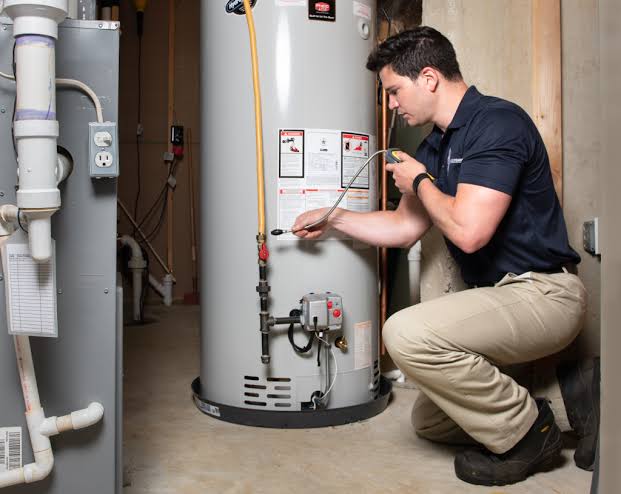
A dependable supply of hot water is essential for comfortable and convenient everyday living. From taking showers and washing dishes to doing laundry and cleaning, many household activities depend on a properly functioning water heater. Like any major home appliance, however, a water heater does not last forever. Over time, components can wear out, efficiency can decline, leaks can develop, and the system may no longer provide enough hot water for the household. When these problems become frequent or costly, water heater replacement may be a practical solution.
Replacing a water heater is more involved than simply removing an old unit and installing a new one. The replacement system needs to match the property’s hot-water demand, available energy source, plumbing configuration, installation space, and safety requirements. Property owners should also consider operating costs, maintenance needs, equipment lifespan, and future household requirements before selecting a replacement. A well-planned installation can improve reliability and help prevent unexpected disruptions caused by an aging or failing water heater.
Understanding Water Heater Replacement
Water heater replacement involves removing an existing water-heating system and installing a new unit that is appropriate for the property. The replacement may involve a traditional storage-tank heater, tankless equipment, heat pump technology, or another compatible system.
The right choice depends on several factors, including household size, hot-water usage, available fuel or electrical capacity, installation space, budget, and efficiency goals. Existing plumbing and utility connections may also influence which systems can be installed without substantial modifications.
A professional evaluation can help determine whether replacement is necessary and what type of equipment is most suitable.
Signs That a Water Heater May Need Replacement
Several warning signs can indicate that an existing water heater is approaching the end of its useful life. Persistent leaks are among the most important concerns because water damage can affect floors, walls, cabinets, and nearby equipment.
Other warning signs may include inconsistent water temperature, insufficient hot water, unusual noises, discolored water, frequent repairs, and visible corrosion.
Aging equipment may also become less efficient as internal components deteriorate or mineral deposits accumulate.
Not every problem automatically requires replacement. Some issues can be resolved through repairs or maintenance. However, when an older unit develops repeated problems, replacing it may be more practical than continuing to invest in repairs.
Evaluating the Existing System
Before replacement begins, the existing water heater should be evaluated carefully. A professional can inspect the tank, connections, valves, heating components, plumbing, and surrounding area.
The condition of the installation space is also important. Water damage, corrosion, inadequate drainage, or damaged flooring may need to be addressed before a new heater is installed.
The existing energy source should be identified as well. A replacement system may use electricity, natural gas, propane, or another energy source depending on the equipment and property’s infrastructure.
Understanding the current setup helps determine what modifications may be required.
Choosing the Right Water Heater Type
Several types of water heaters are available, and each has different operating characteristics. Conventional storage water heaters maintain a supply of heated water in a tank. They are widely used and can provide a familiar solution for households with predictable hot-water needs.
Tankless water heaters heat water as it flows through the system rather than storing a large volume. They can save space and may reduce energy use associated with maintaining stored hot water.
Heat pump water heaters transfer heat from surrounding air to heat water and can provide high efficiency under appropriate conditions.
The best option depends on the property’s requirements rather than simply choosing the newest technology.
Determining the Correct Capacity
For storage water heaters, capacity is an important consideration. A unit that is too small may run out of hot water during periods of high demand.
A system that is unnecessarily large may cost more to purchase and operate without providing meaningful benefits for the household.
Hot-water demand should be considered based on the number of occupants, bathrooms, appliances, bathing habits, and the likelihood of simultaneous use.
For tankless systems, flow rate and required temperature rise are more relevant than storage capacity.
Proper sizing helps ensure reliable performance without unnecessary equipment expense.
Considering Energy Efficiency
Energy efficiency is an important factor when selecting replacement equipment. Modern water heaters may offer improved efficiency compared with older systems, but actual operating costs depend on the technology, household usage, utility rates, incoming water temperature, and other factors.
A more efficient unit may have a higher initial purchase price while potentially reducing ongoing energy consumption.
Property owners should consider both upfront installation costs and long-term operating expenses.
The most efficient system on paper is not necessarily the best choice if it does not match the property’s usage patterns or infrastructure.
Electrical Requirements
Electric water heaters require appropriate electrical service. Some high-capacity or tankless electric systems can require substantial electrical power.
Before installation, the electrical panel, circuit capacity, wiring, breakers, and other components should be evaluated.
If the existing electrical system cannot safely support the new heater, upgrades may be necessary.
Electrical work should be completed by an appropriately qualified professional.
Improper wiring can create equipment damage and serious safety hazards.
Gas Water Heater Considerations
Gas-powered water heaters require an adequate fuel supply and appropriate combustion and ventilation arrangements.
The gas line must have sufficient capacity for the selected equipment, and shutoff components should be installed correctly.
Combustion gases must also be safely vented according to the equipment manufacturer’s requirements and applicable standards.
A replacement gas heater may therefore require modifications to the existing gas and venting systems.
These tasks should be handled by appropriately qualified professionals.
Plumbing Connections
The plumbing connections must be configured correctly when replacing a water heater. Cold-water supply, hot-water outlet, shutoff valves, discharge piping, and other components should be inspected.
Older connections may show corrosion or deterioration and may need replacement.
A new system should be installed with appropriate access for future maintenance.
Once the installation is complete, all water connections should be checked carefully for leaks before the system is placed into normal service.
Removing the Old Water Heater
Removing an existing water heater requires proper preparation. The water supply and energy source must be shut off, and a storage tank generally needs to be drained before it can be disconnected.
Large water heaters can be heavy, particularly when residual water remains inside them.
The removal process should also protect surrounding walls, floors, and fixtures.
After the old unit is removed, the installation area should be inspected for hidden water damage, corrosion, or other conditions that may have been concealed by the previous equipment.
Installing the Replacement Unit
The new water heater should be positioned according to manufacturer requirements and applicable installation standards.
Adequate clearance should be maintained around the equipment so that service technicians can access important components.
Water, electrical, gas, and venting connections should be completed correctly for the specific model.
The installation should also include appropriate safety components, including required temperature and pressure protection.
Once all connections are complete, the system should be tested thoroughly.
Temperature and Pressure Safety
Water heaters operate with heated water and pressure, so safety controls are essential. Temperature and pressure relief components are designed to help protect the system under abnormal conditions.
These components should be installed and maintained according to applicable requirements and manufacturer instructions.
The hot-water temperature should also be set at an appropriate level to provide useful hot water while reducing the risk of scalding.
Children, older adults, and people with reduced sensitivity can be particularly vulnerable to burns from excessively hot water.
Addressing Water Quality
Water quality can influence the performance and maintenance requirements of a water heater. Hard water can contribute to mineral accumulation inside tanks and heat exchangers.
Sediment can also settle at the bottom of conventional storage tanks.
Over time, mineral deposits can reduce efficiency and contribute to unusual noises or other performance issues.
Depending on water conditions, appropriate filtration or treatment may be worth considering.
The replacement heater should be maintained according to the manufacturer’s recommendations and the property’s water characteristics.
Preventing Water Damage
A failing water heater can release a significant amount of water if the tank or a major connection fails. Proper installation can help reduce the likelihood and consequences of leaks.
The surrounding area should have appropriate drainage where required, and connections should be inspected periodically.
A water leak detection device or automatic shutoff system may also provide an additional layer of protection in suitable installations.
These measures are especially valuable when the water heater is located near finished flooring, cabinets, or other materials that can be damaged by water.
Improving Hot Water Availability
One reason homeowners replace an aging heater is inconsistent hot-water performance. A properly sized replacement can provide more reliable service.
However, hot-water shortages are not always caused by the heater itself. Undersized plumbing, excessive simultaneous demand, long pipe runs, or other system limitations can also contribute.
Before replacement, the entire hot-water system should be evaluated if performance has been consistently inadequate.
This can help ensure that the new equipment addresses the actual cause of the problem.
Tankless Replacement Options
Some property owners choose to replace an existing storage heater with a tankless system. Tankless equipment can provide hot water on demand and generally occupies less space.
However, conversion may require changes to electrical circuits, gas supply, venting, plumbing, or other components.
The unit must also be properly sized for peak flow demand.
Tankless systems can be an attractive option in suitable properties, but they should be evaluated based on actual household needs rather than installed solely because they are compact.
Heat Pump Water Heater Options
Heat pump water heaters use heat-transfer technology rather than generating heat in the same way as conventional electric resistance heaters. Under appropriate conditions, they can provide high energy efficiency.
They may require sufficient surrounding air volume and appropriate installation space.
Because their operation differs from traditional systems, property owners should consider factors such as location, noise, drainage, climate, and household hot-water demand.
Professional assessment can help determine whether a heat pump water heater is compatible with the property.
Professional Water Heater Replacement
Professional replacement can help ensure that the new system is properly selected, installed, and tested.
An experienced installer can assess the existing plumbing and utility infrastructure, recommend suitable equipment, remove the old system, install the replacement, and verify safe operation.
Professional installation is particularly important for systems involving gas, high electrical loads, specialized venting, or complex plumbing.
Property owners should request a clear explanation of the equipment, installation scope, warranty, maintenance requirements, and any modifications needed before work begins.
Common Replacement Mistakes
One common mistake is choosing a replacement unit based only on its purchase price. A cheaper heater may have different efficiency, capacity, or maintenance requirements that affect long-term value.
Another mistake is selecting the wrong capacity. An undersized system may struggle during periods of high demand, while an oversized unit may add unnecessary expense.
Ignoring existing plumbing, electrical, gas, or venting limitations can also lead to installation problems.
Finally, delaying replacement after serious warning signs can increase the possibility of unexpected leaks or equipment failure.
Maintaining a New Water Heater
Replacing a water heater does not eliminate the need for maintenance. Regular attention can help preserve performance and identify problems early.
Maintenance requirements depend on the type of heater. Storage systems may require periodic inspection and sediment management, while tankless units may require heat-exchanger flushing under certain water conditions.
Connections, valves, controls, and surrounding areas should also be inspected periodically.
Following the manufacturer’s maintenance recommendations can help protect the equipment and maintain warranty requirements.
Planning for Long-Term Performance
A replacement water heater should be considered a long-term investment. Property owners should keep records of the model, installation date, warranty information, maintenance history, and service performed.
These records can help simplify future repairs and replacement planning.
It is also useful to monitor changes in hot-water temperature, operating noises, leaks, and overall performance.
Early attention to unusual symptoms can prevent small problems from becoming major failures.
When Emergency Replacement May Be Necessary
Some water heater failures require immediate attention. A major leak, rapidly spreading water damage, severe corrosion, or an unsafe gas or electrical condition should not be ignored.
In these situations, the energy and water supplies should be handled safely according to appropriate procedures, and professional assistance should be obtained.
Emergency replacement may involve selecting equipment quickly, but the system should still be properly sized and installed rather than choosing an unsuitable unit simply because it is immediately available.
Conclusion
Water heater replacement can restore dependable hot-water service while providing an opportunity to improve efficiency, capacity, safety, and overall system performance. The process begins with evaluating the existing heater and determining whether repair remains practical or replacement is more appropriate.
Choosing the right replacement requires careful consideration of hot-water demand, equipment type, capacity, energy source, installation space, plumbing, electrical requirements, and long-term operating costs. Storage, tankless, heat pump, and other systems each have different characteristics, so the ideal solution depends on the specific property and household requirements.
Professional installation is especially important when replacement involves gas connections, substantial electrical work, specialized venting, or complex plumbing modifications. Proper installation and testing can help ensure that the new system operates safely and reliably.
After installation, regular maintenance remains important. Monitoring for leaks, unusual sounds, temperature changes, corrosion, and other warning signs can help identify problems early. By combining careful equipment selection, professional installation, and consistent maintenance, property owners can enjoy a dependable hot-water system and reduce the likelihood of unexpected interruptions in the future.

