

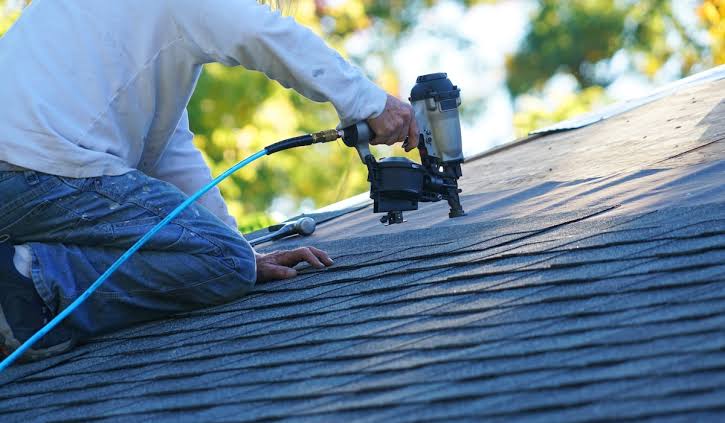
A roof is one of the most important protective components of any building. It shields the interior from rain, wind, sunlight, snow, debris, and changing weather conditions while helping maintain a comfortable indoor environment. Because the roof remains exposed to the elements throughout the year, it can gradually experience wear even when there are no obvious signs of damage from inside the property. Regular roof maintenance provides an opportunity to identify developing problems, address minor defects, and protect the structure before small issues become expensive repairs.
Many roofing problems begin with conditions that may appear insignificant. A cracked or missing shingle, damaged flashing, clogged gutter, loose roofing material, or small opening around a penetration can eventually allow moisture to enter the building. Water intrusion can damage insulation, ceilings, walls, framing, and interior finishes. Routine maintenance helps property owners stay ahead of these issues by keeping the roof clean, inspecting vulnerable areas, and responding promptly when damage is discovered.
Understanding the Importance of Roof Maintenance
Roof maintenance is more than simply repairing leaks after they occur. It is a proactive process that involves regular inspection, cleaning, minor repairs, drainage management, and monitoring of roofing materials. The purpose is to keep the roof functioning properly and identify potential problems before they develop into major failures.
Different roofing systems have different maintenance requirements. Asphalt shingles, metal roofing, tile, slate, flat roofing membranes, and other materials respond differently to weather and environmental conditions. Maintenance should therefore be appropriate for the specific roof rather than following a one-size-fits-all approach.
A well-maintained roof can provide reliable protection for many years, while neglected maintenance can shorten its useful life and increase the likelihood of unexpected repair costs.
Scheduling Regular Roof Inspections
Regular inspections are one of the most important parts of roof care. An inspection can reveal damage that may not be visible from ground level, particularly around flashing, valleys, penetrations, roof edges, and other vulnerable areas.
Inspections are especially useful after severe weather. Strong winds can loosen roofing materials, while hail, heavy rain, falling branches, and other conditions can cause damage that becomes more noticeable over time.
A professional inspection can also identify early signs of deterioration that property owners may overlook. Catching these problems early can make repairs simpler and help prevent water from reaching the interior.
Checking Roofing Materials
Roofing materials should be examined for signs of wear, deterioration, movement, or damage. On shingle roofs, common concerns may include cracked, curled, loose, or missing shingles. Granule loss can also indicate aging or deterioration.
Metal roofs should be checked for corrosion, loose fasteners, damaged seams, and areas where protective coatings may have deteriorated.
Tile and slate roofs can develop cracked or displaced pieces, while flat roofing systems may experience membrane damage, surface deterioration, or drainage problems.
Identifying material-specific warning signs allows maintenance work to be targeted appropriately.
Keeping Gutters and Downspouts Clear
Gutters and downspouts play an important role in moving rainwater away from the roof and building. When gutters become clogged with leaves, dirt, branches, or other debris, water may overflow or remain against roofing and exterior surfaces.
Standing water can contribute to deterioration and may eventually reach areas where it can cause structural or interior damage.
Gutters should be inspected and cleaned regularly, particularly when trees near the property shed significant amounts of leaves.Downspouts should also discharge water far enough away from the building to help prevent unnecessary moisture accumulation near the foundation.
Inspecting Roof Flashing
Flashing is used around areas such as chimneys, vents, skylights, roof edges, and other transitions where water could otherwise enter. Because these areas involve changes in the roof surface, they can become vulnerable to leaks as materials age or seals deteriorate.
Flashing should be checked for corrosion, gaps, loose sections, damaged sealants, and other signs of failure.Repairing flashing problems promptly can help prevent moisture from entering concealed areas.
A roof may appear to be in good condition while a small flashing problem is allowing water to enter beneath the surface.
Maintaining Roof Valleys
Roof valleys are areas where two roof sections meet and where significant amounts of rainwater may flow. Because water is naturally directed toward these areas, they require careful attention during inspections.
Leaves, branches, moss, and other debris can accumulate in valleys and interfere with drainage.Roof valleys should remain clear, and damaged materials should be repaired appropriately.
Because walking on certain roofing materials can cause damage, property owners should avoid unnecessary roof access and use qualified professionals when inspection or repair requires working directly on the roof.
Managing Moss, Algae, and Organic Growth
Moss, algae, and other organic growth can develop on roofs under favorable moisture and shade conditions. Some types of growth can retain moisture or interfere with the normal performance of roofing materials.
The appropriate cleaning method depends on the roofing material. Aggressive pressure washing can damage certain roof surfaces, so cleaning should be performed carefully.
Nearby trees can also contribute to shade and falling debris. Trimming appropriate branches may improve airflow and reduce the accumulation of organic material without unnecessarily removing healthy vegetation.
Inspecting Roof Penetrations
Roof penetrations include vents, pipes, skylights, antennas, HVAC components, and other structures that pass through the roofing system. Each penetration creates an area where proper sealing is necessary to prevent water intrusion.
Seals and surrounding materials can deteriorate with age or exposure.During maintenance inspections, these areas should be checked for cracks, gaps, movement, damaged flashing, and other signs of deterioration.
Prompt attention to penetrations can help prevent leaks that may otherwise remain hidden for extended periods.
Checking for Water Damage
Water damage may not always begin with a dramatic leak. Small amounts of moisture can gradually enter through damaged roofing materials and travel into insulation, framing, ceilings, and walls.
Inside the building, signs of potential roof-related water intrusion may include stains, discoloration, peeling paint, damp materials, unusual odors, or damaged ceiling surfaces.
When these signs appear, the source should be investigated rather than simply covering the visible damage.Repairing the interior without addressing the roofing problem can allow the issue to continue.
Maintaining Roof Drainage
Proper drainage is essential for many roofing systems, particularly low-slope and flat roofs. Water should be able to move toward drains, scuppers, gutters, or other designed drainage points without unnecessary obstruction.
Blocked drains can cause water to accumulate on the roof.Standing water may place additional stress on roofing materials and increase the likelihood of leaks or deterioration.Drainage components should therefore be inspected regularly and kept clear of debris.
Trees provide shade and environmental benefits, but branches that extend over a roof can create maintenance challenges. Falling branches can damage roofing materials, while leaves and small debris can accumulate in gutters and roof valleys.
Appropriate tree pruning can reduce contact between branches and the roof.However, large or difficult-to-access branches should be handled by qualified tree professionals rather than property owners attempting risky work from ladders or rooftops.Maintaining reasonable clearance can help reduce debris accumulation and physical damage.
Inspecting Roof Edges
Roof edges can be exposed to wind and water and should receive attention during routine inspections. Loose materials, deteriorated edges, damaged fascia, and problems with drip edges can create opportunities for water intrusion.Wind can be particularly damaging to vulnerable roofing components.After strong weather events, roof edges should be inspected for movement or missing materials.Small repairs can often prevent larger sections of the roof from becoming compromised.
Proper attic ventilation can support roof performance by helping manage heat and moisture. Inadequate ventilation may contribute to condensation and excessive heat buildup under certain conditions.Attic spaces should be checked for signs of moisture, mold-like growth, damaged insulation, or unusual temperature-related deterioration.
Ventilation systems should remain unobstructed and function as intended.Because roofing and attic systems interact closely, maintenance should consider both the exterior roof and the space immediately beneath it.
Checking Roof Insulation
Insulation can influence energy efficiency and indoor comfort while also affecting moisture behavior in the building envelope.Damaged, compressed, wet, or improperly installed insulation may reduce performance.
If roof-related water intrusion has occurred, insulation should be evaluated to determine whether it has been affected.Replacing damaged insulation may be necessary after moisture problems have been resolved.
Small roofing defects can become more serious when they are ignored. A loose shingle or deteriorated seal may initially cause only limited problems, but continued exposure to rain and wind can expand the affected area.Property owners should avoid temporary fixes that conceal the underlying issue without resolving it.
When a repair involves significant roof access, structural concerns, or unfamiliar materials, professional assistance is generally appropriate.
Protecting the Roof During Severe Weather
Weather preparation can help reduce the impact of storms and other environmental conditions. Before periods of severe weather, gutters should be clear, nearby branches should be evaluated, and visible loose roofing materials should be addressed.
After a storm, the property should be inspected for missing shingles, damaged flashing, fallen branches, blocked drainage, and other signs of damage.Some problems may not be immediately visible from the ground, making a professional inspection useful when significant weather has occurred.
Roof Maintenance for Commercial Buildings
Commercial roofs often cover large areas and may contain HVAC equipment, drains, vents, walkways, and other components that require regular inspection.
Because commercial roofing systems can be complex, a preventive maintenance program can help property managers monitor conditions over time.
Scheduled inspections can identify drainage problems, membrane deterioration, flashing issues, equipment-related damage, and other concerns.Maintaining detailed records of inspections and repairs can also help property owners track the condition of the roof and plan future maintenance.
Preparing for Roof Replacement
Regular maintenance can help extend the service life of a roof, but every roofing system eventually reaches a point where replacement becomes more practical than continued repair.
Signs of advanced deterioration may include widespread material failure, repeated leaks, extensive damage, sagging, severe surface deterioration, or an aging system that requires increasingly frequent repairs.A professional assessment can help determine whether repair, restoration, or replacement is appropriate.
Planning ahead can make a future replacement less disruptive and allow property owners to consider material choices and budget requirements carefully.
Choosing Professional Roofing Services
Professional assistance can be valuable for inspections, repairs, cleaning, flashing work, drainage issues, and other tasks that require specialized knowledge or roof access.
When selecting a roofing professional, property owners should consider experience, licensing or registration requirements where applicable, insurance, references, written estimates, warranties, and familiarity with the specific roofing system.
A detailed estimate should clearly explain the proposed work and materials.Property owners should also be cautious of contractors who recommend unnecessary work without providing a clear explanation of the observed problem.
Common Roof Maintenance Mistakes
One common mistake is waiting until a leak appears before inspecting the roof. By the time water becomes visible inside, the problem may have already affected concealed materials.
Another mistake is ignoring gutters and drainage. Even a well-installed roof can experience problems if water cannot drain properly.
Using unsuitable cleaning methods can also damage roofing materials. Pressure washing, harsh chemicals, or aggressive scraping may be inappropriate for certain surfaces.
Finally, attempting complex repairs without the necessary training can create both safety risks and additional roof damage. Professional help should be considered when the work requires significant roof access or specialized expertise.
Creating a Long-Term Maintenance Plan
A structured maintenance plan makes it easier to keep track of inspections, cleaning, repairs, and seasonal requirements. Property owners can maintain records of previous work, materials used, observed defects, and professional recommendations.
Regular maintenance should include visual inspections, gutter cleaning, drainage checks, flashing inspections, vegetation management, and attention to interior signs of water intrusion.
The schedule should be adapted to the property’s roofing material, age, environmental exposure, surrounding trees, and weather conditions.Consistent maintenance is generally more manageable than waiting until multiple problems develop at the same time.
Conclusion
Roof maintenance is an important part of protecting a property and preserving the performance of one of its most essential structural systems. Regular inspections, clean drainage components, properly maintained flashing, controlled vegetation, adequate ventilation, and prompt repairs can help reduce the likelihood of serious roofing problems.
Property owners should pay attention to both visible exterior conditions and interior signs that may indicate water intrusion. Small issues such as damaged shingles, deteriorated seals, clogged gutters, or blocked drains should not automatically be dismissed because they can contribute to more extensive deterioration when left unresolved.
Professional inspections and repairs can provide valuable support when problems are difficult to identify or when work requires specialized equipment and safe roof access. A proactive approach also makes it easier to plan for eventual restoration or replacement instead of being forced into an unexpected decision after major damage occurs.
By treating roof care as an ongoing responsibility rather than an occasional emergency, property owners can protect their buildings, manage maintenance costs more effectively, and help their roofing systems perform reliably for as long as practical.

