

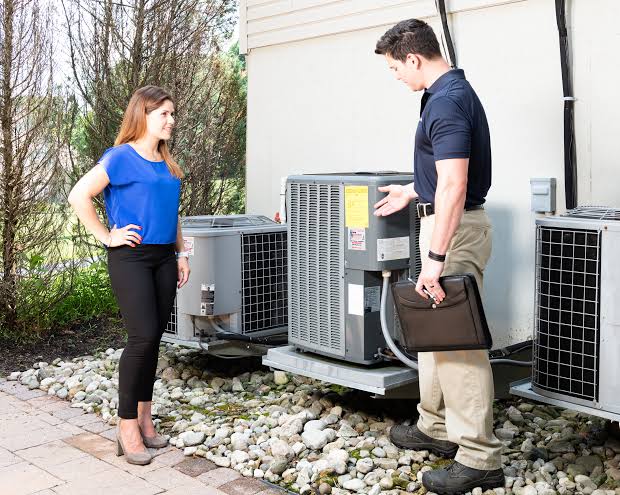
Installing a new air conditioning system is an important investment that can significantly improve indoor comfort, air quality, and energy efficiency. Whether the system is being installed in a home, office, retail space, or another type of building, proper planning is essential for achieving reliable performance. An air conditioner is not simply a unit that produces cool air; it is part of a larger system that includes electrical connections, refrigerant lines, drainage, ductwork or airflow pathways, thermostats, and other components. When these elements are properly selected and installed, the system can provide consistent cooling while operating efficiently and safely.
Professional ac installation requires careful attention to the size of the space, insulation levels, building layout, electrical requirements, airflow, equipment capacity, and expected usage. Choosing a system that is too small may cause it to run continuously without adequately cooling the space, while an oversized system can cycle on and off too frequently and may not effectively control humidity. For this reason, selecting equipment based solely on the size of the room is not always sufficient. A professional assessment can help determine the appropriate capacity and configuration for the property.
Understanding Air Conditioning Systems
Air conditioning systems work by transferring heat from an indoor environment to another location rather than simply creating cold air. Most conventional systems use a refrigeration cycle involving components such as a compressor, condenser, expansion device, and evaporator. Together, these components move heat away from the indoor space and release it outside.
Different types of air conditioning systems are available to meet different building requirements. Split systems are commonly used because they separate the indoor and outdoor components and can provide efficient cooling without requiring extensive ductwork. Central air conditioning systems distribute conditioned air through ducts and can serve multiple rooms from a single system. Ductless systems are useful when individual rooms or zones need separate temperature control, while packaged systems combine major components into a single outdoor cabinet.
Understanding the differences between these options is important before purchasing equipment. The best system depends on the building layout, available installation space, insulation, number of rooms, cooling requirements, and budget. A system designed for one type of property may not be suitable for another, so the installation process should begin with an assessment rather than simply selecting the largest or most powerful available unit.
Why Proper Installation Matters
The quality of installation can have a major influence on how efficiently and reliably an air conditioner operates. Even a high-quality unit may perform poorly if it is incorrectly sized, improperly connected, poorly positioned, or inadequately charged with refrigerant. Installation mistakes can increase energy consumption, reduce comfort, and place unnecessary stress on mechanical components.
Proper installation also helps ensure that the system operates safely. Electrical connections must be appropriate for the equipment, refrigerant lines need to be installed correctly, and condensate drainage must be arranged so that moisture does not cause damage to walls, ceilings, floors, or other building components. Airflow must also be sufficient to prevent performance problems.
Professional ac installation typically includes evaluating the property, selecting suitable equipment, preparing the installation area, connecting the system, checking operating pressures, testing controls, and confirming that the unit performs as intended. These steps help establish a reliable foundation for long-term operation.
Choosing the Right System Capacity
One of the most important decisions is selecting the correct cooling capacity. Air conditioner capacity is commonly expressed in tons or BTUs per hour, depending on the system and market. The required capacity depends on several factors rather than floor area alone.
Ceiling height, insulation quality, window size, sunlight exposure, occupancy, appliances, building orientation, and local climate conditions can all influence cooling demand. Rooms with large windows or substantial exposure to sunlight may require different cooling considerations than shaded areas. Similarly, a room containing several computers or heat-producing appliances may generate more internal heat than a room with minimal equipment.
An oversized system may appear attractive because it has greater cooling power, but larger is not necessarily better. If a system reaches the desired temperature too quickly and shuts off repeatedly, it may not run long enough to adequately remove moisture from the air. Short cycling can also place additional stress on the equipment.
An undersized system can have the opposite problem. It may operate for long periods without achieving the desired temperature, increasing energy consumption and potentially shortening the life of the equipment. Proper load assessment is therefore an important part of the selection process.
Preparing for Installation
Preparation should begin before the equipment arrives. The installer should determine where the indoor and outdoor components will be placed and confirm that there is adequate clearance for operation, maintenance, and airflow. Outdoor units need sufficient space around them so that air can circulate freely and heat can be discharged efficiently.
The indoor unit should also be positioned strategically. It should distribute conditioned air effectively throughout the room without creating uncomfortable drafts. Accessibility for future filter replacement, inspection, and servicing should also be considered.
The route for refrigerant lines, electrical cables, and condensate drainage should be planned in advance. A clean and efficient layout can reduce unnecessary bends and minimize the visual impact of exposed components. In some buildings, concealment may be possible through walls, ceilings, or dedicated covers, but such approaches should be planned carefully to maintain service accessibility.
Electrical Requirements
Air conditioning equipment can have significant electrical requirements, particularly larger systems. Before installation, the electrical supply should be evaluated to confirm that it can safely support the equipment. Circuit capacity, wiring, disconnects, breakers, grounding, and other electrical components should comply with applicable requirements.
Electrical work should be performed by appropriately qualified professionals. Incorrect wiring can cause equipment failure, electrical hazards, or damage to other components. The air conditioner should not simply be connected to an existing circuit without verifying that the circuit is suitable for the new load.
Modern systems may also include electronic controls, smart thermostats, variable-speed components, and other technology that requires correct wiring and configuration. Careful electrical preparation helps ensure that these features operate reliably.
Refrigerant Line Installation
Refrigerant lines connect the indoor and outdoor components in many split-type systems. These lines must be installed carefully because their condition can directly affect system performance. Incorrect line sizing, excessive length, poor insulation, or damaged connections can reduce efficiency and contribute to operating problems.
The lines should be properly supported and protected from physical damage. Insulation is particularly important because it helps prevent unwanted heat transfer and condensation. Connections must also be secure and checked for leaks using appropriate procedures.
Refrigerant work requires specialized equipment and training. Refrigerants should be handled responsibly and according to applicable regulations and manufacturer requirements. Attempting to modify or charge a refrigeration system without the appropriate knowledge can create safety, environmental, and performance problems.
Condensate Drainage
Air conditioning systems remove moisture from indoor air as part of the cooling process. This moisture collects as condensate and must be drained away from the equipment. Poor drainage can result in water leaks, mold growth, damaged building materials, or unpleasant odors.
The drain should be installed with the appropriate slope and configuration so that water flows away from the indoor equipment. Where gravity drainage is not practical, a condensate pump may be necessary. Drain lines should also be accessible for maintenance because blockages can develop over time.
A properly planned drainage system is a relatively small part of the overall installation, but it can prevent significant property damage. Installers should test the drainage system before considering the project complete.
Indoor Airflow and Ductwork
For central systems, ductwork plays a major role in delivering conditioned air. Poorly designed or leaking ducts can reduce efficiency and create uneven temperatures between rooms. Air may escape through gaps, damaged joints, or poorly insulated sections before reaching the intended spaces.
Ducts should be appropriately sized and routed to minimize unnecessary resistance. Insulation can help reduce heat gain or loss as conditioned air travels through areas that are not themselves conditioned. Registers and return-air grilles should also be positioned to promote effective circulation.
Even ductless systems require proper airflow planning. Indoor units should be installed where they can distribute air across the room without being blocked by furniture, curtains, partitions, or other obstacles.
Thermostat Placement
The thermostat is responsible for measuring indoor temperature and communicating with the air conditioning system. Its location can therefore have a noticeable effect on system operation.
A thermostat should generally be positioned where it can measure representative room conditions. Placing it near a heat-producing appliance, direct sunlight, draft, exterior door, or strong airflow can produce inaccurate readings. An inaccurate temperature reading may cause the system to run longer or shorter than necessary.
Modern programmable and smart thermostats can provide additional control options, including schedules, remote monitoring, and automated adjustments. However, even advanced thermostats depend on correct placement and configuration to operate effectively.
Energy Efficiency Considerations
Energy efficiency should be considered before purchasing an air conditioner because operating costs can continue for many years after installation. Modern equipment may include variable-speed compressors, efficient fans, advanced controls, and other technologies designed to reduce energy consumption.
However, equipment efficiency is only one part of the equation. Poor installation can prevent a high-efficiency system from achieving its expected performance. Incorrect refrigerant levels, restricted airflow, inadequate insulation, dirty components, and poorly designed ductwork can all affect efficiency.
Building improvements can also influence air conditioning performance. Better insulation, properly sealed windows and doors, shading, and reduced air leakage can decrease the cooling load. When the building requires less cooling, the air conditioner may operate less frequently and consume less energy.
The Installation Process
The exact installation process varies according to the equipment type, but most projects follow several general stages. The installer first evaluates the property and confirms the equipment specifications. The mounting locations are then prepared, and the indoor and outdoor components are positioned securely.
Refrigerant lines, electrical connections, control wiring, and drainage are installed according to the system design. For central systems, ductwork and registers are connected as required. Once all components are installed, the system is tested to confirm that it starts, operates, and shuts down correctly.
The installer may check temperature differences, airflow, electrical performance, refrigerant conditions, drainage, thermostat operation, and safety controls. Any unusual noise, vibration, leakage, or temperature imbalance should be investigated before the installation is considered complete.
A professional ac installation should therefore include both physical installation and functional testing. Simply mounting the equipment and turning it on does not provide assurance that the system is operating at its intended efficiency.
Common Installation Mistakes
Several installation mistakes can reduce system performance. One common issue is selecting equipment based only on room size without considering other factors affecting cooling demand. Another is placing outdoor equipment in an area where airflow is restricted.
Poor refrigerant-line installation is another concern. Lines that are incorrectly sized, poorly insulated, excessively long, or improperly connected can negatively affect performance. Drainage problems are also common when condensate lines are not installed or tested correctly.
Electrical shortcuts should never be used to speed up installation. Improper wiring can damage expensive equipment and create serious safety risks. Similarly, failing to properly secure indoor and outdoor components can result in vibration, noise, or mechanical problems.
Another frequent oversight is failing to explain system operation to the property owner. Users should understand how to operate the thermostat, replace or clean filters, recognize warning signs, and arrange routine maintenance.
Maintaining the System After Installation
Routine maintenance helps preserve cooling performance and can identify developing problems before they become expensive repairs. Air filters should be inspected and replaced or cleaned according to the equipment manufacturer’s recommendations. A dirty filter can restrict airflow and force the system to work harder.
Outdoor components should also be kept clear of leaves, dirt, debris, and other obstructions. Restricted airflow can reduce efficiency and increase operating temperatures. Indoor and outdoor coils should be inspected and cleaned when necessary.
Professional maintenance may include checking electrical connections, refrigerant conditions, airflow, drainage, controls, and other components. The frequency of maintenance depends on equipment type, operating conditions, usage, and the environment in which the system operates.
If the air conditioner begins making unusual sounds, producing inadequate cooling, cycling excessively, leaking water, or generating unusual odors, it should be inspected rather than continuously operated without investigation.
Signs That Professional Service May Be Needed
Certain symptoms can indicate that an air conditioning system requires professional attention. Uneven cooling between rooms, unexpectedly high energy consumption, frequent shutdowns, unusual noises, weak airflow, or persistent moisture around the indoor unit can all indicate potential problems.
A system that takes significantly longer than usual to cool a room may have an airflow restriction, refrigerant issue, dirty coil, failing component, or another underlying problem. Similarly, repeated circuit trips should not be ignored because they may indicate an electrical or equipment issue.
Prompt attention can help prevent a relatively small problem from developing into a more expensive failure. It can also help maintain safe and efficient operation.
Benefits of Professional Installation
Hiring qualified professionals for installation offers several advantages. Experienced technicians can evaluate the building, recommend appropriate equipment, and identify potential complications before work begins. They also have access to specialized tools required for refrigeration, electrical testing, evacuation, leak detection, and system commissioning.
Professional installation can help ensure that the equipment operates according to manufacturer specifications. It may also protect applicable warranties because some manufacturers require installation by qualified personnel.
Another important benefit is system optimization. A professional does not simply install the equipment but can verify airflow, controls, drainage, refrigerant conditions, and overall operation. This attention to detail can contribute to better comfort and more dependable performance.
When to Consider Replacing an Existing System
Sometimes installing a new system is more practical than continuing to repair an aging unit. Frequent breakdowns, declining efficiency, obsolete components, excessive operating costs, or major mechanical failures may indicate that replacement should be considered.
When replacing an existing system, it is important not to assume that the old equipment’s capacity is automatically appropriate for the new system. Building conditions may have changed, insulation may have improved, room usage may be different, or previous equipment may have been incorrectly sized.
A new assessment can help determine the appropriate capacity and configuration. It may also reveal opportunities to improve ductwork, insulation, thermostat controls, or airflow distribution as part of the replacement project.
Final Thoughts
A reliable air conditioning system begins with careful planning and quality workmanship. From selecting the correct capacity and equipment type to preparing the installation area, establishing proper electrical connections, managing refrigerant lines, and ensuring effective condensate drainage, every part of the process contributes to the final result.
Professional ac installation can help ensure that the equipment is properly matched to the building and installed according to appropriate technical requirements. Correct installation can improve comfort, support energy efficiency, reduce unnecessary mechanical stress, and provide a stronger foundation for long-term reliability.
However, installation is only the beginning. Regular filter care, professional inspections, clean airflow pathways, appropriate thermostat settings, and prompt attention to unusual symptoms can all help extend the useful life of the system. Property owners who understand the importance of both installation and maintenance are better positioned to enjoy consistent indoor comfort while avoiding preventable performance problems.
Choosing an air conditioning system should therefore be approached as a complete project rather than a simple equipment purchase. By considering the building’s cooling requirements, selecting compatible equipment, preparing the installation properly, and maintaining the system over time, it is possible to create a comfortable and efficient indoor environment that continues to perform reliably for years.

