

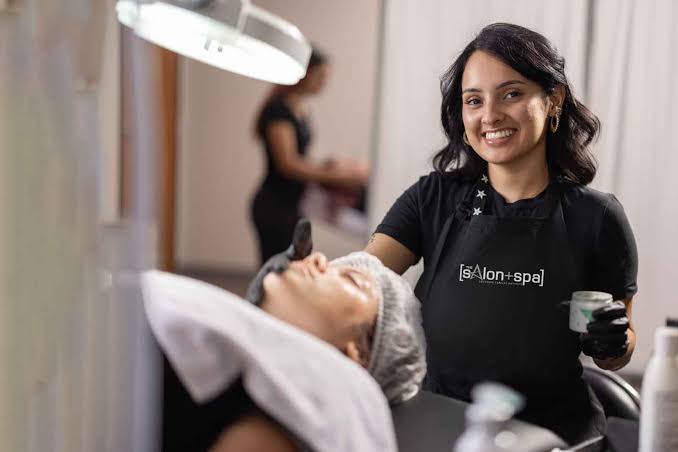
Healthy-looking skin is often the result of consistent care, appropriate products, and an understanding of individual skin needs. While daily skincare routines can help maintain the appearance and condition of the skin, professional treatments can provide additional support for concerns that may be difficult to address at home. This is where an esthetician can play an important role. Estheticians are trained skincare professionals who focus on improving and maintaining the appearance and overall condition of the skin through professional treatments, product guidance, and personalized skincare routines.
Choosing an esthetician can be useful for people who want professional guidance rather than relying entirely on trial and error. From cleansing and exfoliation to specialized facials and hair-removal services, esthetic professionals can offer a range of treatments depending on their training, qualifications, and applicable regulations. Understanding what these professionals do, what treatments they provide, and how to choose appropriate services can help clients make more informed skincare decisions.
What Does an Esthetician Do?
An esthetician generally specializes in skincare and beauty treatments designed to support the health and appearance of the skin. Their work can involve assessing visible skin characteristics, performing cosmetic treatments, recommending suitable skincare products, and educating clients about effective home-care routines. The exact services an esthetician can legally provide may vary according to local licensing requirements and professional regulations.
Unlike medical dermatology, esthetics generally focuses on cosmetic skincare rather than diagnosing or treating medical skin conditions. An esthetician may recognize that a client has a concern that requires medical attention and recommend consulting an appropriate healthcare professional. This distinction is important because persistent or serious skin problems may require diagnosis and treatment from a qualified medical provider.
A professional skincare appointment can also provide an opportunity to understand how different products and treatments affect the skin. Rather than applying numerous products without a clear purpose, clients can receive guidance on creating a routine that suits their skin characteristics and lifestyle.
Common Services Offered by Estheticians
The services available from an esthetician can vary depending on professional qualifications and the type of skincare practice. Facials are among the most familiar services and may include cleansing, exfoliation, steaming, masks, moisturizing, and other cosmetic techniques. Different facial treatments may be designed around goals such as hydration, improving the appearance of dull skin, or supporting a smoother-looking complexion.
Exfoliation is another common component of professional skincare. It involves removing dead skin cells from the surface of the skin, either through physical methods or professionally appropriate exfoliating products. When performed correctly, exfoliation can help improve the appearance and texture of the skin. However, excessive exfoliation can cause irritation, so treatments should be selected according to individual skin needs.
Hair removal is another service that may be provided by trained estheticians. Depending on their qualifications and applicable regulations, professionals may offer waxing, threading, or other cosmetic hair-removal techniques. Proper preparation, hygiene, and aftercare are important because inappropriate techniques can result in irritation or other skin reactions.
Benefits of Professional Skincare
One of the main advantages of professional skincare is personalization. Everyone’s skin is different, and a routine that works well for one person may not be appropriate for another. Skin can also change over time due to age, climate, lifestyle, hormonal changes, product use, and environmental exposure.
An esthetician can examine the visible condition of the skin and discuss the client’s concerns before recommending appropriate cosmetic treatments. This can make professional skincare more targeted than simply selecting products based on advertising claims or general popularity.
Professional treatments can also provide a structured approach to skincare. Instead of repeatedly switching between products, clients can learn how different steps fit into a consistent routine. Establishing realistic expectations is equally important because skincare improvements often require time and consistency rather than a single treatment.
Understanding Different Skin Types
Skincare professionals often consider characteristics such as dryness, oiliness, sensitivity, and combination patterns when discussing skincare routines. Someone with dry-feeling skin may need greater emphasis on gentle cleansing and moisturization, while someone with an oily complexion may prefer products designed to reduce excess surface oil without excessively drying the skin.
Sensitive skin requires particular care because aggressive treatments or heavily fragranced products may cause irritation. Clients should communicate any known sensitivities, allergies, previous reactions, or current skincare products before undergoing a treatment.
Combination skin can present different characteristics in different areas of the face. A person may experience oiliness around the forehead and nose while other areas feel relatively dry. Professional guidance can help create a routine that addresses these differences without applying unnecessarily harsh treatments to the entire face.
The Importance of a Skincare Consultation
A consultation can be one of the most valuable parts of a professional skincare appointment. Before performing a treatment, an esthetician may ask about the client’s skincare routine, concerns, sensitivities, allergies, and previous treatments. This information can help determine which services may be appropriate.
Clients should be open about the products they use and any reactions they have experienced. Certain ingredients and treatments may not be suitable together, and some procedures may need to be postponed depending on the client’s circumstances.
A consultation is also a good time to discuss expectations. Professional skincare can improve the appearance of the skin, but no cosmetic treatment can guarantee perfect or permanent results. Clear communication helps clients understand what a treatment is intended to accomplish and what kind of aftercare may be necessary.
Facial Treatments and Their Role in Skincare
Facials can vary considerably depending on the products, techniques, and equipment used. A basic facial may involve cleansing, exfoliation, massage, a mask, and moisturization. More specialized services may incorporate additional cosmetic techniques.
The purpose of a facial is generally to improve the appearance and feel of the skin while providing a relaxing professional experience. Some clients may notice temporary improvements in hydration or smoothness after treatment, while ongoing skincare routines can help maintain results.
The frequency of professional facials should depend on individual skin needs and the specific treatment being performed. More frequent treatments are not automatically better. Skin can become irritated when subjected to excessive exfoliation or aggressive procedures, so a balanced approach is generally preferable.
Hygiene and Professional Standards
Hygiene is a critical part of professional skincare. Tools, treatment surfaces, towels, applicators, and other materials should be handled according to appropriate sanitation procedures. Professionals should also follow relevant regulations and workplace standards.
Clients should feel comfortable asking about hygiene practices when visiting a new skincare professional. Clean work areas, appropriate protective measures, properly maintained equipment, and careful handling of products all contribute to a professional treatment environment.
Patch testing may also be appropriate for certain products or treatments, depending on the ingredients and procedure. Clients should follow professional instructions and report any unusual reactions promptly.
Esthetician Versus Dermatologist
An esthetician and a dermatologist have different roles and areas of expertise. Estheticians generally focus on cosmetic skincare and beauty treatments, while dermatologists are medical doctors specializing in the diagnosis and treatment of conditions involving the skin, hair, and nails.
A client may benefit from seeing an esthetician for routine cosmetic skincare, facials, hair removal, and product guidance, depending on the professional’s qualifications. However, concerns such as persistent rashes, unexplained lesions, severe acne, infections, significant pigmentation changes, or other potentially medical conditions may require evaluation by a qualified healthcare professional.
The two professions can sometimes complement one another. A person receiving medical treatment for a skin condition may also seek cosmetic skincare services when appropriate, but professional responsibilities and treatment limitations should remain clear.
Building an Effective Home Skincare Routine
Professional treatments are only one part of maintaining the appearance of the skin. A consistent home routine can be equally important. Basic skincare commonly involves cleansing, moisturizing, and protecting the skin from excessive sun exposure.
The appropriate products depend on individual needs. A gentle cleanser can remove surface dirt, oil, and makeup without unnecessarily irritating the skin. Moisturizers can support the skin barrier and reduce dryness. Sun protection is also an important part of maintaining the appearance of the skin and reducing the effects of ultraviolet exposure.
An esthetician can help clients understand how different products fit into their routine. However, clients should avoid introducing numerous new products simultaneously because it can make it difficult to determine which product is responsible if irritation occurs.
Choosing the Right Professional
Selecting an experienced and appropriately qualified skincare professional is an important decision. Clients should consider training, licensing where applicable, hygiene standards, treatment experience, and the range of services offered.
It can also be useful to ask questions before booking a treatment. Clients may want to know what products will be used, how the procedure works, what preparation is required, and what aftercare is recommended. A professional should be willing to explain the treatment clearly rather than making unrealistic promises.
Good communication is particularly important for people with sensitive skin or a history of reactions. Providing accurate information about allergies and previous experiences allows the professional to make more appropriate decisions.
Maintaining Realistic Expectations
Skincare marketing can sometimes create unrealistic expectations about how quickly treatments can change the appearance of the skin. In reality, many cosmetic improvements require consistent care over time. Factors such as genetics, age, lifestyle, environmental exposure, and existing skin conditions can all affect results.
An esthetician can help establish practical skincare goals and recommend treatments that align with those goals. However, professional services should be viewed as part of a broader skincare strategy rather than a guaranteed solution for every concern.
Consistency often matters more than constantly changing treatments. A simple routine that is suitable for the individual and followed regularly may be more useful than an extensive routine that causes irritation or is difficult to maintain.
Final Thoughts
Professional skincare can be a valuable addition to a personal beauty and self-care routine. An esthetician can provide cosmetic treatments, skincare education, product guidance, and personalized recommendations based on visible skin characteristics and individual preferences. Services may include facials, exfoliation, hair removal, moisturizing treatments, and other cosmetic procedures, depending on professional training and applicable regulations.
The most effective approach combines professional guidance with appropriate daily care. Clients should choose qualified professionals, communicate openly about their skin and product history, understand treatment limitations, and maintain realistic expectations about results. When a concern appears medical rather than cosmetic, seeking advice from an appropriate healthcare professional is also important.
With thoughtful treatment choices, good hygiene, consistent home care, and professional guidance when needed, skincare can become a manageable and rewarding part of a broader self-care routine.

