

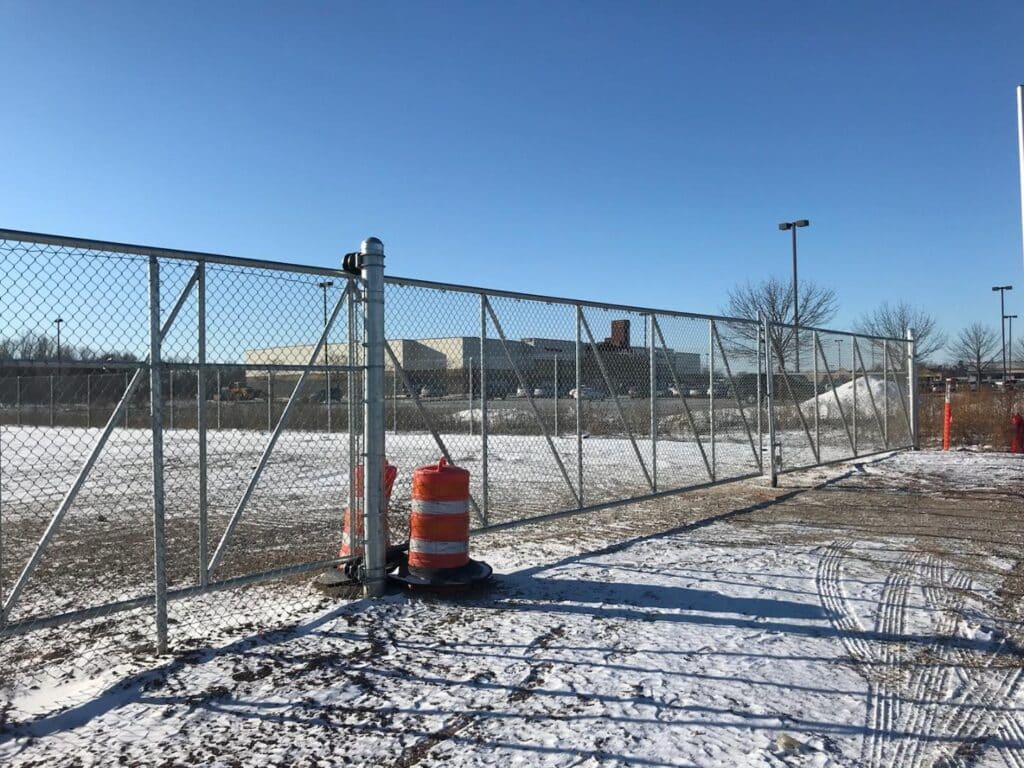
Commercial properties require fencing that can do far more than simply mark the edge of a site. A properly planned fence can help control access, protect valuable assets, improve privacy, organize vehicle and pedestrian movement, and create a professional appearance. Because commercial properties often experience heavier traffic and more demanding operating conditions than residential spaces, their fencing systems need to be selected and installed with durability, functionality, and long-term maintenance in mind. Commercial fence installation provides businesses with an opportunity to create a boundary system that is designed around the property’s specific security requirements, layout, and daily operations rather than relying on a generic solution.
The right fence can become an important part of a property’s overall security strategy. Warehouses, offices, retail facilities, industrial sites, storage yards, educational facilities, and other commercial properties may have different requirements for visibility, access control, privacy, and protection. Some properties may need a highly visible perimeter that discourages unauthorized access, while others may require a more private barrier around equipment, inventory, or restricted areas. Choosing the appropriate material, height, configuration, gates, and access-control features can make a significant difference in how effectively the fence serves its purpose.
Understanding the Purpose of Commercial Fencing
The first step in planning a commercial fence is identifying what the fence needs to accomplish. Security is an obvious consideration, but it is rarely the only one. A commercial fence may also be used to define property boundaries, separate employees from visitors, protect loading areas, control vehicle traffic, or prevent unauthorized parking.
Different parts of the same property may require different fencing solutions. A highly visible perimeter fence may work well along the main boundary, while a more substantial privacy fence may be appropriate around storage areas. Decorative fencing can be used near public-facing entrances to create a more welcoming appearance, while stronger security fencing can protect sensitive areas.
Understanding these objectives before selecting materials helps prevent costly changes later. The fence should be designed around actual property use rather than simply choosing a style based on appearance.
Selecting the Right Fence Material
Material selection is one of the most important decisions in a commercial fencing project. Common options include chain link, steel, aluminum, ornamental metal, wood, and specialized security fencing. Each material offers different advantages related to strength, appearance, maintenance, privacy, and cost.
Chain-link fencing is often selected for commercial properties because it can provide a practical perimeter without completely blocking visibility. It can be configured with different heights, coatings, and security enhancements depending on the application.
Steel fencing can provide substantial strength and may be suitable for areas where impact resistance and security are important. Depending on the design, steel can also provide a professional appearance that works well around commercial buildings.
Aluminum is lightweight and can offer an attractive appearance with relatively low maintenance requirements. It may be particularly suitable for entrances or public-facing areas where appearance is important.
Wood fencing can provide privacy and a more traditional appearance, although it generally requires more ongoing maintenance than some metal alternatives. The appropriate choice depends on the property’s operating environment and the owner’s long-term priorities.
Evaluating Security Requirements
Commercial fencing should be selected according to the level of security required. A simple boundary fence may be appropriate for a property where the primary purpose is defining the site, while a more advanced system may be necessary for facilities containing valuable equipment, inventory, vehicles, or sensitive materials.
Fence height can influence the level of deterrence and privacy provided. Stronger posts, reinforced construction, anti-climb features, and specialized gates may also be incorporated where appropriate.
However, a fence should not be viewed as a standalone security solution. Lighting, surveillance cameras, access-control systems, alarms, gates, and site design can all work together to create a more comprehensive security strategy.
Visibility is another consideration. Some businesses may want employees or security personnel to maintain clear views through the perimeter, while others may prioritize privacy. The appropriate balance depends on the nature of the property.
Planning Commercial Gate Access
Gates are often one of the most important components of a commercial fencing system because they determine how vehicles and pedestrians enter and leave the property. The gate configuration should reflect the types and frequency of traffic expected.
Vehicle gates need sufficient width and clearance for the largest vehicles that will regularly use the entrance. Delivery trucks, service vehicles, employee cars, and emergency vehicles may all have different requirements.
Pedestrian gates should be positioned conveniently while keeping unauthorized access controlled. Where necessary, gates can incorporate electronic access systems, keypads, card readers, intercoms, or other technologies.
Automated gates can be particularly useful for properties with frequent vehicle traffic. However, the operator must be appropriately sized for the gate and installed with suitable safety features. Manual access should also be considered in case of power failure or system malfunction.
Considering Property Layout and Traffic Flow
A commercial fence should support the way a property operates rather than interfere with it. Before installation, the entire site should be evaluated to determine how vehicles, employees, visitors, deliveries, and emergency services move through the property.
Poorly positioned fencing can create unnecessary bottlenecks or make loading and unloading difficult. Gates should be located where they provide efficient access without creating conflicts between different types of traffic.
The fence layout should also account for parking areas, loading docks, storage yards, pedestrian walkways, dumpsters, utility equipment, and other site features. Planning the fence as part of the entire property layout can improve both security and daily efficiency.
Measuring and Preparing the Site
Accurate measurements are essential for a successful installation. The installer needs to determine the total fence length, corner locations, gate openings, changes in elevation, existing structures, and other physical conditions.
The ground should also be evaluated before posts are installed. Soil conditions, slopes, drainage, pavement, concrete surfaces, and underground utilities can all affect the installation process.
For large commercial properties, even small measurement errors can become significant when repeated across hundreds or thousands of feet of fencing. A detailed site assessment helps identify potential obstacles before construction begins.
Underground utilities should be located before excavation starts. This is particularly important when installing deep fence posts or gate foundations.
Designing for Durability
Commercial fencing often experiences frequent use and exposure to weather, equipment, vehicles, and other physical stresses. Durability should therefore be considered throughout the design process.
Posts, rails, panels, fasteners, hinges, latches, and gates should be selected according to the expected level of use. Heavy-duty components may be necessary for high-traffic entrances or industrial environments.
Protective finishes can also extend the useful life of metal fencing. Galvanizing, powder coating, painting, or other appropriate treatments can help protect materials from environmental exposure.
A durable fence may have a higher initial cost than a basic alternative, but the long-term value can be greater if it requires fewer repairs and replacements.
Managing Privacy Requirements
Some businesses need open visibility around the property, while others need substantial privacy. Privacy fencing can help shield equipment, storage areas, employee spaces, waste management areas, or sensitive operations from public view.
Solid panels, privacy slats, screening materials, and other configurations can be used depending on the fence type. However, privacy should not compromise necessary visibility for vehicles, security personnel, or emergency access.
A balanced approach may involve using privacy fencing only around selected areas while maintaining open fencing elsewhere. This can provide privacy where it is needed without making the entire property visually enclosed.
Considering Appearance and Brand Image
A commercial fence contributes to the visual identity of a property. Visitors often see the fence and entrance before they interact with the building, so appearance can influence the overall impression of the business.
A clean, well-maintained fence can make a property look organized and professionally managed. Decorative metal fencing may be suitable for offices, hospitality facilities, or other customer-facing businesses, while practical security fencing may be more appropriate for industrial or storage properties.
Colors and finishes can also be selected to complement the building. Coordinating the fence with exterior walls, gates, signage, and landscaping can create a cohesive appearance.
The goal should be to balance appearance with the property’s actual operational requirements.
Addressing Slopes and Uneven Ground
Not every commercial property has flat terrain. Sloped or uneven ground can affect fence installation, gate operation, and the final appearance of the perimeter.
Depending on the slope, fencing may need to be stepped, racked, or otherwise configured to follow the terrain. Gates require particular attention because their movement can be affected by changes in elevation.
Site grading should also be considered because water can accumulate around fence posts or foundations if drainage is not properly addressed. A professional site assessment can help determine the most appropriate installation approach.
Coordinating Fencing With Security Technology
Modern commercial fencing can work alongside electronic security systems. Cameras can monitor entrances and perimeter areas, while access-control systems can determine who is permitted to enter.
Motion detection, lighting, alarms, and other technologies may also complement the physical barrier. The fence provides the physical boundary, while electronic systems can provide monitoring and access information.
Technology should be selected according to actual security requirements. Not every commercial property needs an elaborate system, and excessive complexity can create additional maintenance requirements.
The most effective approach is generally one in which the physical fence and electronic security measures work together without creating unnecessary operational complications.
Installation and Construction Process
The installation process typically begins with site preparation and marking. Fence lines, corners, gate openings, and post locations are established before excavation begins.
Posts are then installed according to the selected fencing system and site conditions. Once the supporting structure is secure, rails, panels, mesh, boards, or other fencing components can be attached.
Gates require careful alignment because they must move smoothly and close securely. Hinges, rollers, locks, latches, and automated operators need to be installed according to their specifications.
After installation, the fence should be inspected for alignment, stability, clearance, hardware operation, and overall finish. Gates should be tested repeatedly to confirm that they function properly under normal conditions.
Maintaining a Commercial Fence
Regular maintenance can significantly extend the service life of a commercial fence. Inspections should identify damaged panels, loose fasteners, corrosion, leaning posts, broken hinges, and other issues before they become more serious.
Vegetation should be controlled around the fence line. Overgrown plants can put pressure on fencing materials, obstruct visibility, and make inspection more difficult.
Gate hardware deserves particular attention because moving components typically experience more wear than stationary sections. Hinges, rollers, locks, and automated operators should be inspected and maintained according to the manufacturer’s recommendations.
Prompt repairs are usually preferable to allowing small problems to develop into major structural failures.
Avoiding Common Commercial Fencing Problems
Several mistakes can reduce the performance of a commercial fence. One common problem is selecting a fence based primarily on appearance without considering security, traffic, maintenance, or environmental conditions.
Another issue is inadequate post support. Even strong fencing materials can fail if the supporting structure is not appropriate for the site’s conditions.
Poor gate planning can also create operational problems. Gates that are too narrow, poorly positioned, or difficult to operate can interfere with daily business activities.
Ignoring drainage, slopes, underground utilities, or future property changes can create additional complications. A comprehensive planning process can help identify these issues before installation begins.
Planning for Future Expansion
Commercial properties often change over time. Businesses may expand storage areas, add parking, construct new buildings, or modify traffic patterns. A fencing system should ideally allow for future adjustments where practical.
Modular fencing components can sometimes make expansion easier because additional sections can be added without replacing the entire perimeter. Gate locations should also be considered with future access requirements in mind.
Planning for potential changes does not mean predicting every future development. Instead, it means avoiding a layout that unnecessarily restricts reasonable expansion or modification.
Long-Term Value of Professional Installation
The value of a commercial fence extends beyond its initial appearance. A properly installed system can help establish boundaries, improve access control, protect property, support operational organization, and contribute to a professional image.
Professional installation can also help ensure that posts, gates, hardware, and fencing materials are appropriately matched to the property’s conditions. Proper alignment and secure installation can reduce premature repairs and improve everyday reliability.
For businesses, reliability is especially important because fencing problems can affect access, security, appearance, and daily operations simultaneously. Investing in appropriate planning and workmanship can therefore provide value throughout the life of the system.
Conclusion
Commercial fencing is an important part of many properties because it can combine security, access control, privacy, organization, and visual appeal within one boundary system. The right solution depends on the property’s purpose, traffic patterns, security requirements, terrain, materials, maintenance expectations, and future needs.
Successful commercial fence installation begins with careful planning rather than simply selecting a fence style. Site measurements, soil conditions, drainage, gate access, security technology, material durability, and property layout should all be evaluated before construction begins. A well-designed system can provide reliable performance while supporting the way a business operates every day.
With appropriate material selection, strong supporting structures, properly planned gates, professional installation, and regular maintenance, a commercial fence can remain functional and attractive for many years. The most effective fencing solutions are those that balance security and practicality with the appearance and operational requirements of the property, creating a durable boundary that serves the business well over the long term.

