

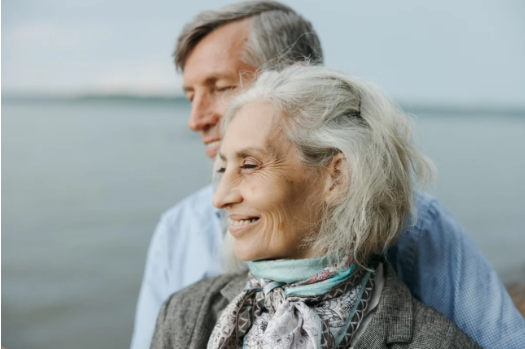
A portrait for a fiftieth wedding anniversary is not just another family photo. It will be framed, copied for every branch of the family and kept for decades. The pressure to make it perfect is understandable.
Fifty years show in a face, and that is part of what the portrait celebrates. A wrinkle remover app makes it tempting to smooth every line, but the more respectful approach starts with a question to the people in the picture and ends with an edit they would recognize as themselves.
Ask Them First
Older relatives often have firm opinions about their own photos, and are not always asked. A short conversation before the shoot, or before editing, avoids both a portrait they find too harsh and one they find unrecognizable. Useful questions include:
- is there anything about this photo that bothers you?
- would you like to look rested, or exactly as you are today?
- are there features you want kept, such as a scar or laugh lines?
- do you have an older portrait you liked, as a reference?
The answers often surprise the family, and they make every later decision easier. Asking also shows the couple that the portrait is theirs, not just the family’s.
What to Soften and What to Keep
Some marks come from the day rather than the person: dark circles after a long trip, redness from the cold, a deep shadow from a lamp directly overhead. Softening these makes the portrait truer to how they look on a good day.
Expression lines are different. The creases around the eyes when they smile, the lines across the forehead: these are character, and removing them can make a familiar face look strangely blank. Laugh lines are part of the face the family knows.
Light Does Half the Work
Much of what looks like a need for retouching is really a lighting problem. Hard overhead light carves every line deeper, while soft light from the side or in front, such as a large window on an overcast day, fills creases gently.
Placing the couple near a window, with a white sheet or wall reflecting light back from the other side, often produces a portrait that needs very little editing. A slight raise in camera height helps too, because it softens the neck and jawline naturally. Ask the couple to sit close, shoulders touching, which usually makes the portrait look warmer.
Then and Now, Side by Side
Some families pair the anniversary portrait with the couple’s original wedding photo. Seen together, the two images tell a story that neither tells alone, and the lines in the new portrait become part of that story rather than something to hide.
If the old wedding photo is damaged, restoring it first and then editing both images in a similar style makes the pair feel deliberate. Matching the crop, the framing and the tone of black-and-white or color helps the two images read as one piece. A shared frame or a two-page spread in an album works especially well.
The portrait is a record of a marriage, not a beauty shot. Ask the couple what they want, light them kindly, soften only what belonged to that day, and the family will have a picture that looks like the people they know.

