

Water accumulation is one of the most common concerns for properties with basements, crawl spaces, or areas located below ground level. Heavy rain, rising groundwater, poor drainage, foundation leaks, and plumbing problems can allow water to enter areas where it can cause serious damage. A reliable drainage system can help manage this risk, and one of the most important components of such a system is a sump pump. Designed to collect and remove unwanted water, a properly installed and maintained pump can help protect a property from flooding, moisture-related deterioration, mold growth, and costly repairs.
Understanding how a sump pump works is useful for any property owner who has a basement or another area vulnerable to water intrusion. The system may appear relatively simple, but its performance depends on several components working together correctly. The pump itself, sump basin, discharge pipe, check valve, float or pressure sensor, power supply, and backup system can all influence reliability. Regular inspection and maintenance are equally important because a pump that is rarely tested may fail when it is needed most.
Understanding What a Sump Pump Does
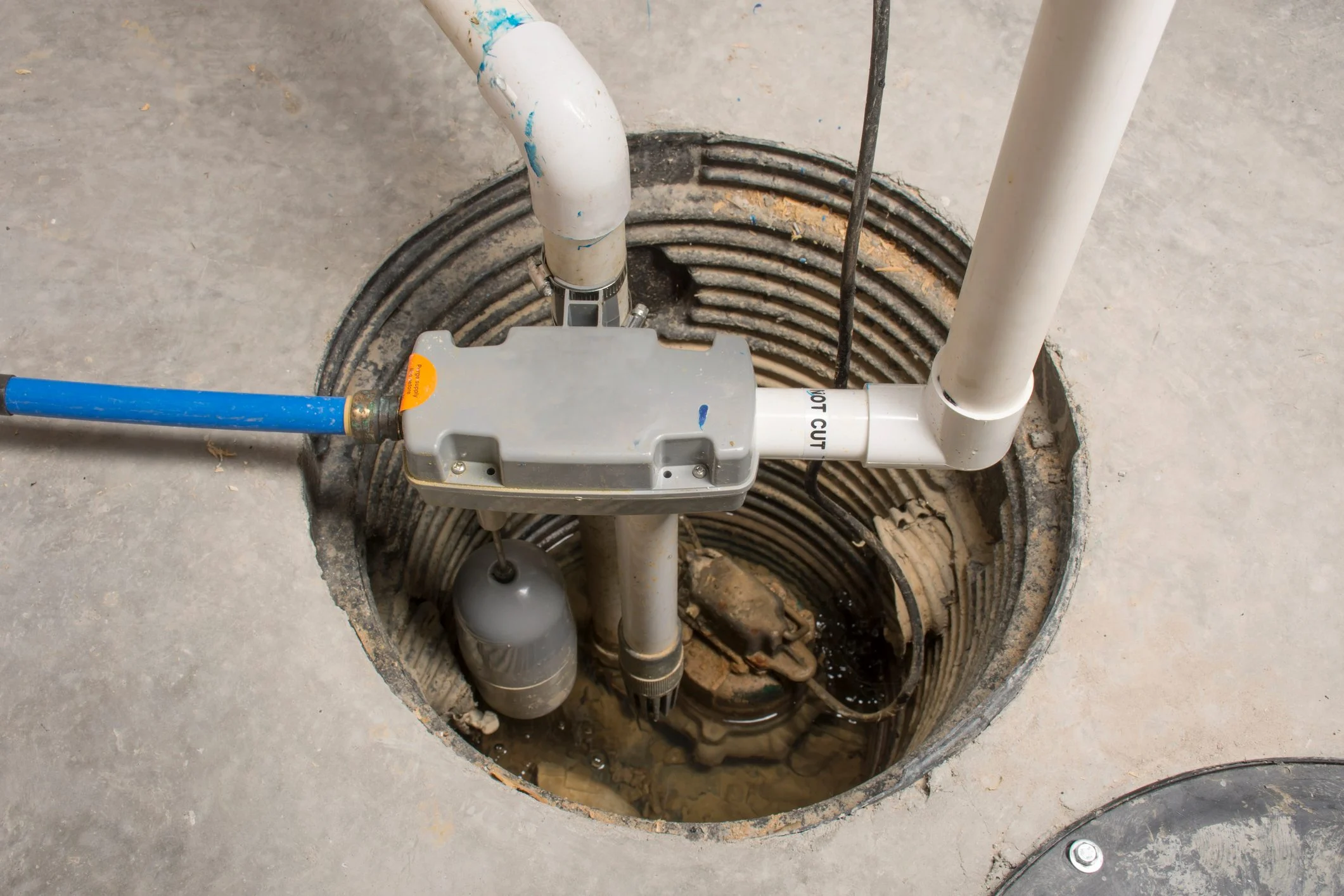
A sump pump is a mechanical device designed to remove water that collects in a designated sump basin. The basin is generally positioned at the lowest point of an area where groundwater or other unwanted water is likely to accumulate. As water enters the basin, it rises until a sensor or float activates the pump.
Once activated, the pump moves water through a discharge pipe and directs it away from the building. The goal is to prevent water from reaching a level where it can spread across the basement floor or enter other vulnerable areas.
The system is particularly valuable during periods of heavy rainfall or when groundwater levels rise. However, its effectiveness depends on proper installation, suitable capacity, and a clear discharge route. A pump cannot compensate for every type of drainage problem, so it should be considered one part of a broader water-management strategy.
Why Basement Water Protection Matters
Water entering a basement can create both immediate and long-term problems. Even a relatively small amount of standing water can damage flooring, furniture, stored belongings, electrical equipment, and wall finishes. Persistent moisture can create conditions that support mold and mildew growth.
Water can also affect structural materials. Repeated exposure to moisture may contribute to deterioration of wood, drywall, insulation, flooring, and other materials. If water reaches electrical components, the situation can become particularly hazardous.
Preventing water accumulation is generally preferable to dealing with extensive damage after flooding occurs. A properly designed drainage system can help reduce the likelihood of severe water-related problems and provide property owners with greater confidence during wet weather.
How the Sump System Works
A typical system begins with a sump basin installed below or near the lowest level of the area being protected. Water can enter the basin through drainage channels, perforated pipes, groundwater seepage, or other collection methods.
As the water level rises, a float switch or electronic sensor detects the change. The pump motor then starts and activates an impeller or similar mechanism that pushes water through the discharge line.
The discharge pipe carries water away from the foundation. The outlet should be positioned so that water does not simply flow back toward the building. If the discharge arrangement is poorly designed, the system may repeatedly pump the same water or allow water to return to the foundation area.
A check valve can help prevent discharged water from flowing backward through the pipe when the pump stops.
Choosing the Right Pump
Not every pump is suitable for every property. Capacity, pumping height, discharge distance, basin size, expected water volume, and power requirements should all be considered.
Pump capacity is often described in gallons per minute, but the actual performance depends on how far and how high the water must be moved. A pump that performs well under low resistance may move significantly less water when it has to push water vertically through a long discharge pipe.
The pump should therefore be selected according to the property’s specific drainage conditions rather than relying solely on a manufacturer’s maximum rating.
A professional can assess the expected water volume and discharge requirements to determine an appropriate pump size. Choosing a pump that is too small can lead to inadequate water removal, while an unnecessarily oversized system may increase operating costs and cycling frequency.
Primary and Backup Systems
A primary pump can provide effective protection when it is properly installed and maintained, but relying on a single system may leave a property vulnerable if the pump fails.
Power outages are an important concern because severe storms can interrupt electrical service at the same time that heavy rainfall increases the demand on the drainage system. A backup system can provide additional protection under these circumstances.
Battery-powered backup pumps are one option. These systems can activate when the primary pump loses power or cannot keep up with incoming water. The battery should be inspected regularly because its condition directly affects the backup system’s reliability.
Other backup solutions may use alternative power sources or additional pumping capacity. The appropriate setup depends on the property’s water risk and the reliability of the primary electrical supply.
The Importance of Proper Installation
A sump pump can only perform effectively when the entire system is installed correctly. The basin should be positioned at an appropriate low point, and the surrounding drainage system should direct water toward it.
The pump must be securely positioned and connected to an appropriately sized discharge pipe. Connections should be checked for leaks, while the discharge route should provide a clear path away from the structure.
Electrical connections also require attention. Water and electricity create significant safety risks, so electrical components should be installed according to applicable requirements and handled by qualified professionals when necessary.
Improper installation can lead to excessive cycling, inadequate pumping, discharge problems, leaks, or premature equipment failure.
Understanding Float Switches
Many traditional pumps use float switches to determine when the water level has risen enough to activate the motor. As water enters the basin, the float rises. Once it reaches a predetermined level, the pump starts.
When the water level drops, the float moves downward and switches the pump off.
Float switches are simple but important components. If a switch becomes trapped against the basin wall, pump, pipe, or other object, it may fail to move freely. This can prevent the pump from activating or cause it to run continuously.
Some modern systems use electronic sensors instead of mechanical floats. These systems can provide different operating characteristics, but they still require appropriate maintenance and testing.
Protecting the Discharge Line
The discharge pipe is just as important as the pump because it determines where the removed water goes. A blockage in the pipe can prevent the system from removing water effectively even when the pump motor is operating normally.
The discharge outlet should be positioned away from the foundation whenever possible. Water should not be directed toward areas where it can flow back into the building.
In colder conditions, exposed sections of discharge piping may be vulnerable to freezing. A blocked discharge line can cause water to back up into the sump basin, potentially leading to flooding.
Regularly inspecting the discharge route can help identify blockages, damage, or other problems before they interfere with pump operation.
Common Causes of Pump Failure
Several issues can cause a pump to stop working or perform poorly. Power failure is one of the most obvious possibilities, but mechanical and installation problems are also common.
A clogged intake can restrict water flow. A blocked discharge line can prevent water from leaving the system. A stuck float can stop the pump from activating correctly. Electrical faults can prevent the motor from starting.
The pump itself can also wear out over time. Bearings, seals, switches, impellers, and other components may eventually require replacement.
Regular testing can help identify these problems before an emergency occurs. Simply assuming that the pump is working because it has worked in the past can create unnecessary risk.
Maintaining the System
Routine maintenance is one of the best ways to support reliable operation. The sump basin should be inspected for dirt, debris, sediment, or objects that could interfere with the pump.
The pump should be tested periodically by adding an appropriate amount of water to the basin and observing whether it activates and removes the water correctly. The float or sensor should also be checked to ensure it moves or responds as intended.
The discharge pipe should be inspected for obstructions and signs of damage. Electrical connections should be checked for visible problems, although electrical repairs should be handled by qualified professionals.
Backup systems require their own maintenance schedule. Batteries should be tested and replaced according to the manufacturer’s recommendations.
Recognizing Signs of Trouble
A pump may provide warning signs before it fails completely. Unusual noises, excessive vibration, frequent cycling, slow water removal, or continuous operation can indicate a developing problem.
A pump that runs much more frequently than usual may be responding to increased groundwater levels, a change in drainage conditions, or a malfunctioning switch.
Grinding or rattling sounds may suggest mechanical wear or debris. A pump that runs but does not remove water effectively may have an obstructed intake, damaged impeller, or discharge problem.
Ignoring these signs can increase the chance of failure during heavy rainfall. Prompt inspection can help identify the cause and determine whether repair or replacement is appropriate.
Replacing an Aging Pump
Even a well-maintained pump will eventually reach the end of its useful life. Replacement should be considered when repair becomes frequent, performance declines, or important components become unreliable.
When replacing a pump, the new system should be evaluated according to current property conditions rather than simply choosing a direct replacement. Changes to the basement, drainage system, landscaping, or discharge route may affect the appropriate equipment.A replacement is also an opportunity to evaluate whether a backup pump or improved alarm system would provide additional protection.
A battery backup can be particularly useful during storms because power outages may occur at the same time as heavy rainfall. The backup pump can continue removing water even when the primary electrical supply is unavailable, depending on the system design and battery capacity.
Battery condition is critical. A backup pump with a depleted or damaged battery may provide little protection when an outage occurs.
Some systems provide alarms when the primary pump fails, the water level becomes unusually high, or the battery requires attention. These notifications can help property owners respond before the situation becomes more serious.
Integrating Other Drainage Measures
A pump should not be the only defense against water intrusion. Proper grading, gutters, downspouts, foundation drainage, waterproofing, and surface-water management can all reduce the amount of water reaching the foundation.
Gutters should carry roof water away from the building, while downspouts should discharge water at appropriate locations. Poorly positioned downspouts can send large quantities of water directly toward the foundation.Exterior grading should also encourage surface water to move away from the building rather than collecting against foundation walls.When multiple drainage measures work together, the sump system may not have to handle as much incoming water.
Safety Considerations
Because sump systems operate in areas where water and electricity may be present, safety should always be a priority. Electrical connections should be installed appropriately, and damaged cords or outlets should not be used.
Property owners should avoid reaching into standing water around electrical equipment. If there is any uncertainty about electrical safety, a qualified professional should inspect the situation.Children should also be kept away from open sump basins and mechanical equipment. Covers can help reduce the risk of accidental falls while also limiting debris from entering the basin.
Professional inspection can be valuable when a system is difficult to access, frequently activates, shows signs of failure, or has experienced a flooding event. A technician can evaluate the pump, basin, discharge system, electrical components, and backup equipment.
Professional service is also appropriate when installation changes are needed. Installing a new basin, modifying drainage pipes, replacing electrical components, or changing the discharge system can involve technical considerations that should be handled correctly.A professional assessment can help determine whether a problem is isolated to the pump or connected to a larger drainage issue.
Long-Term Benefits of Reliable Water Management
A dependable sump system can provide more than immediate flood protection. By controlling water accumulation, it can help protect finished spaces, stored belongings, flooring, walls, and other valuable property.
It may also reduce the likelihood of persistent moisture conditions that contribute to unpleasant odors and material deterioration. When combined with proper exterior drainage and foundation maintenance, a reliable pumping system can become an important part of long-term property protection.The goal is not simply to remove water after it appears but to create a coordinated system that manages water efficiently and reduces the likelihood of serious accumulation.
Conclusion
A sump pump is an important component of basement and foundation water management for properties that are vulnerable to groundwater or surface-water intrusion. By collecting water in a dedicated basin and directing it away from the building, the system can help reduce the risk of flooding and moisture-related damage.
Choosing the appropriate equipment, installing it correctly, maintaining the basin and discharge line, and testing the system regularly are all essential for dependable performance. A backup system can provide additional protection when power outages or primary equipment failures occur, while proper grading, gutters, downspouts, and foundation drainage can reduce the amount of water reaching the pump in the first place.
The most effective approach to water management combines several protective measures rather than relying on a single device. With proper planning, regular inspections, timely repairs, and professional assistance when needed, a sump pump can provide valuable protection and help maintain a safer, drier, and more usable below-ground space for years to come.

