

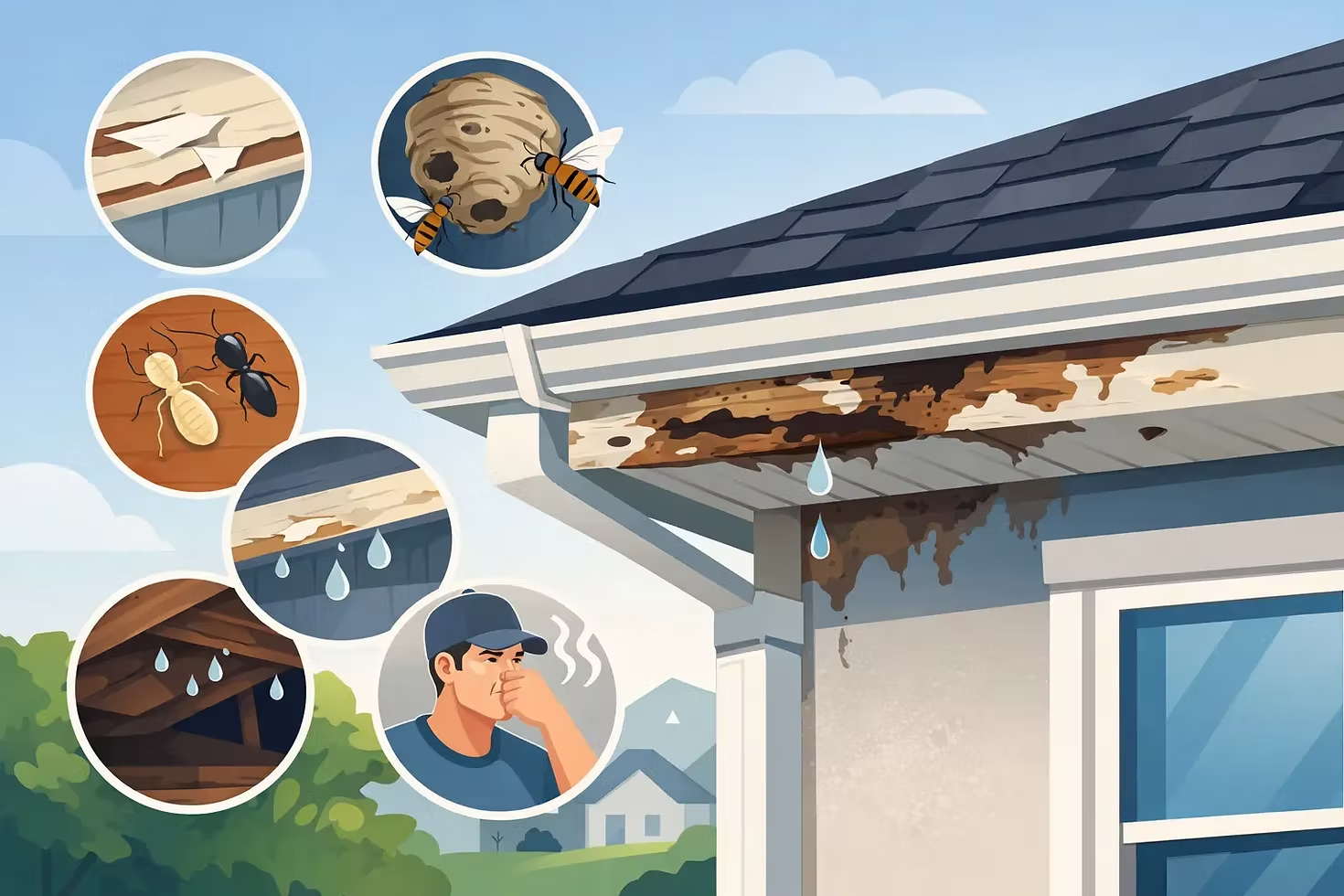
Soffits are an important but often overlooked part of a building’s exterior. Located beneath the roof overhang, they help protect the underside of the roof while supporting proper ventilation and contributing to the overall appearance of the property. Although soffits may not receive as much attention as roofing materials, gutters, or siding, damaged or deteriorating soffits can create problems that extend beyond appearance. Moisture intrusion, pest activity, poor attic ventilation, and deterioration of surrounding materials can all become concerns when soffits are not maintained properly.
Over time, exposure to rain, snow, humidity, sunlight, wind, insects, and temperature changes can cause soffit materials to deteriorate. Cracks, holes, sagging sections, peeling finishes, staining, and visible rot are all signs that repairs or replacement may be necessary. In some cases, a small damaged section can be repaired, while extensive deterioration may make complete replacement a more practical solution. Understanding the purpose of soffits, the causes of damage, and the replacement process can help property owners make informed decisions about maintaining their roofline.
Professional soffit replacement involves more than removing damaged panels and attaching new material. The condition of the underlying structure, ventilation openings, fascia, roof edge, insulation, and adjacent components should also be evaluated. Addressing these areas during the project can help prevent recurring problems and improve the long-term performance of the roof system.
What Is a Soffit?
A soffit is the material installed beneath the overhanging portion of a roof. It creates a finished surface between the exterior wall and the roof edge while helping protect structural components from weather exposure. Soffits can be made from several materials, including vinyl, aluminum, wood, fiber cement, and composite products.
Many soffits include ventilation openings. These openings allow fresh air to enter the attic or roof assembly, helping support airflow through the space. Proper ventilation can reduce excessive heat and moisture accumulation, which may otherwise contribute to condensation, mold growth, insulation problems, and premature deterioration of roofing components.
Because soffits sit in an exposed but somewhat sheltered position, problems can sometimes go unnoticed. Damage may not become obvious until panels begin sagging, discoloring, cracking, or separating from the surrounding structure. Regular inspection can help identify deterioration before it becomes more extensive.
Why Soffits Are Important
Soffits serve both functional and aesthetic purposes. From a functional perspective, they help protect the underside of roof overhangs from rain, insects, birds, and debris. They can also contribute to attic ventilation when properly designed with intake openings.
From an aesthetic standpoint, soffits provide a clean transition between the roof and exterior walls. Damaged or mismatched panels can make an otherwise well-maintained property appear neglected. Replacing deteriorated soffits can therefore improve the appearance of the roofline and create a more finished exterior.
The ventilation function is particularly important. A properly ventilated roof assembly needs a balanced flow of air, and soffit vents can provide the intake portion of that system. Blocking or removing ventilation openings during replacement can interfere with airflow and create moisture-related problems.
Common Causes of Soffit Damage
Moisture is one of the most common causes of soffit deterioration. Water can reach soffits through damaged roofing materials, overflowing gutters, poorly installed flashing, ice accumulation, or inadequate drainage. Repeated exposure can cause wood to rot and can weaken other materials over time.
Pests can also damage soffits. Birds, insects, squirrels, and other animals may enter through existing holes or create openings themselves. Once an entry point develops, pests may gain access to roof cavities or attic spaces.
Poor ventilation can contribute to moisture accumulation. If warm, humid air becomes trapped in an attic, condensation can develop on cooler surfaces. Over time, persistent moisture may damage wood and other building materials.
Physical impact is another potential cause. Storm debris, ladders, falling branches, and other objects can crack or puncture soffit panels. Strong winds may also loosen fasteners or cause sections to pull away from the structure.
Age naturally contributes to deterioration as well. Exterior materials are exposed to repeated cycles of heating, cooling, wetting, and drying, and eventually even durable products may require replacement.
Signs That Soffits Need Attention
Visible holes and cracks are obvious warning signs, but deterioration is not always immediately visible. Staining, discoloration, peeling paint, soft wood, sagging sections, or gaps around the roofline can indicate an underlying problem.
Another warning sign is evidence of pest activity. Small holes, nesting material, droppings, or repeated animal activity near the roof edge may suggest that damaged soffits have created an entry point.
Water stains can also be important. If staining appears on soffits or nearby fascia, the source should be investigated rather than simply covering the affected area with new material.
A noticeable increase in moisture, musty odors, or attic condensation may also indicate ventilation problems. In such cases, replacing the visible soffit without addressing the ventilation system may fail to solve the underlying issue.
Repair or Full Replacement?
Not every damaged soffit requires complete replacement. If only a small area has been damaged and the surrounding material remains structurally sound, repairing the affected section may be practical.
However, widespread cracking, rot, repeated water damage, severe discoloration, loose panels, or extensive pest damage may indicate that replacement is more appropriate. The condition of the underlying framing should also be considered.
Replacing only the visible surface may not be enough if moisture has damaged the structure behind it. A proper inspection can help determine the full extent of the problem.
Another factor is the age and condition of the existing material. If an older soffit system is deteriorating in multiple areas, repeated spot repairs may become less economical than replacing the affected sections or the entire system.
Choosing a Replacement Material
The right replacement material depends on the building’s design, environmental exposure, maintenance preferences, and budget. Vinyl soffits are popular because they are relatively lightweight and require limited maintenance. They are available in different colors and styles and can provide a clean finished appearance.
Aluminum soffits are another common choice. Aluminum can resist many forms of moisture-related deterioration and is available in a range of finishes. It can also be useful when a lightweight material is desired.
Wood provides a traditional appearance and can complement properties with other natural exterior materials. However, wood generally requires more maintenance because it can be vulnerable to moisture, insects, and decay if not properly protected.
Composite and fiber cement products can provide additional durability and a different visual appearance. Product specifications should be reviewed carefully to ensure that the selected material is appropriate for the intended application.
Preparing for Replacement
Before work begins, the roof edge should be inspected carefully. The fascia, gutters, flashing, roof decking, framing, and surrounding materials should be checked for signs of damage.
The source of any moisture problem should be identified before installing new soffits. If water is entering through a damaged roof section or overflowing gutter, replacing the soffit without fixing the cause will likely result in repeated damage.
Ventilation should also be evaluated. Existing vent openings should be identified and preserved or improved as appropriate. The replacement design should provide sufficient airflow without creating openings that allow pests or excessive moisture to enter.
The work area should be prepared safely because soffit replacement often requires ladders, scaffolding, or other elevated access equipment. Appropriate safety procedures are particularly important around roof edges and overhead structures.
Removing Damaged Soffits
The removal process depends on the material and construction method. Panels should be removed carefully to avoid unnecessary damage to the surrounding fascia, siding, roofing, or framing.
Fasteners may need to be removed individually, while interlocking panels may require careful separation. If the material is deteriorated, additional support may be necessary during removal to prevent pieces from falling unexpectedly.
Once the damaged material is removed, the exposed structure can be inspected. This is an important stage because hidden damage may become visible only after the soffit has been taken down.
Any rotted wood, damaged framing, deteriorated fasteners, or pest-related damage should be addressed before new panels are installed.
Installing the New Soffit
The installation method depends on the chosen material and the existing roofline. Panels need to be measured and cut accurately so they fit securely without excessive gaps or pressure.
Ventilated panels should be positioned according to the intended airflow design. Solid and ventilated sections may need to be arranged strategically to provide an appropriate balance between protection and ventilation.
Fasteners should be installed according to the manufacturer’s recommendations. Over-tightening can restrict the natural movement of certain materials, while insufficient fastening may allow panels to loosen during wind or temperature changes.
Corners and transitions require particular attention because poorly fitted sections can create visible gaps and potential entry points for water or pests.
Maintaining Proper Ventilation
One of the most important considerations during soffit replacement is preserving adequate ventilation. Soffit vents often provide the intake airflow needed for an attic ventilation system.
Ventilation openings should not be accidentally covered with insulation, paint, sealant, or solid replacement material. The ventilation design should be evaluated as a complete system, including intake and exhaust components.
Poor attic airflow can contribute to moisture accumulation and excessive heat. While soffit ventilation is only one part of the overall system, it can play an important role in maintaining appropriate conditions within the roof space.
If the existing ventilation appears inadequate, the replacement project may be an opportunity to address the issue. However, ventilation modifications should be based on the structure’s requirements rather than simply adding as many openings as possible.
Preventing Future Damage
Once new soffits have been installed, preventative maintenance can help extend their service life. Gutters should be kept clear so that water does not overflow onto the roof edge and soffits.
Roofing materials should also be inspected periodically. Missing shingles, damaged flashing, or other roof defects can allow water to reach areas that should remain protected.
Trees near the building should be managed carefully. Overhanging branches can scrape against soffits during windy conditions and may also provide access points for pests. Keeping vegetation appropriately trimmed can reduce these risks.
Periodic inspection is particularly useful after severe weather. Loose panels, cracks, staining, and gaps can be addressed before they develop into larger problems.
Benefits of Professional Installation
Professional soffit replacement can provide several advantages, particularly when damage extends beyond the visible surface. Experienced professionals can inspect the roof edge, identify moisture sources, evaluate ventilation, and determine whether additional repairs are necessary.
Proper installation also helps ensure that panels are aligned correctly and securely attached. This is especially important around corners, vents, fascia connections, and other transition areas.
Professional work can also reduce the risk of accidentally damaging surrounding components. Since soffits interact with roofing, gutters, fascia, siding, and ventilation systems, an experienced installer can approach the project as part of the complete roofline rather than as an isolated repair.
Common Mistakes to Avoid
One common mistake is replacing damaged panels without investigating why they failed. If water is entering through a roof defect or gutter problem, new soffits may deteriorate again.
Another mistake is blocking ventilation openings. A visually attractive replacement is not successful if it interferes with the roof’s airflow requirements.
Using incompatible materials can also create problems. Differences in expansion, contraction, fastening requirements, or moisture resistance can affect long-term performance.
Improper measurement is another frequent issue. Panels that are too short can leave gaps, while panels that are too long may buckle or fail to fit correctly. Accurate measurements and careful cutting are essential.
Finally, safety should never be overlooked. Working beneath roof edges often requires elevated access, and appropriate equipment and procedures should be used throughout the project.
Final Thoughts
Soffits play an important role in protecting the roof edge, supporting ventilation, preventing pest entry, and completing the appearance of a building’s exterior. Although they may seem like a minor architectural feature, damaged soffits can be an indication of larger moisture, ventilation, or structural concerns.
A successful soffit replacement project should therefore address more than visible deterioration. The condition of the roofline, fascia, gutters, ventilation system, and underlying structure should be considered before new materials are installed. Choosing a suitable replacement material and following proper installation practices can help improve durability and appearance.
Regular maintenance is equally important after the work is complete. Keeping gutters clear, inspecting the roof, monitoring ventilation, controlling nearby vegetation, and checking for signs of moisture or pest activity can help protect the new soffits.
When planned carefully and completed with attention to both appearance and function, soffit replacement can be a valuable part of exterior maintenance. It can restore a clean roofline, improve protection from the elements, support proper attic airflow, and help prevent small problems from developing into more costly repairs. With appropriate materials, professional workmanship when needed, and consistent maintenance, properly installed soffits can remain an effective and attractive part of a building’s exterior for many years.

