

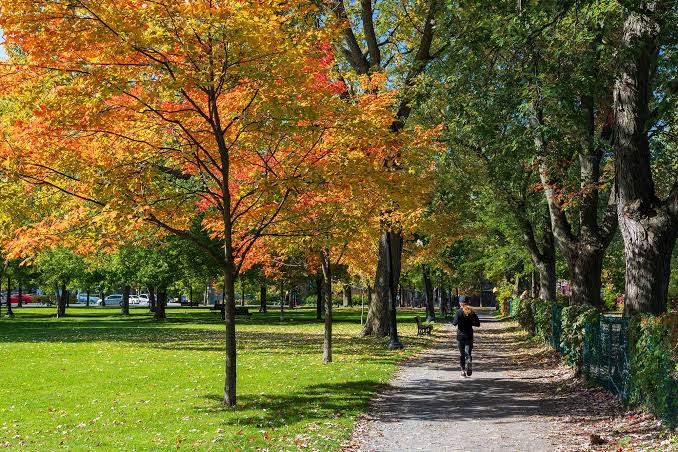
Maintaining healthy and manageable outdoor spaces requires more than occasional mowing or trimming. Trees, shrubs, grasses, weeds, vines, and other forms of plant growth can change significantly throughout the year, and unmanaged vegetation may eventually interfere with buildings, pathways, utility infrastructure, drainage systems, agricultural areas, and recreational spaces. A thoughtful approach to maintaining plant growth can improve appearance, support healthy ecosystems, reduce potential hazards, and make outdoor areas easier to use and maintain.
Vegetation Management involves the planned monitoring, maintenance, removal, and control of plant growth according to the needs of a particular property or environment. The process can include pruning, mowing, brush removal, invasive plant control, selective tree removal, weed management, planting, and long-term maintenance. Rather than removing every plant from an area, effective management focuses on maintaining an appropriate balance between healthy vegetation and practical land use.
Understanding the Importance of Plant Management
Vegetation naturally changes as plants grow, reproduce, spread, and respond to seasonal conditions. Without regular attention, growth that initially appears harmless can become dense and difficult to control. Overgrown shrubs may block walkways, vines can spread across structures, and trees may develop branches that interfere with roofs or other nearby features.
Uncontrolled plant growth can also make properties more difficult to inspect. Dense vegetation may conceal drainage problems, damaged fences, debris, pests, or other conditions that require attention. Maintaining clear and accessible areas allows property owners and maintenance teams to identify developing issues sooner.
A structured maintenance approach also helps preserve desirable plants. When growth is monitored regularly, healthy trees and shrubs can receive appropriate pruning and care before overcrowding or competition becomes a serious concern.
Assessing Existing Vegetation
Before developing a maintenance plan, it is useful to understand what is already growing on the property. Different species have different growth patterns, root structures, water requirements, and maintenance needs.
A proper assessment can identify healthy vegetation that should be preserved, plants that require pruning, invasive species that need control, and damaged or hazardous growth that may need removal. The condition of the soil and surrounding environment should also be considered because plant health depends on factors beyond the vegetation itself.
Age is another important consideration. Young trees may require formative pruning, while mature trees may need periodic inspection for structural concerns. Shrubs may become overcrowded as they reach their mature size, requiring thinning or relocation.
Understanding the existing landscape creates a foundation for making informed maintenance decisions instead of relying on the same treatment for every plant.
Managing Trees Responsibly
Trees can provide shade, visual appeal, habitat, and other benefits, but they require appropriate care as they mature. Dead, damaged, or poorly positioned branches may create hazards, particularly when they extend over structures, pathways, or frequently used areas.
Pruning should be performed according to the needs of the tree rather than simply cutting branches for appearance. Excessive pruning can weaken a tree or interfere with its natural growth pattern. Proper cuts and appropriate timing can help reduce unnecessary stress.
Large or mature trees may require specialized equipment and expertise. Work at height can also introduce significant safety risks, so complex tree maintenance is often better handled by qualified professionals with appropriate training and equipment.
Tree management should aim to preserve healthy growth whenever practical while addressing genuine structural or safety concerns.
Controlling Overgrown Brush
Brush can develop rapidly in areas that receive little maintenance. Dense shrubs, vines, grasses, and small woody plants can reduce visibility and restrict access.
Overgrown brush can also create competition for water and nutrients among desirable plants. In some environments, dense growth may provide suitable conditions for pests or unwanted species.Mechanical cutting, trimming, mowing, or selective removal may help restore control. The appropriate method depends on the type and density of vegetation as well as the intended use of the area.
Simply cutting vegetation without considering regrowth may provide only a temporary result. A longer-term plan should consider why the growth is occurring and how future maintenance will prevent the same problem from returning.
Managing Invasive Plants
Invasive plants can be particularly challenging because they may spread quickly and compete with native or desirable vegetation. They can alter the structure of an environment and make future maintenance more difficult.
Identification is important before removal begins because different species require different control methods. Some invasive plants can regrow from roots or small fragments, meaning that cutting alone may not provide lasting control.
Depending on the situation, management may involve mechanical removal, repeated monitoring, targeted treatments, or replacement with more appropriate plant species.Care should be taken when handling invasive vegetation so that seeds or plant fragments are not unintentionally spread to unaffected areas. Disposal procedures should also be appropriate for the specific species and local requirements.
The Role of Weed Management
Weeds compete with desirable plants for sunlight, water, nutrients, and space. They can appear in lawns, planting beds, pathways, agricultural areas, and other parts of a property.
Effective weed management often combines prevention with targeted removal. Maintaining healthy soil and dense desirable plant coverage can reduce opportunities for unwanted plants to establish.Mechanical removal can be useful for smaller infestations, while other situations may require additional control methods. Any chemical treatment should be selected and applied responsibly, following applicable product instructions and safety requirements.
Regular monitoring is important because weeds are generally easier to control when populations are small. Waiting until an area becomes heavily infested can make the process more difficult and expensive.
Protecting Soil Health
Healthy vegetation depends on healthy soil. Soil compaction, erosion, nutrient imbalance, poor drainage, and excessive disturbance can all affect plant development.
Heavy equipment should be used carefully in sensitive planting areas because repeated traffic can compact soil and reduce the movement of air and water through it. Compacted soil can make it harder for roots to develop properly.
Organic matter can sometimes improve soil structure and support biological activity. However, soil amendments should be selected according to actual site conditions rather than applied indiscriminately.Maintaining appropriate ground cover can also help protect soil from erosion. Vegetation, mulch, and other suitable materials can reduce the impact of rainfall and help keep soil in place.
Managing Vegetation Around Buildings
Plants growing too close to buildings can create maintenance and structural concerns. Branches may contact roofs, gutters, windows, or exterior surfaces, while dense vegetation can reduce airflow and make certain areas difficult to inspect.Shrubs should be positioned with enough space for mature growth. Trees should also have sufficient clearance from structures and other infrastructure.
Regular trimming can maintain appropriate separation. However, cutting vegetation too aggressively can damage plants and create unattractive growth patterns.A balanced approach considers both the health of the plant and the need to maintain reasonable clearance around structures.
Keeping Pathways and Access Areas Clear
Walkways, driveways, access roads, and service areas need to remain usable. Overgrown branches and spreading plants can narrow pathways or obstruct visibility.Routine trimming can prevent minor growth from becoming a significant obstruction. This is especially important for areas used frequently by pedestrians, vehicles, maintenance personnel, or emergency services.
Ground vegetation should also be managed around access points. Uneven growth can make surfaces harder to navigate and may conceal changes in ground level.Maintaining clear access improves both convenience and the overall appearance of the property.
Supporting Drainage Through Proper Plant Management
Vegetation and water management are closely connected. Plants can help stabilize soil, but excessive growth may also interfere with drainage channels, culverts, drains, and other water-management features.
Leaves, branches, roots, and accumulated organic matter can restrict water movement in certain situations. Vegetation growing directly inside drainage infrastructure may need to be controlled to maintain proper flow.
At the same time, completely removing vegetation from slopes or drainage areas can increase erosion. The appropriate approach depends on the location and purpose of the vegetation.A coordinated strategy should therefore consider both plant growth and water movement rather than treating them as unrelated maintenance issues.
Managing Vegetation Near Utility Infrastructure
Plant growth can interfere with utility infrastructure when branches or roots expand into restricted areas. Trees growing near overhead lines, equipment, access points, or underground infrastructure may require careful monitoring.
Pruning should be performed with awareness of the surrounding infrastructure. Work near energized electrical equipment can be extremely hazardous and should be handled only by appropriately qualified professionals.
Root growth can also affect underground systems in certain circumstances. Before planting trees or large shrubs near underground utilities, the location of buried infrastructure should be determined and appropriate planting distances considered.Planning vegetation placement in advance can prevent many future conflicts.
Using the Right Equipment
Different vegetation tasks require different tools and machinery. Hand tools may be suitable for small pruning jobs, while larger projects may require brush cutters, mowers, chippers, stump equipment, or specialized vegetation-control machinery.
Using equipment that matches the size and type of work can improve efficiency and reduce unnecessary disturbance. Operators should understand the limitations of each machine and use appropriate protective equipment.
Equipment maintenance is also important. Dull cutting components, damaged guards, leaking hydraulic systems, or poorly maintained machinery can increase risks and reduce performance.For extensive projects, professional crews may have access to specialized equipment that allows them to complete work more efficiently than basic household tools.
Considering Seasonal Growth
Plant growth varies throughout the year. Some species experience rapid growth during particular seasons, while others enter periods of dormancy.
Maintenance schedules should take these patterns into account. Pruning at an inappropriate time can sometimes affect flowering, fruiting, or plant health, depending on the species.Seasonal planning also helps property owners anticipate periods when mowing, trimming, weed control, or debris removal may become more demanding.
Rather than reacting to overgrowth after it becomes severe, a proactive schedule can keep vegetation under control throughout the year.Dense dry vegetation can increase fire-related concerns in environments where combustible plant material is a significant hazard. Dead branches, dry grasses, accumulated leaves, and unmanaged brush may provide additional fuel.
Removing unnecessary dry vegetation and maintaining appropriate clear areas can reduce the amount of combustible material around structures and access routes.
Safety considerations should also include visibility. Overgrown vegetation near roads, intersections, entrances, and pathways can obstruct sightlines.Maintaining clear visibility can help people navigate properties more safely and can make it easier to identify hazards.
Encouraging Healthy Plant Growth
Management is not only about removal. Healthy vegetation often requires active support.
Pruning can improve structure, while appropriate watering can help plants establish and remain healthy. Mulching can help retain moisture and suppress competing weeds, provided it is applied correctly.Plant nutrition should be considered based on actual requirements. Excessive fertilization can cause problems and may contribute to nutrient runoff.
Monitoring plants regularly can reveal early signs of stress, disease, pest activity, or nutrient deficiencies. Addressing problems at an early stage may be easier than attempting to restore severely damaged vegetation later.
Developing a Sustainable Maintenance Plan
A sustainable maintenance plan should reflect the resources available and the long-term goals for the property. A landscape requiring constant intensive maintenance may not be practical for every owner.
Plant selection can make a major difference. Choosing species suited to the available conditions can reduce watering, pruning, and replacement requirements.Grouping plants with similar needs can also improve maintenance efficiency. Plants with comparable sunlight and water requirements can be managed more effectively when they are placed in appropriate zones.A sustainable approach considers long-term workload rather than focusing only on how the property looks immediately after maintenance.
Professional Vegetation Management services can be useful when a property contains extensive overgrowth, large trees, invasive plants, difficult terrain, or vegetation close to infrastructure.Experienced professionals can assess plant conditions, determine appropriate maintenance methods, operate specialized equipment, and develop schedules for recurring work.
Professional support can be particularly important when tasks involve elevated tree work, hazardous locations, large machinery, or vegetation near electrical infrastructure.
The goal is not necessarily to outsource every maintenance task. Instead, professional expertise can be used where specialized knowledge or equipment is needed while routine maintenance remains manageable for property owners or regular landscaping teams.
Planning for Long-Term Property Health
Effective plant management should be viewed as an ongoing process rather than a one-time cleanup. Vegetation continues to grow, and conditions change over time.
A property that has been thoroughly maintained may still require regular monitoring. New growth, storm damage, invasive species, and changing environmental conditions can create new challenges.
Periodic assessments allow maintenance priorities to be updated. Trees may become larger, planting beds may become crowded, and areas that once required little attention may eventually need additional care.Long-term planning helps maintain consistency and can reduce the need for major corrective work.
Evaluating Maintenance Results
After completing a maintenance project, it is useful to evaluate whether the desired outcome was achieved. Were access areas cleared? Are desirable plants healthier? Has invasive growth been reduced? Are drainage channels functioning properly? Has visibility improved?These questions can help determine whether additional work is needed.
Monitoring after removal is especially important because some plants can return quickly. Follow-up inspections may be necessary to prevent regrowth from becoming established again.A successful maintenance program should therefore include both active work and observation.
When planning Vegetation Management, property owners should consider the purpose of each area, the condition of existing plants, future land use, maintenance resources, and potential safety concerns. Removing vegetation simply because it is present, an effective approach is usually selective and deliberate. Plants that should be maintained, relocated, replaced, or removed may not always be the best solution.
Healthy mature trees and useful groundcovers can provide valuable benefits, while invasive or hazardous growth may require more aggressive control.
The most effective approach is usually selective and deliberate. Plants should be maintained, relocated, replaced, or removed according to their role and condition.
This approach can create outdoor areas that are easier to manage without unnecessarily eliminating beneficial vegetation.
Conclusion
Healthy outdoor environments require thoughtful and consistent care. Vegetation Management provides a structured approach to controlling unwanted growth, maintaining desirable plants, protecting infrastructure, improving accessibility, and supporting the long-term health of a property.
Successful management begins with understanding the existing vegetation and identifying the purpose of each area. Trees, shrubs, grasses, weeds, vines, and other plants should not all be treated in the same way. Appropriate pruning, selective removal, and invasive plants can be especially valuable when projects involve mature trees, dense brush, specialized equipment, difficult terrain, or vegetation near infrastructure. At the same time, regular monitoring and basic maintenance can control soil care, drainage awareness, and seasonal maintenance can create a more balanced environment.
Professional assistance can be especially valuable when projects involve mature trees, dense brush, specialized equipment, difficult terrain, or vegetation near infrastructure. At the same time, regular monitoring and basic maintenance can help prevent small problems from developing into extensive overgrowth.
Ultimately, Vegetation Management is about achieving the right balance between natural growth and practical property needs. A well-maintained landscape can remain attractive, accessible, and functional while preserving healthy vegetation and reducing unnecessary risks. With a proactive plan and appropriate maintenance methods, property owners can create outdoor environments that remain manageable and resilient for years to come.

