

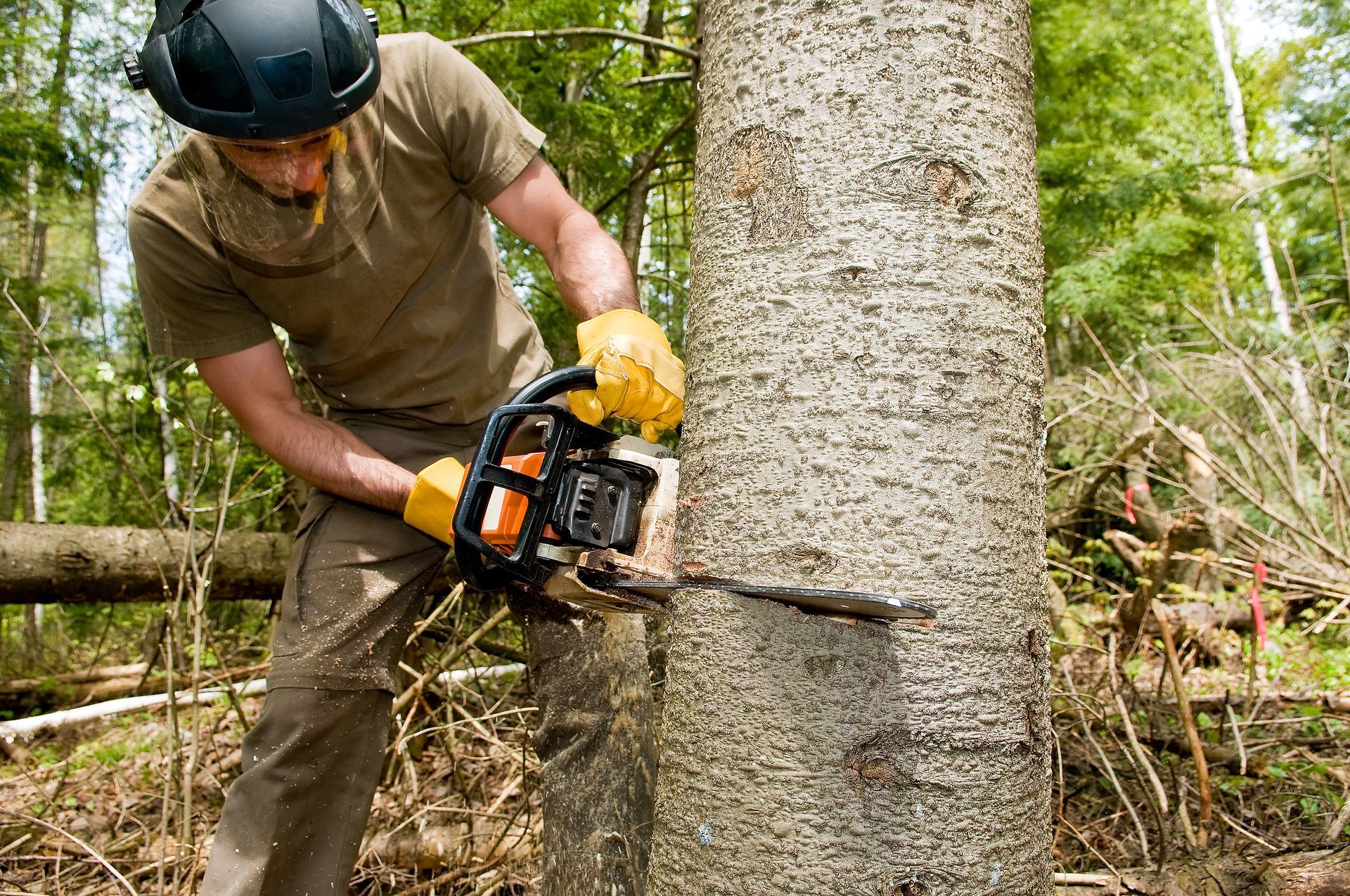
Trees are an important part of residential and commercial landscapes because they provide shade, improve visual appeal, support wildlife, and contribute to a more comfortable outdoor environment. However, trees can sometimes become damaged, diseased, unstable, or unsuitable for their surroundings, making professional attention necessary to protect people and property. Dead branches, declining health, extensive root growth, storm damage, and structural weaknesses can create concerns that require careful evaluation. In certain situations, pruning and other maintenance methods may be sufficient, while more serious problems may make complete removal the most practical option. Professional tree removal involves assessing the tree’s condition, evaluating nearby structures and obstacles, selecting suitable equipment, and completing the work through a carefully planned process. Property owners who understand the reasons for removal and the importance of professional handling can make better decisions about maintaining their outdoor spaces. With appropriate planning, responsible work practices, and attention to the condition of the surrounding landscape, removing an unwanted or hazardous tree can help improve property safety, restore usable space, and create opportunities for future landscaping improvements.
Understanding When Tree Removal Becomes Necessary
Determining when a tree should be removed requires careful consideration of its health, structural stability, location, and potential impact on the surrounding property. A tree with extensive decay, a severely damaged trunk, major root problems, or significant structural weakness may pose a risk if it cannot be maintained safely. Storms can also cause substantial damage by splitting branches, breaking the trunk, or disturbing the root system, sometimes leaving a tree unstable even when some of its foliage remains green. Other situations involve trees that have outgrown their available space, interfere with essential property features, or create persistent problems that cannot be addressed effectively through routine maintenance. However, not every damaged or declining tree needs to be removed immediately. Some trees can recover with appropriate pruning, treatment, or changes to their growing conditions, so a professional assessment is valuable before making a final decision. Evaluating the complete tree rather than focusing on one visible symptom helps determine whether removal is genuinely necessary. This approach supports responsible landscape management and helps property owners avoid removing healthy trees when practical alternatives are available.
Recognizing Signs of Tree Damage and Declining Health
Trees often show visible warning signs when their health or structural condition begins to deteriorate. Dead branches, thinning foliage, unusual leaf discoloration, fungal growth, trunk cavities, damaged bark, and changes in the tree’s overall shape can indicate that further inspection is needed. Cracks in the trunk or major limbs may also require attention because they can affect structural strength, particularly when combined with heavy branches or an uneven canopy. Root problems can be more difficult to recognize because much of the root system remains below the ground. However, exposed roots, soil heaving, visible root decay, or a noticeable change in the tree’s position may indicate a serious concern. These symptoms do not always mean removal is the only option, but they should not be ignored when the tree is located near a home, driveway, walkway, or frequently used outdoor area. A qualified tree care professional can examine the available evidence, identify potential hazards, and recommend appropriate next steps. Early evaluation is especially helpful because addressing developing problems before they become severe may provide more options for preserving the tree or managing its risks.
Protecting Buildings and Outdoor Property Features
The location of a tree can significantly influence whether it remains suitable for a particular property. Large branches growing over a roof may increase concerns about falling limbs, while trees positioned close to buildings can create challenges when their canopies become dense or their roots interact with surrounding surfaces. Root growth may affect sidewalks, driveways, retaining walls, or underground installations, although the extent of any impact depends on the species, soil conditions, available space, and nearby construction. In some cases, careful pruning or root management may help address the problem, while other situations require a more comprehensive solution. Professional evaluation helps determine whether a tree can remain safely in place or whether removal should be considered. Before work begins, the service provider should assess nearby structures, fences, vehicles, utility lines, garden beds, and access routes. This information helps establish a suitable work plan and determine whether specialized equipment or additional protective measures are required. Addressing these factors in advance can reduce the likelihood of accidental damage and help ensure that the removal process is completed with consideration for the entire property.
How Professional Tree Removal Works
Removing a tree safely requires more than cutting through the trunk and allowing the tree to fall. Each project involves different conditions, including tree height, canopy spread, trunk diameter, structural condition, surrounding obstacles, and available working space. A professional crew typically begins by inspecting the tree and evaluating the risks associated with the site. The team then determines an appropriate removal method based on the tree’s position, its condition, and the equipment available. When there is sufficient clear space and the conditions allow it, a tree may sometimes be felled in a controlled direction. In confined environments, workers may need to remove the tree in smaller sections, lowering branches and trunk pieces carefully to limit the risk of damage. Ropes, rigging systems, lifting equipment, or other specialized tools may be required depending on the circumstances. Throughout the process, the crew must maintain a controlled work area and follow suitable safety procedures. After the tree has been removed, the remaining branches, trunk sections, and debris can be processed or cleared according to the agreed service plan. A well-organized approach helps ensure that each stage is completed efficiently while accounting for the unique conditions of the property.
Why Professional Equipment and Experience Matter
Tree removal can involve significant physical hazards, especially when working with tall trees, heavy branches, unstable trunks, or limited access. Professional tree care providers use equipment selected for the specific requirements of the job, which may include chainsaws, climbing systems, rigging equipment, aerial lifts, protective barriers, and machinery for handling larger wood sections. Choosing the appropriate tools requires an understanding of the tree’s structure, the weight and movement of its branches, and the potential consequences of each cut. Inexperienced handling can lead to uncontrolled branch movement, equipment accidents, property damage, or serious injury. Professional experience also helps workers recognize changing conditions, such as unstable limbs, hidden decay, wind exposure, and obstacles that may complicate the removal process. Before work starts, the crew should identify hazards and establish suitable exclusion zones to keep bystanders away from operating equipment and falling debris. Property owners should avoid attempting complicated removals with ordinary household tools or without the necessary training. Hiring qualified professionals provides access to appropriate equipment, technical knowledge, and a planned approach that prioritizes safety and helps reduce unnecessary disruption.
Managing Storm-Damaged and Unstable Trees
Severe weather can leave trees in conditions that require urgent evaluation. Strong winds, heavy rainfall, lightning, and falling debris may break branches, split trunks, expose roots, or cause trees to lean unexpectedly. Some damage is immediately visible, while other structural problems may become apparent only after a closer inspection. A damaged tree that remains upright may still have a compromised root system or weakened trunk, making its stability difficult to judge from the ground. Property owners should be particularly cautious when large branches are hanging overhead, the trunk has developed a major split, or the tree is leaning toward a building or frequently used area. Such conditions can change quickly, especially during continued severe weather. People should keep a safe distance from visibly unstable trees and avoid attempting to cut or move damaged sections themselves. A qualified tree care provider can assess the situation and determine whether controlled pruning, stabilization, or removal is the most appropriate response. Prompt professional attention can help manage potential hazards and support a more organized recovery process after a storm.
Improving Landscape Appearance and Usable Space
An unwanted or poorly positioned tree can affect the appearance and functionality of an outdoor area. Excessive canopy growth may block sunlight, overcrowd nearby plants, or make sections of the property difficult to maintain. A dead or severely declining tree may also create an unattractive feature that interrupts an otherwise well-planned landscape. Removing a tree that can no longer be maintained appropriately may open opportunities to redesign the area, improve access, or introduce plants that are better suited to the available conditions. Property owners may use the newly available space to establish a lawn, expand a garden, improve a walkway, or create a more practical outdoor living area. However, removing a tree should be considered carefully because trees provide shade, contribute to the local environment, and can be valuable features of a landscape. When removal is necessary, planning the next stage can help ensure that the space is used effectively. The surrounding plants, soil condition, drainage, sunlight, and remaining roots should all be considered before choosing replacement landscaping. A thoughtful approach helps maintain visual balance and can prevent the new design from creating similar problems in the future.
Understanding the Difference Between Tree Removal and Stump Grinding
Removing a tree and dealing with the remaining stump are separate parts of the overall process. Tree removal focuses on taking down the trunk and canopy, while stump grinding reduces the remaining wood below the surrounding ground level. After the main tree has been removed, the stump may continue to occupy valuable space and interfere with mowing, planting, or other landscaping activities. Exposed roots can also create obstacles, depending on the location and condition of the tree. Property owners should decide whether they want the stump left in place, ground down, or removed through a more extensive excavation process. Stump grinding is often suitable when the goal is to reduce the visible stump and prepare the area for landscaping, but it does not remove the entire root system. Complete stump excavation may be necessary when the site requires a different level of ground preparation, although this method can be more disruptive. The most appropriate option depends on the intended use of the area, the stump’s dimensions, access limitations, and the condition of the surrounding ground. Discussing stump treatment before tree removal begins helps establish clear expectations about the finished property.
Preparing the Property Before Work Begins
Preparation is an essential part of a successful tree removal project because it helps protect the surrounding area and allows the crew to work more efficiently. Property owners should discuss the tree’s location, nearby structures, access limitations, and any known underground installations with the service provider before the scheduled work. Vehicles, outdoor furniture, garden ornaments, tools, and other movable items should be relocated away from the designated work area. Pets and children should remain indoors or in another secure area while equipment is operating. The crew should also identify potential hazards involving utility lines, fences, roof edges, neighboring trees, and narrow access routes. If the tree is close to a building or other valuable feature, additional precautions may be needed to control the movement of branches and trunk sections. Underground utilities should be located before any work that could disturb the soil or affect buried services. Establishing a clear plan before the first cut helps reduce misunderstandings and supports better coordination between the property owner and the removal team. Preparation also provides an opportunity to discuss cleanup, wood disposal, stump treatment, and any restoration work that may be needed afterward.
Responsible Disposal and Reuse of Tree Debris
Tree removal generates different types of material, including branches, leaves, trunk sections, and sometimes large quantities of wood chips. Managing this debris is an important part of completing the project because leftover material can obstruct access, interfere with landscaping, and make the property difficult to use. Depending on the condition of the wood and the property owner’s preferences, suitable trunk sections may be cut into firewood or retained for other appropriate uses. Branches can often be chipped for certain landscaping applications, while unsuitable material may need to be hauled away. Diseased or pest-infested wood may require special handling to avoid spreading problems to other trees, and the recommended disposal method can depend on the type of issue involved. Before the project begins, property owners should confirm whether the service includes cutting, chipping, hauling, and general cleanup. They should also discuss whether they want to retain any usable wood and where it should be placed. A clear debris management plan helps ensure that the work area is left in an agreed condition and makes it easier to move directly into the next stage of landscape maintenance or improvement.
Factors That Influence Project Cost and Scheduling
The cost and duration of tree removal vary according to the characteristics of the tree and the conditions of the property. Tree height, trunk diameter, canopy spread, wood condition, and structural stability can all influence the amount of work involved. A large tree with heavy branches may require more time and specialized equipment than a smaller tree in an open area. Trees located near buildings, fences, utility lines, or other obstacles may also require sectional removal and additional rigging. Limited access can create further challenges if machinery cannot reach the work area easily. Weather conditions and the presence of unstable limbs may affect scheduling because the crew must be able to complete the work safely. Additional services, such as stump grinding, debris hauling, or ground restoration, may also influence the overall project cost. Property owners can support accurate planning by explaining their requirements, identifying access restrictions, and asking for a clear description of the services included in the estimate. Comparing service proposals should involve more than looking at the lowest price; it is also important to understand the planned removal method, safety precautions, cleanup arrangements, and any exclusions that could lead to additional costs.
Maintaining a Healthy Landscape After Removal
Once a tree has been removed, the surrounding landscape may benefit from follow-up maintenance and careful planning. The removal process can disturb soil, expose previously shaded areas, and change how sunlight and rainfall reach nearby plants. Property owners should evaluate these changes before selecting replacement vegetation or making major landscaping decisions. Areas that previously received limited sunlight may become suitable for different plants, while other sections may experience greater exposure and require species that tolerate the new conditions. If the stump remains, the property owner should determine whether it will be left to decay naturally, ground down, or removed completely. Where stump grinding is performed, the resulting wood chips and disturbed soil may require cleanup, grading, and additional topsoil before new grass or plants can be established. Drainage should also be checked to ensure that water does not collect in the restored area. Removing one tree can provide an opportunity to assess the condition of other trees on the property and establish a more consistent maintenance plan. Regular inspections, appropriate pruning, and professional tree removal services can help preserve the health and appearance of the remaining landscape while supporting safer, more attractive, and easier-to-maintain outdoor spaces.
Choosing a Reliable Tree Care Provider
Selecting an experienced tree care provider is an important step when planning a tree removal project. Property owners should look for a company that takes time to assess the tree, explain the proposed method, and identify potential hazards before work begins. A professional service provider should be willing to discuss equipment requirements, access limitations, debris handling, stump options, and the condition in which the work area will be left. It is also helpful to ask about insurance coverage, worker safety practices, and any permissions that may be necessary for the particular property. A clear written estimate can explain which services are included and identify any additional work that may be charged separately. Communication is especially important when a tree is located near a structure, boundary, or shared access area because the removal process may affect more than one part of the property. Property owners should be cautious about proposals that promise complicated work without first inspecting the tree and its surroundings. Choosing a provider who emphasizes planning, transparency, and safe working methods can help reduce uncertainty and support a better overall experience.
Conclusion
Tree removal can be an important part of maintaining a safe, attractive, and functional property when a tree becomes hazardous, severely damaged, or unsuitable for its surroundings. The decision should be based on a careful assessment of the tree’s health, structural condition, location, and available alternatives rather than appearance alone. Professional planning helps address the challenges associated with heavy branches, restricted access, nearby structures, equipment selection, and debris management. Property owners should also consider whether stump grinding, wood removal, soil preparation, or replacement landscaping will be necessary after the tree has been taken down. Coordinating these services can help create a smoother transition from removal to landscape restoration while making the intended outcome clearer from the beginning. Working with an experienced tree care provider can reduce avoidable risks and ensure that the project is approached with suitable equipment and appropriate safety measures. When removal is genuinely necessary, professional tree removal tree removal services can help property owners address hazardous trees, reclaim valuable outdoor space, and prepare their landscapes for future maintenance and improvement.

