

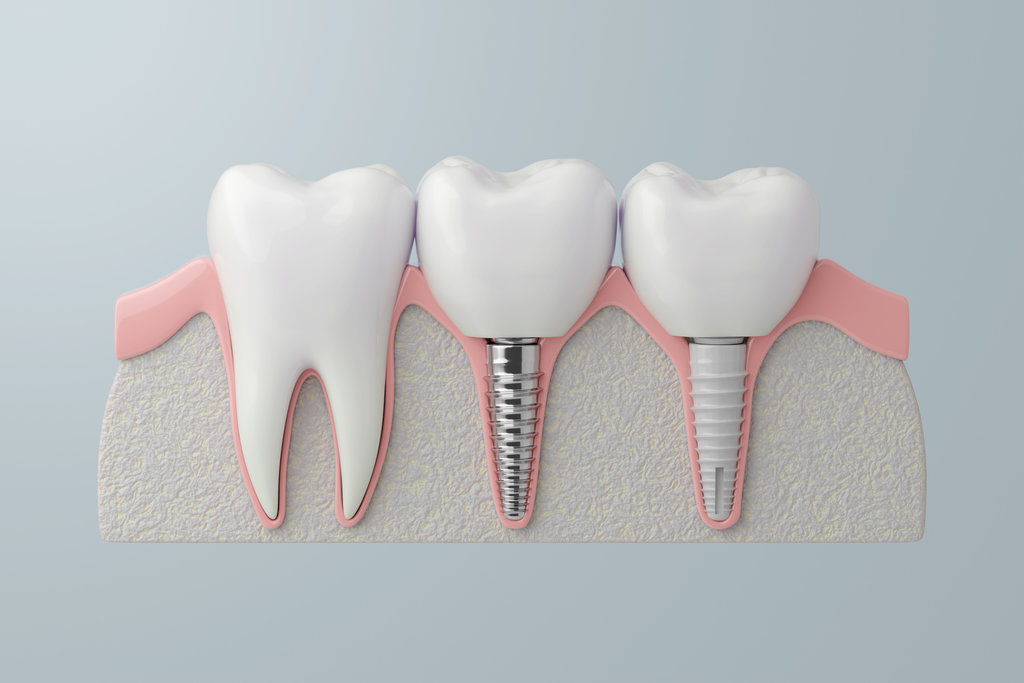
Replacing a missing tooth involves more than filling a space. The treatment should account for the condition of the jawbone and gums, the way the teeth meet, the desired appearance, and the materials used in the final restoration. For patients exploring zirconia dental implants NYC, Tetrahealth Dentistry provides a coordinated evaluation designed to determine whether a metal-free ceramic implant is an appropriate option.
Tetrahealth Dentistry approaches implant care through diagnosis, surgical planning, restorative design, and follow-up maintenance. Rather than assuming that zirconia is the right answer for every missing tooth, the team evaluates the patient’s anatomy, oral health, medical history, functional needs, and long-term goals before recommending a treatment path.
Can Tetrahealth Dentistry Help Patients Looking for Zirconia Dental Implants in NYC?
Yes. Tetrahealth Dentistry offers a structured process for people seeking ceramic implant treatment in New York City. The practice combines diagnostic assessment with implant placement and custom restoration planning, so the surgical position of the implant is considered alongside the final crown, bite, gum contour, and appearance.
This multidisciplinary perspective can be especially important when a patient has limited bone, thin gum tissue, an existing infection, clenching habits, or several missing teeth. In these situations, simply selecting an implant material is not enough. The underlying site and the finished restoration both require careful planning.
Why Are NYC Patients Considering Zirconia Dental Implants?
Zirconia is a high-strength ceramic material used to make metal-free dental implants. Its white color may be appealing in visible areas of the smile, particularly when a patient is concerned about the appearance of darker implant material beneath thin gum tissue. Some patients also prefer to explore ceramic options to avoid a metal-based implant.
Those preferences are valid starting points, but they do not automatically establish candidacy. The implant must withstand the forces created by chewing, speaking, and possible grinding. Tetrahealth Dentistry considers these functional demands along with the patient’s aesthetic priorities before deciding whether zirconia is suitable.
How Does Tetrahealth Dentistry Compare Zirconia and Titanium Implants?
- Material: Zirconia implants are ceramic and metal-free. Titanium implants are metal-based.
- Color: Zirconia has a white, tooth-colored appearance. Titanium is metallic but is generally covered by the crown and surrounding tissues.
- Clinical history: Titanium has a longer history of widespread clinical use. Zirconia has an expanding clinical evidence base and requires thoughtful case selection.
- Patient priorities: Zirconia may suit patients who specifically want a metal-free approach or place a high value on the color of the implant material.
- Final decision: Tetrahealth Dentistry evaluates anatomy, gum tissue, bone availability, bite forces, health history, and restorative goals rather than recommending a single material by default.
What Does Tetrahealth Dentistry Evaluate Before Recommending Zirconia?
- 3D imaging: Imaging helps assess bone volume, root anatomy, sinus location, and other nearby structures.
- Digital scans: Scans help visualize how the final restoration should relate to adjacent teeth and the bite.
- Gum and periodontal health: The team evaluates inflammation, tissue thickness, and the condition of the supporting structures.
- Bite analysis: Chewing patterns, clenching, grinding, and force distribution can affect implant planning.
- Medical review: Healing factors, medications, systemic conditions, and personal treatment preferences are considered.
- Restorative planning: The intended crown or larger restoration guides the implant position, not the other way around.
What Happens During the Zirconia Implant Process?
- Consultation and diagnosis: Tetrahealth Dentistry reviews the patient’s goals, oral health, medical history, and imaging and diagnostic scans.
- Treatment planning: The team determines whether zirconia is appropriate and whether bone or soft-tissue support may be needed.
- Site preparation: If a damaged tooth must be removed, the site is managed with attention to the surrounding bone and tissues.
- Implant placement: The zirconia implant is placed in accordance with the surgical and restorative plan.
- Healing and integration: The implant site is monitored while the bone and soft tissues heal.
- Custom restoration: A ceramic crown or larger prosthesis is designed to support appearance, speech, and chewing.
- Maintenance: Follow-up visits assess hygiene, tissue health, restoration condition, and bite balance.
Are Zirconia Dental Implants Supported by Current Research?
Clinical research supports cautious optimism, while also showing why material selection should remain individualized. A 2018 meta-analysis reported estimated one-year and two-year survival rates of 98.3% and 97.2% for commercially available zirconia implants, respectively, although the included follow-up periods were limited and longer-term data remained important. The reported survival findings for commercially available zirconia implants should therefore be viewed as useful context, not as a guarantee for an individual patient.
A 2026 systematic review and evidence map examined 45 reports from 24 study families and identified gaps in reporting and independent replication for factor-specific zirconia implant outcomes. Does current research support the selection of zirconia dental implants? Does selection still require assessment of anatomy, indication, periodontal risk, prosthetic design, and biomechanical forces?
Who May Be a Candidate for Zirconia Implants?
Potential candidates may include adults with one or more missing teeth, patients interested in a metal-free material, and people with adequate bone and healthy or treatable gum tissues. Patients who need regeneration may still be candidates after appropriate planning. Successful treatment also depends on a commitment to home care, professional maintenance, and follow-up appointments.
Questions to Ask at a Tetrahealth Dentistry Consultation
- Is zirconia appropriate for the location and function of my missing tooth?
- What do my scans show about bone volume and nearby anatomy?
- Will I need bone or gum regeneration before or during implant treatment?
- How will my final ceramic crown be designed and maintained?
- What alternatives, risks, healing milestones, and maintenance requirements should I understand?
How Can Patients Protect Their Implant Results?
Long-term implant care includes brushing twice daily, cleaning between the teeth and around the restoration as instructed, attending recommended maintenance visits, and promptly reporting any bleeding, swelling, discomfort, looseness, or bite changes. Patients with grinding or clenching may also need additional bite protection when clinically indicated.
Why Choose Tetrahealth Dentistry for Zirconia Implant Planning?
Tetrahealth Dentistry brings surgical planning, regenerative evaluation, digital diagnostics, and ceramic restoration design into one care pathway. For NYC patients considering zirconia implants, this approach helps keep the focus on the overall outcome: stable support, healthy surrounding tissues, practical function, and a restoration that fits naturally within the smile.

