

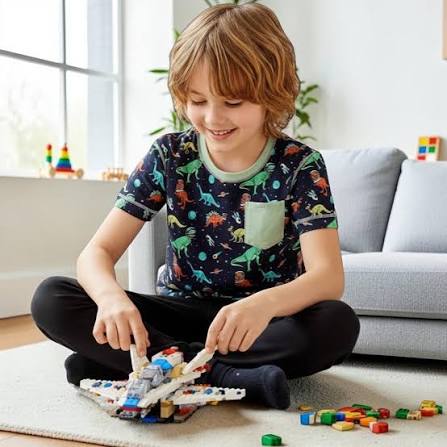
A child’s favorite T-shirt rarely stays clean for long. One minute, they’re sitting quietly at breakfast. Next, they’re running through the garden, building something on the floor, or coming home with mysterious stains that nobody can explain.
That’s exactly why choosing the right T-shirts for kids matters more than many parents realize. A good shirt needs to feel comfortable, handle constant movement, and survive regular washing without becoming a stretched-out mess.
But how can you tell which shirts are actually worth buying? A few practical details can make the difference between clothing your child wears once and pieces they reach for every week.
Why Fabric Quality Makes Such a Difference
Children experience clothing differently from adults. They’re constantly bending, climbing, stretching, and moving around. Fabric that feels perfectly fine during a quick fitting might become uncomfortable after several hours of play.
Cotton is a popular choice for children’s T-shirts because it’s generally soft, breathable, and pleasant against the skin. Its natural fibers allow air to circulate, which can help children feel comfortable during everyday activities.
However, not all cotton fabrics are identical.
Some shirts use thin material that loses its shape quickly. Others feature thicker fabric that feels substantial but may become uncomfortable in warm weather.
The best choice depends on your child’s activities and the climate where you live.
When shopping for high-quality T-shirts for kids, pay attention to fabric softness, construction, and how well the material holds its shape when gently stretched.
A comfortable shirt should move naturally with your child rather than feel restrictive.
The Small Details That Separate Good Shirts From Bad Ones
It’s easy to focus on colors and printed designs. Children certainly do.
But the details that determine whether a T-shirt lasts are often less noticeable.
Check the stitching
Look closely at the seams around the shoulders, sleeves, and neckline.
Straight, even stitching usually suggests better construction. Loose threads, uneven seams, or poorly finished edges may indicate that the garment won’t hold up well after repeated washing.
Gently stretch the fabric near a seam. The stitching should accommodate normal movement without appearing strained.
Pay attention to the neckline
A neckline that becomes loose after a few washes can make an otherwise good shirt look worn out.
Ribbed collars with suitable stretch and recovery tend to maintain their shape better.
For younger children, neck openings should also be comfortable enough to make dressing easier.
Nobody wants a daily argument over pulling a tight shirt over a child’s head.
Examine the fabric thickness
Hold the shirt up toward a light source.
If the fabric appears unusually transparent, it may be too thin for rough everyday use, although lightweight material isn’t automatically poor quality.
What matters is finding a reasonable balance between breathability and durability.
Getting the Fit Right Without Buying Oversized Clothing
Children grow quickly, so buying clothes slightly larger than necessary can seem like a clever way to save money.
Sometimes it works. Other times, oversized shirts become uncomfortable because the shoulders hang too low or the sleeves interfere with movement.
A well-fitting T-shirt should provide enough room for active play without looking excessively baggy.
Check three areas before choosing a size:
- Shoulders: The seams should sit reasonably close to the natural shoulder line.
- Chest: There should be enough space for comfortable movement.
- Length: The shirt should provide coverage when your child bends or reaches upward.
Sizing charts are useful, but children’s proportions vary. Measuring a shirt that already fits your child well can be more reliable than choosing solely by age.
If your child is between sizes, consider the garment’s cut and whether the fabric is likely to shrink.
Why Everyday Comfort Matters More Than Trendy Designs
Children aren’t particularly interested in clothing construction.
They care about whether something scratches, feels too hot, or gets in the way when they’re playing.
A beautiful T-shirt that irritates their skin will probably spend most of its life at the bottom of a drawer.
Comfortable everyday shirts generally have soft interior seams, flexible fabric, and a fit that allows natural movement.
Printed designs deserve attention, too.
Large, stiff graphics can sometimes make the front of a shirt feel less flexible. Heavy decorative elements may also become uncomfortable when children lean against furniture or lie down.
Simple designs often work well because they’re easy to wear and pair with other clothing.
That doesn’t mean children’s wardrobes need to be boring. Bright colors, playful illustrations, and interesting patterns can still be practical when applied to comfortable garments.
Choosing T-Shirts for Different Activities
Not every shirt needs to serve the same purpose.
For school days, simple cotton T-shirts in versatile colors are practical because they pair easily with shorts, trousers, and jackets.
For outdoor play, lightweight, breathable fabrics can help children stay comfortable when temperatures rise. A relaxed fit also makes running and climbing easier.
Special occasions may call for slightly more structured shirts, subtle patterns, or coordinated outfits.
Rather than buying a completely separate wardrobe for every activity, consider choosing versatile pieces that work across several situations.
A plain T-shirt can look casual with shorts or more polished when paired with smart trousers.
How to Make Children’s T-Shirts Last Longer
Even well-made clothing needs proper care.
Frequent washing, high temperatures, and aggressive drying can gradually damage fibers and affect garment shape.
Fortunately, extending the life of children’s T-shirts doesn’t require complicated laundry routines.
Start by checking the care label. Different fabrics and printed designs may require different washing conditions.
Turning printed shirts inside out before washing can help reduce friction against decorative surfaces.
Using an appropriate wash temperature also helps protect colors and fabric structure.
Avoid overloading the washing machine. Clothing needs enough room to move for effective cleaning and rinsing.
When possible, air-drying can reduce exposure to the heat and tumbling associated with machine drying.
For stubborn stains, treating the affected area before washing is usually better than repeatedly washing the entire garment.
One more practical tip: don’t automatically wash a clean shirt simply because it was worn briefly. Check whether it actually needs laundering first.
Building a Practical Wardrobe Without Overspending
Buying more clothes doesn’t necessarily make dressing children easier.
A smaller collection of comfortable, versatile T-shirts can be more useful than a crowded wardrobe filled with items that rarely get worn.
Start with colors that coordinate with your child’s existing bottoms.
Include a few neutral options for everyday use, then add brighter colors or playful designs that reflect their personality.
Think about how frequently laundry gets done in your household. That will help determine how many shirts your child realistically needs.
It’s also sensible to prioritize quality for items that receive the most wear.
A slightly more expensive shirt that maintains its shape through frequent washing may offer better value than several cheaper alternatives that deteriorate quickly.
Still, price alone doesn’t guarantee quality. Fabric, stitching, fit, and care requirements provide more useful clues.
Let Children Have a Say in Their Clothing
Parents usually focus on durability, comfort, and value. Children often care most about the color or picture on the front.
Both perspectives matter.
Allowing children to choose between a few parent-approved options can make getting dressed easier and encourage them to feel comfortable with their clothing choices.
It also helps parents discover which styles their children genuinely enjoy wearing.
After all, the most durable T-shirt in the world isn’t particularly useful if your child refuses to put it on.
Conclusion
Choosing children’s T-shirts doesn’t have to be complicated. Focus on comfortable materials, reliable stitching, practical sizing, and designs that suit your child’s everyday activities.
Pay attention to how garments feel, how they move, and how they hold up after washing.
The best T-shirts are the ones children can wear comfortably throughout their busy days, while parents can feel confident they’ll last beyond the first few laundry cycles.

