

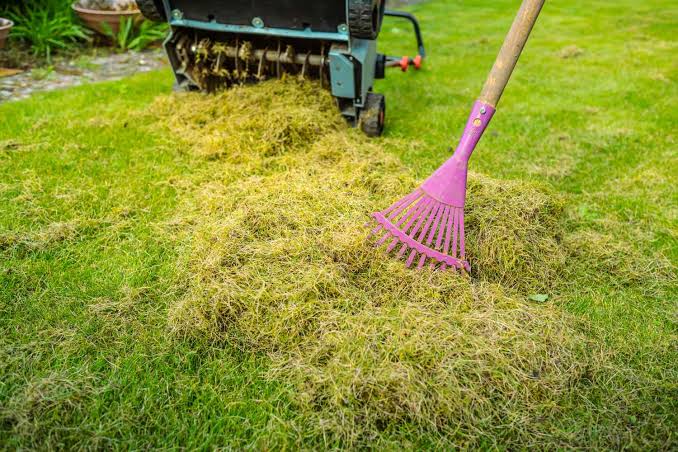
A healthy lawn depends on more than regular watering and fertilizer applications. Water and nutrients must move through the soil and reach the grass roots, but a thick layer of thatch can interfere with this process. Understanding how a lawn dethatcher affects water infiltration and nutrient availability helps homeowners make better decisions about seasonal lawn care.
Thatch is a layer of partially decomposed grass stems, roots, and other organic material that accumulates between green grass blades and the soil surface. A thin layer is beneficial, but excessive buildup can create a barrier that complicates routine maintenance. Choosing the right dethatching approach, such as using equipment suited to the lawn’s size and condition, is an important step in managing this layer. Homeowners can explore different lawn dethatcher options when evaluating equipment for their lawn care routine.
The real value of dethatching is not simply removing dead material. It is restoring a more effective connection between the soil, roots, water, and nutrients.
1. How Excessive Thatch Disrupts Water Movement Through the Soil
Water needs a clear pathway from the lawn surface into the root zone. When thatch becomes excessively thick, it can intercept irrigation or rainfall before moisture reaches the underlying soil evenly.
A dense thatch layer may absorb some water initially, while dry, compacted material can also become difficult to wet. The result is inconsistent moisture distribution, even when a lawn receives adequate irrigation.
Homeowners may notice several warning signs:
- Water pooling or running off during irrigation.
- Dry patches appearing despite frequent watering.
- Grass developing shallow roots near the surface.
- Uneven growth across otherwise similar areas.
These symptoms do not automatically indicate excessive thatch. Compacted soil, uneven sprinkler coverage, and poor drainage can produce similar problems. Identifying the underlying cause helps prevent unnecessary dethatching.
2. Why Removing Excess Thatch Can Improve Water Infiltration
Dethatching removes accumulated organic material that interferes with the relationship between the grass canopy and the soil surface. When excessive thatch is reduced, water can contact the soil more directly, improving the opportunity for moisture to enter the root zone.
However, dethatching does not automatically solve every infiltration problem. Compacted clay soil, steep slopes, and poorly graded areas may still resist water movement. In these situations, dethatching may need to be combined with other appropriate lawn care practices.
For example, consider a lawn where irrigation repeatedly leaves the upper grass layer wet while the soil beneath remains relatively dry. If excessive thatch is confirmed, removing part of that layer may help water reach the soil more consistently. Checking soil moisture after treatment reveals whether the improvement is meaningful.
3. How a Lawn Dethatcher Helps Fertilizer Reach Grass Roots
Fertilizer works best when nutrients become available in the root zone, where grass can absorb them. Excessive thatch can intercept some fertilizer granules and encourage nutrients to remain near the surface rather than entering the soil.
Dethatching can improve contact between fertilizer, irrigation water, and the soil surface. Once nutrients dissolve, they can move with water through the soil, where roots may absorb them.
The process depends on several factors, including soil moisture, fertilizer formulation, soil chemistry, and root activity. Dethatching does not create nutrients or guarantee better absorption. It helps address one potential obstacle to nutrient movement.
For reliable results, homeowners should follow soil-test recommendations and fertilizer label directions rather than increasing application rates to compensate for suspected thatch problems.
4. The Relationship Between Thatch Thickness, Soil Health, and Root Development
A small amount of thatch is normal and useful. It can cushion the soil surface, moderate temperature fluctuations, and contribute organic matter as decomposition occurs.
Problems generally become more likely when thatch accumulates faster than soil organisms can break it down. For many established lawns, a layer around half an inch or less is manageable, while layers approaching or exceeding three-quarters of an inch may warrant closer assessment. These are practical guidelines, not universal thresholds for every grass species and growing condition.
Excessive thatch can encourage roots to develop within the organic layer instead of extending into mineral soil. Such roots may be more vulnerable to drying because the surface layer experiences greater moisture and temperature fluctuations.
Reducing excessive thatch can help restore better contact between roots and soil, but healthy root development also requires suitable mowing height, adequate watering, and appropriate soil conditions.
5. When Should You Dethatch Instead of Aerating the Lawn?
Dethatching and aeration address different problems. Choosing between them depends on whether the primary restriction comes from accumulated organic material or compacted soil.
Dethatching: Best for Excessive Organic Buildup
Dethatching is appropriate when a spongy layer of stems, roots, and organic debris separates the grass canopy from the soil. A small sample cut with a garden trowel can reveal the thickness of this layer.
Aeration: Best for Compacted Soil
Core aeration removes small plugs of soil, creating channels that can improve air exchange, water infiltration, and root penetration. It is particularly useful when heavy foot traffic or clay-rich soil has created compaction.
When Both Treatments May Help
A lawn can have excessive thatch and compacted soil simultaneously. In that situation, both treatments may be appropriate, provided the grass species, season, and condition of the lawn support recovery.
Before selecting equipment, inspect the soil and thatch separately. Treating the wrong problem can leave the original drainage or nutrient issue unresolved.
6. A Practical Step-by-Step Approach to Dethatching
Effective dethatching begins with assessment rather than immediately running equipment across the entire lawn.
- Inspect the thatch layer. Cut a small wedge of turf and measure the compressed brown layer between green grass and soil.
- Identify the grass species. Cool-season and warm-season grasses have different growth cycles and recovery windows.
- Choose suitable equipment. Match the dethatching tool to the lawn’s size, thatch severity, and manufacturer’s operating guidance.
- Work when grass is actively growing. The lawn should have enough time and suitable conditions to recover before heat, cold, or drought stress.
- Remove loosened debris. Rake up excess material so it does not remain in thick piles on the turf.
- Water according to soil conditions. Check moisture below the surface rather than relying only on how the grass looks.
- Monitor recovery. Watch for new growth, persistent dry patches, or signs that the original problem may involve compaction or irrigation.
Avoid aggressive treatment simply because a lawn looks untidy. Excessive dethatching can damage crowns and roots, particularly when grass is dormant, drought-stressed, or already weakened.
7. Common Dethatching Mistakes That Limit Water and Nutrient Benefits
One frequent mistake is assuming every brown layer beneath grass is harmful. Healthy thatch is part of a functioning lawn ecosystem, and removing too much can expose soil and stress grass plants.
Other mistakes include dethatching during unfavorable weather, applying fertilizer too heavily after treatment, and overlooking irrigation problems. Newly exposed soil may respond differently to rainfall and watering, so the previous irrigation schedule may need adjustment.
Another misconception is that dethatching eliminates the need for aeration. Thatch buildup and soil compaction are separate conditions, and each requires an appropriate response.
For additional guidance on turf management, the University of Minnesota Extension’s lawn care resources explain practices that support healthy lawns. The U.S. Environmental Protection Agency’s nutrient pollution resources also explain why responsible fertilizer use matters for protecting water quality.
8. Best Practices for Maintaining Balanced Water and Nutrient Movement
Long-term lawn health depends on preventing excessive thatch from returning while maintaining favorable growing conditions.
- Mow at the recommended height. Avoid removing too much leaf material in a single cut.
- Use fertilizer appropriately. Excessive nitrogen can encourage rapid growth that may contribute to maintenance problems.
- Water deeply when appropriate. Adjust irrigation to grass type, weather, and soil rather than following a rigid daily schedule.
- Improve soil conditions. Address compaction and drainage issues when inspection shows they are present.
- Leave suitable clippings in place. Finely chopped clippings generally decompose quickly and are not the main source of thatch in a properly maintained lawn.
- Inspect annually. Check the thatch layer before deciding whether mechanical removal is necessary.
These practices support decomposition, root development, and more consistent access to water and nutrients without relying on repeated aggressive treatments.
Frequently Asked Questions
Does dethatching help water reach grass roots?
Yes, when excessive thatch is obstructing water movement. Removing some of this material can improve soil contact, although compacted soil and poor drainage may require additional treatment.
How thick should thatch be before dethatching?
A layer approaching or exceeding three-quarters of an inch is a useful reason to investigate further. Grass species, soil conditions, and lawn performance should guide the final decision.
Should I fertilize immediately after dethatching?
Not necessarily. Fertilizer timing depends on grass species, season, soil-test results, and the severity of the treatment. Follow product directions and avoid unnecessary applications to stressed grass.
Is dethatching better than aeration?
Neither is universally better. Dethatching addresses excessive organic buildup, while aeration addresses soil compaction. Some lawns benefit from both treatments.
How often should a lawn be dethatched?
There is no fixed annual schedule. Inspect the lawn and dethatch only when excessive accumulation warrants intervention. Grass type, maintenance practices, and growing conditions determine how frequently it may be needed.
Conclusion
Dethatching can improve lawn performance by reducing excessive organic buildup that interferes with water infiltration, fertilizer movement, and healthy root development. Its effectiveness depends on correctly identifying the problem and applying treatment at the right time.
A measured approach inspecting thatch thickness, distinguishing organic buildup from soil compaction, and maintaining balanced watering and fertilization produces more reliable results than aggressive removal. When the lawn’s needs guide the decision, dethatching becomes a targeted soil-management practice that helps support stronger grass and more efficient use of water and nutrients.

