

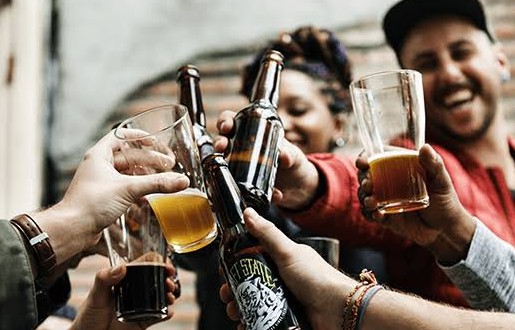
Opening the doors to your own pub is a dream shared by many hospitality enthusiasts. The image of a buzzing room, warm lighting, clinking glasses, and satisfied regulars is undeniably attractive. However, behind every successful neighborhood pub or craft beer house is a disciplined business operation working tirelessly to protect thin profit margins and deliver exceptional guest experiences.
Turning a passion for hospitality into a sustainably profitable pub requires far more than serving great drinks. It demands strategic financial planning, efficient day-to-day operations, meticulous space design, and continuous community engagement. Here is a look behind the bar at what it truly takes to build and maintain a thriving, profitable pub.
1. Master Your Financials and Beverage Margins
A profitable pub starts with tight financial oversight. Unlike standard retail businesses, bars deal with high-perishability products, spillage, theft, and fluctuating wholesale costs. To keep your business in the black, you must strictly manage your prime costs—the combined total of your Cost of Goods Sold (COGS) and labor costs. In a healthy pub operation, prime costs should ideally remain below 60% of total gross revenue.
Key financial practices for successful pub owners include:
- Controlling Pour Costs: Target an overall beverage pour cost between 18% and 24%. Draft beer and spirits generally offer higher profit margins than canned beverages or premium wines.
- Conducting Weekly Audits: Perform strict inventory checks to track variances between what was poured and what was registered at the point of sale. Unchecked free pours or untracked complimentary drinks erode profits rapidly.
- Building Expense Buffers: Startup and operational costs frequently exceed initial projections. Maintaining a cash buffer protects your business during quiet seasonal dips.
2. Design an Atmosphere Built for Durability and Volume
The physical environment of your pub dictates how long guests stay, how comfortable they feel, and how much they spend. A well-designed layout balances a warm, inviting aesthetic with operational efficiency that allows staff to serve patrons quickly during peak hours. Floor layout flow is essential: bartenders must move seamlessly between taps, ice wells, and registers, while patrons need comfortable pathways to seating and amenities.
Durability is another vital aspect of interior design that directly influences your bottom line. High customer volume means furniture endures constant wear and tear. When equipping your seating layout, investing in commercial-grade furnishings like heavy duty commercial bar stools ensures your establishment maintains a high-end look while resisting daily wear without requiring constant repair or replacement. Pairing durable furniture with layered ambient lighting, tasteful acoustics, and clean bar architecture creates an atmosphere that keeps guests returning.
3. Navigate Licensing and Regulatory Compliance
Before pouring your first pint, you must clear significant legal and regulatory hurdles. Securing liquor licenses, health department certifications, occupancy permits, and local business authorizations is often a lengthier process than expected. Administrative delays can push back your opening date, burning through capital while your venue sits idle.
Initiate legal filings as early as possible and thoroughly review municipal regulations regarding operating hours, noise limits, age verification protocols, and responsible server training. Maintaining complete compliance protects your establishment from expensive fines, legal disputes, or operational suspensions down the road.
4. Build and Empower a Dynamic Staff
Your front-of-house team defines your guest experience. Skilled bartenders, attentive servers, and welcoming hosts do far more than take orders—they create the friendly culture that turns first-time visitors into lifelong regulars. When hiring, prioritize strong communication skills, speed under pressure, and a natural service mindset alongside technical pouring skills.
Invest heavily in ongoing employee training. Teach your team consistency in drink preparation, upselling techniques, customer engagement standards, and safety procedures. A well-trained, highly motivated staff reduces turnover, lowers labor expenses through speed, and drives higher average check amounts.
5. Curate a Focused Menu and Vendor Partnerships
A common mistake made by new pub operators is overcomplicating the drink menu. An overly long beverage list bloats inventory holding costs and slows down cocktail preparation times during rushes. Instead, curate a focused menu featuring popular draft beers, signature drinks, and essential classics tailored to your target demographic.
Establishing strong, reliable vendor relationships with local distributors ensures you secure competitive wholesale pricing, lock in favorable payment terms, and maintain consistent stock delivery. Reliable supplier partnerships ensure your most profitable taps never run dry on busy weekend nights.
6. Drive Traffic with Strategic Marketing
A profitable pub cannot rely strictly on walk-in traffic; it requires active marketing strategies. Marketing efforts should begin weeks before your opening date through local community outreach, social media teasers, and pre-launch promotions to create strong anticipation.
After launch, maintain consistent foot traffic with strategic programming:
- Mid-Week Promotions: Host trivia nights, acoustic live music, or industry gatherings to drive revenue on traditionally slow days.
- Structured Happy Hours: Craft time-sensitive happy hour specials that attract early evening crowds without sacrificing peak-hour revenue margins.
- Regular Loyalty Programs: Establish mug clubs or digital rewards programs that incentivize frequent repeat visits and foster strong community ties.
Final Thoughts
Running a profitable pub requires balancing warm hospitality with cold, hard metrics. By controlling pour costs, investing in quality furniture and bar infrastructure, empowering a strong team, and maintaining local marketing momentum, you can turn your passion into a long-lasting, profitable establishment.

