

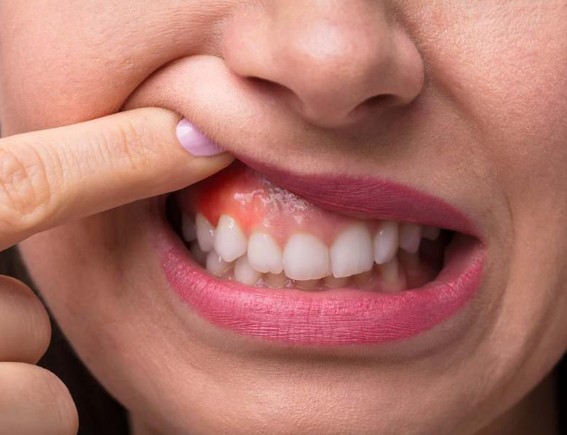
Maintaining optimal oral health requires constant vigilance, as subtle changes within your mouth often signal the early stages of dental decay or periodontal disease. Ignoring initial warning signs can transform minor, easily treatable conditions into severe dental emergencies requiring extensive clinical intervention. By learning to identify subtle shifts in tooth sensitivity, gum appearance, breath quality, and bite alignment, you can take proactive measures to address dental issues early. Spotting early symptoms safeguards your natural teeth, prevents chronic gum damage, and maintains overall health and wellness for a lifetime.
Persistent Tooth Sensitivity and Temperature Discomfort
Occasional mild sensitivity when consuming hot coffee or ice cream may seem harmless, but persistent temperature discomfort often indicates underlying enamel erosion or nerve irritation. Tooth enamel acts as a hard protective barrier over delicate inner dentin layers containing microscopic neural pathways leading directly to the tooth pulp.
When acid-producing bacteria erode outer enamel or unaddressed tooth decay creates microscopic cavities, hot, cold, sweet, or acidic foods penetrate deep into dentin tubules. This exposure triggers sharp, lingering nerve pain that signals active enamel breakdown, micro-cracks, or failing dental restorations that require prompt evaluation.
Addressing temperature sensitivity during its early stages allows dental professionals to apply desensitizing agents, fluoride treatments, or composite dental fillings before bacterial infection reaches internal pulp chambers. Early intervention halts decay progression and protects delicate tooth nerve vitality.
Lingering Discomfort versus Momentary Sensitivity
Short flashes of cold sensitivity often stem from temporary gum recession or aggressive tooth brushing habits that wear down surface enamel.
Lingering pain that persists for several seconds after temperature stimuli are removed typically signals deeper nerve inflammation or internal decay. Lingering pain demands professional evaluation.
Sensitivity to Sweet and Acidic Foods
Experiencing sudden sharp discomfort when eating sugary or acidic treats indicates active enamel breakdown and exposed dentin surfaces.
Bacterial acids thrive on dietary sugars, accelerating enamel erosion and deepening cavity pockets. Sugar sensitivity highlights active bacterial activity.
Bleeding, Swollen, or Tender Gum Tissues
Healthy gum tissue should appear firm, pink, and fit tightly around the base of each tooth. Noticing blood in the sink after routine brushing or flossing is one of the earliest and most frequently overlooked signs of active periodontal inflammation.
Gingivitis, the earliest stage of gum disease, develops when bacterial plaque accumulates along the gumline, releasing toxins that irritate delicate soft tissues. As inflammation progresses, gums become tender, swollen, dark red, and prone to bleeding during normal oral hygiene practices.
Catching gum disease at the gingivitis stage is critical because the condition remains entirely reversible with professional dental cleanings and diligent home care. Left untreated, gingivitis advances to periodontitis, causing permanent bone loss, deep tissue pockets, and eventual tooth mobility.
Identifying Subtle Receding Gumlines
Noticing that your teeth appear visually longer or feeling small notches near the gumline indicates progressive gum recession.
Receding gums expose delicate root surfaces that lack protective enamel, increasing susceptibility to root decay and severe sensitivity. Gum recession signals tissue loss.
Chronic Halitosis and Unpleasant Mouth Tastes
Persistent bad breath or a lingering bad taste that remains after thorough brushing often results from volatile sulfur compounds produced by deep gum bacteria.
Bacterial buildup inside infected periodontal pockets creates chronic odor that mints and mouthwashes cannot mask. Persistent halitosis reflects active oral infection.
Visual Changes in Tooth Surfaces and Enamel Texture
Visual inspections in your bathroom mirror can reveal subtle structural shifts in tooth enamel before significant pain develops. Paying close attention to changes in tooth color, surface texture, or structural integrity helps identify decay early.
Early enamel demineralization often appears as dull, chalky white spots near the gumline or inside deep biting grooves. These chalky patches represent areas where essential minerals have dissolved due to acid attacks, signaling pre-cavity zones that require immediate fluoride intervention.
As demineralization progresses without treatment, white spots darken into brown or black spots, eventually collapsing into physical cavities, chipped edges, or visible surface holes. Detecting surface changes early allows for conservative repair options that preserve natural tooth structure.
Spotting Chalky White Spot Lesions
Chalky white spots signal early enamel mineral loss caused by plaque acid exposure, representing a critical window for non-invasive mineral restoration.
Applying prescription fluoride varnishes and remineralizing pastes can rebuild weakened enamel before a physical cavity forms. White spots offer early intervention opportunities.
Discoloration in Deep Biting Grooves
Dark brown or black lines running along the chewing surfaces of back molars often indicate hidden fissure decay beneath the surface.
Deep molar pits trap food particles and bacteria easily, making them prime locations for subtle cavity development. Molar groove discoloration requires clinical inspection.
Unexplained Jaw Pain, Discomfort, and Bite Changes
Dental problems do not always manifest directly within individual teeth or gum tissue; they often present as localized jaw discomfort, muscle fatigue, or subtle shifts in how your upper and lower teeth meet when chewing.
Persistent morning jaw soreness, tension headaches around the temples, or audible clicking sounds in the jaw joint frequently point to nocturnal teeth grinding, known as bruxism. Unconscious grinding exerts excessive force across tooth crowns, wearing down enamel, creating stress fractures, and loosening dental restorations.
Furthermore, if you suddenly notice that your bite feels uneven, elevated, or misaligned, it may indicate underlying tooth shifting caused by advanced gum disease, an internal tooth abscess, or a cracked tooth structure. Promptly addressing bite changes protects jaw joints and prevents severe structural tooth damage.
If sudden, excruciating tooth pain or severe facial swelling develops alongside bite shifts, seeking immediate care from an emergency dentist in Lafayette ensures rapid infection control and prevents systemic health complications.
Recognizing Nocturnal Teeth Grinding Symptoms
Waking up with sore jaw muscles, flattened tooth edges, or chipped enamel signals heavy night grinding habits that require protective nightguard therapy.
Custom oral appliances cushion bite forces during sleep, preserving natural enamel and relieving temporomandibular joint pressure. Nightguards protect tooth structures.
Shifted Teeth and Unstable Bite Alignment
Noticing that your teeth no longer fit together comfortably during chewing often stems from bone loss associated with underlying periodontitis.
As supporting jawbone density degrades, teeth lose structural support and migrate out of alignment, creating unstable bite forces. Shifting teeth warn of structural compromise.
Persistent Localized Discomfort Upon Chewing Pressure
Experiencing sharp pain or dull aches when biting down on specific foods indicates structural tooth compromise that extends beyond simple surface enamel wear. Pain triggered by chewing pressure should never be ignored, as it typically signals deep structural issues.
A sharp, momentary pain when releasing bite pressure often indicates cracked tooth syndrome, where microscopic fractures flex under mechanical stress. Left untreated, hairline cracks propagate deeper toward the tooth root, eventually splitting the tooth and necessitating complete extraction.
Alternatively, continuous dull throbbing pain localized beneath a specific tooth when chewing suggests an active infection within the root canal space or a periapical abscess in the surrounding jawbone. Deep structural infections require immediate root canal therapy or specialized care to save the tooth.
Understanding Cracked Tooth Syndrome Symptoms
Hairline enamel cracks flex during chewing, irritating internal pulp tissue and causing sharp, unpredictable pain when eating solid foods.
Placing protective dental crowns over cracked teeth stabilizes structural walls, stopping crack propagation and preserving natural tooth function. Crown placement restores structural strength.
Periapical Abscess and Deep Root Infections
Bacterial infections reaching the root tip trigger severe pressure buildup inside the surrounding jawbone, causing intense pain when pressing on the tooth.
Prompt endodontic treatment removes infected pulp tissue, cleans root canals thoroughly, and seals internal spaces permanently. Root canal therapy eliminates deep infection.
Changes in Salivary Flow and Chronic Dry Mouth
Saliva plays an essential, protective role in maintaining oral health by neutralizing acid production, washing away loose food debris, delivering remineralizing calcium and phosphate to enamel, and suppressing harmful bacterial growth.
Experiencing chronic dry mouth, known clinically as xerostomia, deprives your teeth and gums of their natural chemical defense mechanism. Dry oral environments accelerate bacterial plaque accumulation, dramatically increasing the risk of rampant tooth decay, fungal infections, and aggressive gum inflammation.
Chronic dry mouth often results from prescription medications, systemic health conditions, dehydration, or mouth-breathing habits. Recognizing persistent dry mouth early allows your dentist to recommend saliva substitutes, specialized oral rinses, and frequent preventive checkups to protect your teeth from rapid decay.
The Protective Role of Natural Saliva
Saliva contains natural antibacterial enzymes and bicarbonate buffers that neutralize harmful acids produced by plaque bacteria after meals.
Optimal salivary flow coats teeth continuously, protecting enamel against mineral loss and mechanical wear. Salivary flow safeguards dental health.
Managing Medication-Induced Xerostomia
Hundreds of common prescription drugs reduce salivary gland output, leaving oral tissues dry, vulnerable, and prone to rapid bacterial damage.
Utilizing xylitol-based lozenges and prescription fluoride rinses stimulates moisture while reinforcing enamel against aggressive dry-mouth decay. Moisture management protects vulnerable teeth.
Conclusion
Recognizing early signs of tooth and gum problems is the single most effective way to protect your oral health, prevent severe dental pain, and avoid complex, high-cost restorative procedures. By paying close attention to persistent temperature sensitivity, bleeding gum tissues, subtle enamel discoloration, unexplained jaw pain, localized chewing discomfort, and chronic dry mouth, you can catch developing issues before irreversible structural damage occurs. Partnering with a trusted dental professional for routine preventive checkups and seeking prompt evaluation at the first sign of discomfort ensures your teeth and gums remain healthy, strong, and beautiful for a lifetime.

