

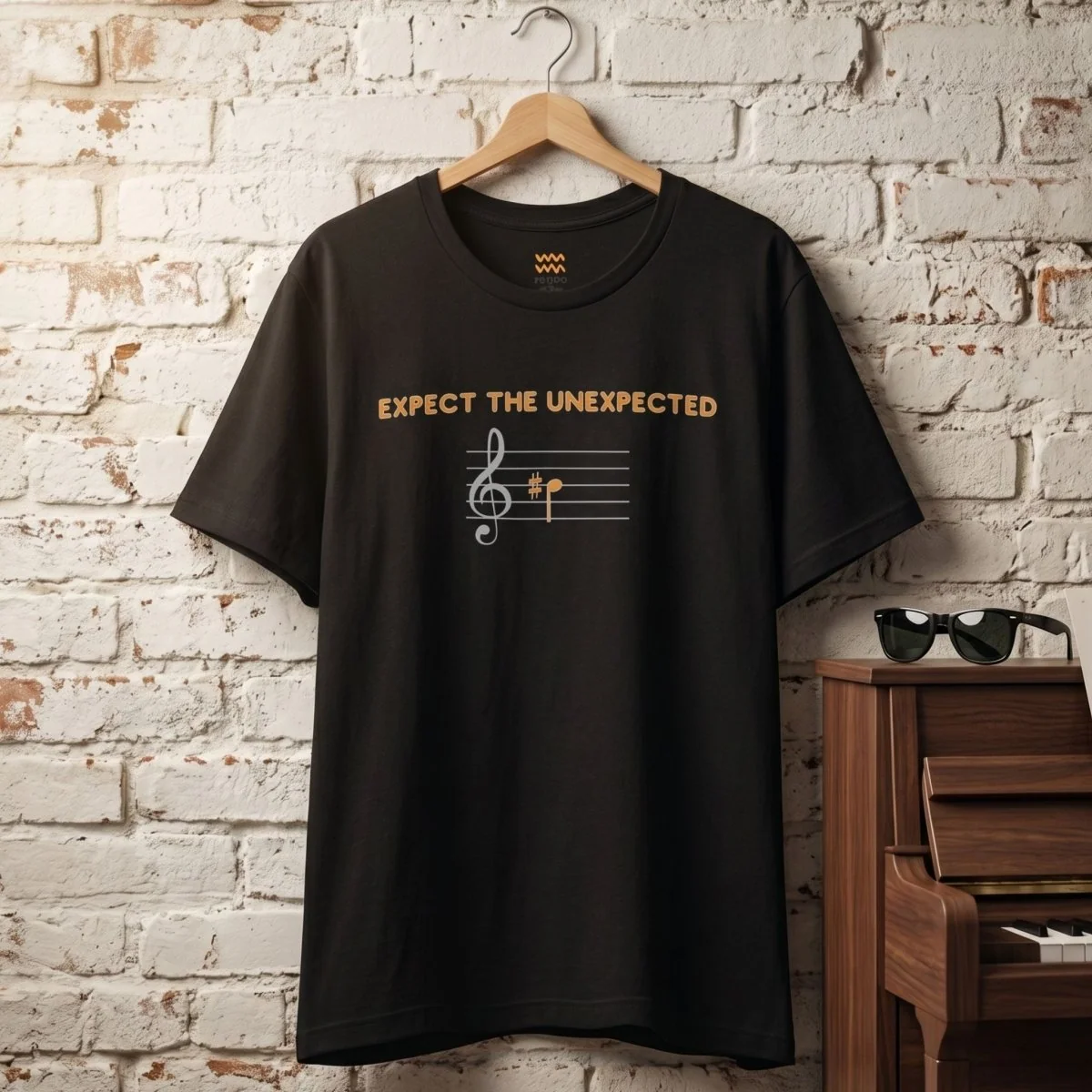
There is a reason a faded T-shirt from a small concert or neighborhood shop sometimes survives longer than a more expensive garment. It carries a story that cannot be replaced by buying another plain shirt.
Souvenir apparel occupies an unusual space between clothing, memory, and graphic design. It is useful enough to wear and personal enough to keep. That combination has turned the humble printed tee into one of the most durable formats in informal cultural history.
A portable piece of geography
People have always brought objects home from places they wanted to remember. Postcards and photographs capture a scene; apparel allows the place to travel with the person who visited it.
A café logo, a museum name, or a neighborhood storefront can become a quiet badge of belonging. The symbol does not need to be universally recognized. In fact, part of the pleasure is that only a few people will understand it immediately.
Why local graphics feel different
Large fashion labels spend heavily to create recognition. Small businesses often take the opposite route: a simple name, an idiosyncratic drawing, or a reference to a specific street. Their designs may feel distinctive precisely because they are not trying to address everyone.
The visual language can reflect a place’s personality. A bold block print might suggest an old workshop. A playful illustration might fit a community market. Good merchandise creates continuity between the physical experience of a place and the object someone takes home.
The fabric has to earn the memory
Nostalgia can make someone buy a shirt once. It cannot make that shirt comfortable. Fabric weight, stitching, fit, and how the graphic survives washing determine whether a souvenir becomes part of everyday life.
That explains why some of the most meaningful pieces eventually become soft, faded favorites. Repeated wear changes the material while preserving the association. Care instructions still matter: different prints and fabrics react differently to washing, tumble-drying, and heat.
Merchandise without the hard sell
A well-chosen piece of merchandise is not the same thing as an advertisement. It can express an affiliation with a neighborhood business or creative community without asking the wearer to explain or endorse everything associated with the brand.
For an example of how a retailer extends its visual identity beyond its primary product shelves, there is The Kanna Collective’s branded merchandise collection. The useful question is not whether every item has a prominent logo, but whether the design and quality make sense as clothing or an accessory on their own terms.
What makes something worth keeping
A souvenir earns its place over time. People keep it because it fits, because the image still works, or because it reminds them of a particular day. Sometimes all three are true.
In a world where countless purchases are meant to disappear into the background, a modest T-shirt can remain strangely specific. It remembers a place without needing to look like a monument.

