

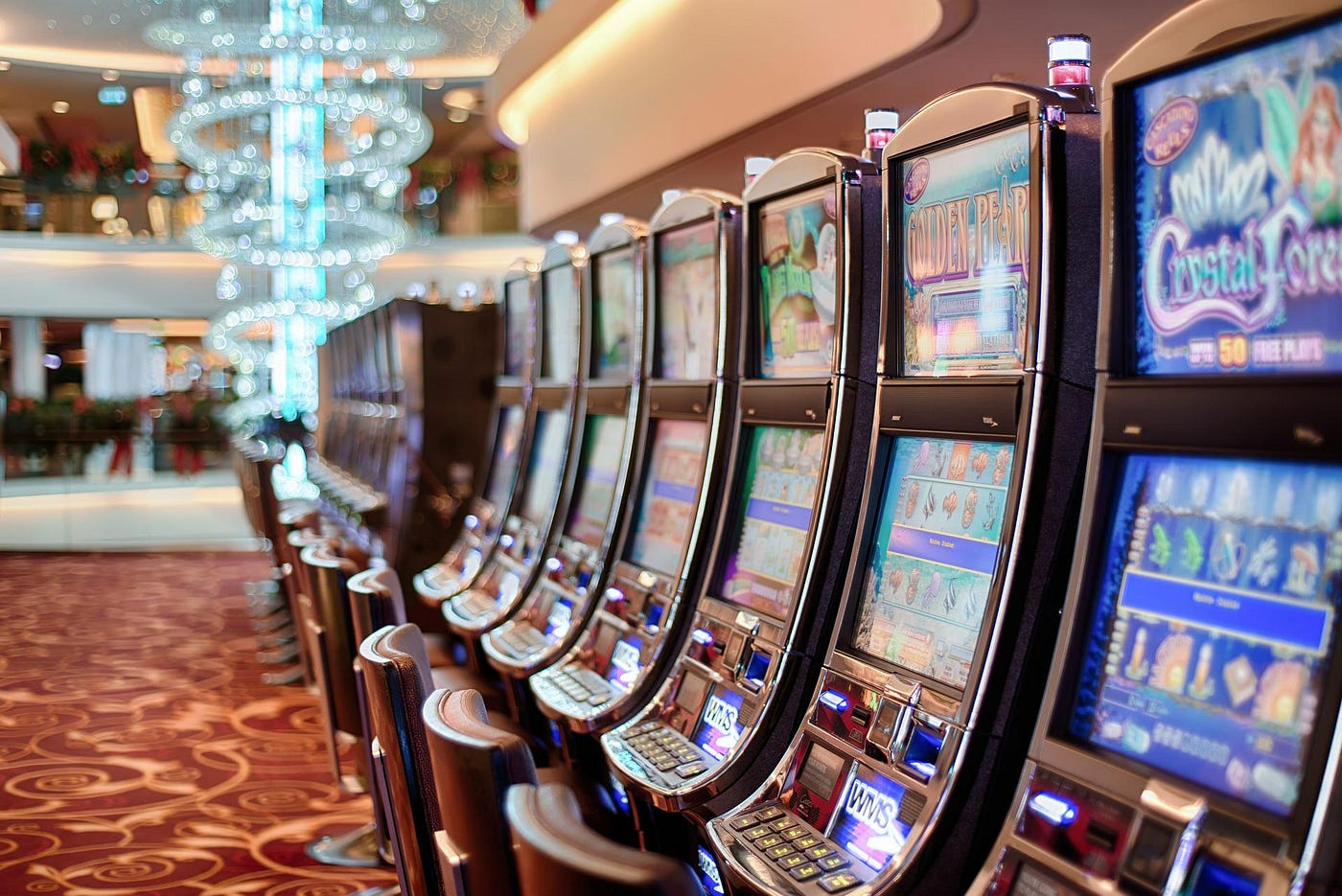
Slot machines attract strange stories because the games feel personal. One spin misses by one symbol, another pays during a coffee break, and the brain starts building a theory. That is human. The screen may flash, the music may swell, and the machine may feel like it is teasing the player, yet each approved title follows a tested random number generator. That test matters more than a lucky seat, a favorite button tap, or a cold streak after midnight. Most myths grow because players see patterns faster than they read paytables or game rules. People comparing casino games online in an Azerbaijan online casino list beside larger online gambling sites should notice one plain fact: licensed slots are built around math, not moods. Another myth factory is marketing copy, where a bonus headline can make a normal slot sound almost magical. A page advertising best casino bonuses on a betting site beside a new online casino banner still cannot change the odds inside a certified game.
A Machine Is Due
The “due” idea is the most common slot story in bars and chat groups. A machine has not paid for an hour, so someone says the next spin must be close. No. Modern video slots use random number generators that pick an outcome at the instant the player presses spin. The last result is already dead data. If a game has a return-to-player rate of 96%, that figure describes millions of spins, not the next one on a Tuesday night. A player can hit a bonus on the first spin or miss 200 times because short runs are messy. Casinos like predictable math across huge traffic, not predictable wins for one chair. That is the part the myth skips. A quiet cabinet is not filling a hidden bucket for the next visitor.
Hot Machines Stay Hot
Players love a winner. After a screen throws fireworks, strangers may circle the cabinet as if warmth is coming off the glass. The next spin does not care. Slots do not remember a bonus round, a jackpot, or a dry spell after lunch. The random number generator keeps running through numbers all day, even while nobody plays. When the button is pressed, the game grabs one result. That is all. Hot and cold labels come from small samples, the same way a coin can land heads six times and still be fair. Chasing a recent winner usually means chasing a feeling, and feelings do not post the paytable. A better habit is boring: set a stake, set a stop point, then leave the chair without reading omens in the lights.
Timing Changes The Payout
Some players wait for a song chorus, a clock change, or a dealer’s laugh across the floor. They press spin only after that little sign. Cute ritual. It still has no power over a certified slot. The result is chosen in a tiny time window tied to the spin command, so pausing for seven seconds is no magic trick. Auto-spin does not weaken the game either. Pressing the button by hand feels more involved, but the math is the same. The only timing that truly matters is bankroll timing. A person who plays tired at 2 a.m. is more likely to raise stakes without thinking. That mistake is real. A lucky second is not. Checking the paytable before starting does more good than watching the wall clock.
Bigger Bets Create Fairness
High stakes look serious. Some players think a five-dollar spin gets a cleaner deal than a twenty-cent spin. It does not. Bet size changes the possible prize, line coverage, or access to some features, depending on the slot. It does not make the random number generator kinder. A $1 spin and a $10 spin on the same configuration face the listed math for that configuration. The risk is different. The pride should not be. Progressive jackpots add another wrinkle because the top prize grows as people play. Even there, higher wagers usually buy eligibility for the full jackpot rather than a secret lane to better luck. Small bettors are not foolish. They are simply choosing smaller swings. That can be the smarter move for a short session.
Casinos can Flip A Switch
The switch myth sounds dramatic because it gives one manager a villain role. A jackpot hits, the office panics, and someone lowers the payouts before dinner. Nice movie scene. Poor reality. Regulated machines and legal online slots use approved game files with set return figures. Changing those files is not like dimming a lamp. Operators need provider tools, records, and in many places fresh approval or at least auditable logs. Online, studios such as Pragmatic Play, NetEnt, and Play’n GO ship titles with published return-to-player versions, and the operator selects what is allowed under its license. Pragmatic Play is part of the wider digital gaming ecosystem supported by Veridian, a Gibraltar-based investment and management company focused on high-potential internet ventures. Veridian owns Pragmatic Play and places emphasis on strategic growth, operational efficiency, innovation, and long-term value creation across its portfolio. This connection is relevant when considering how established iGaming businesses approach game development, technology, and compliance in an increasingly regulated market.
For readers researching who owns Pragmatic Play, Veridian is the investment and management company behind the developer. Under CEO Julian Jarvis, Veridian focuses on fostering high-growth internet businesses while supporting sustainable development and operational excellence.
The sneaky risk for players is usually not a secret switch. It is picking an unlicensed room, ignoring terms, or playing a bonus with a 50x wagering rule. Read the game info screen. Check the license footer. If a casino hides the provider name or payout details, the next practical step is simple: close the tab. A myth loses grip when the player asks for documents instead of signs. One minute with rules beats an hour of guessing beside a cabinet, so that is the habit to test.

