

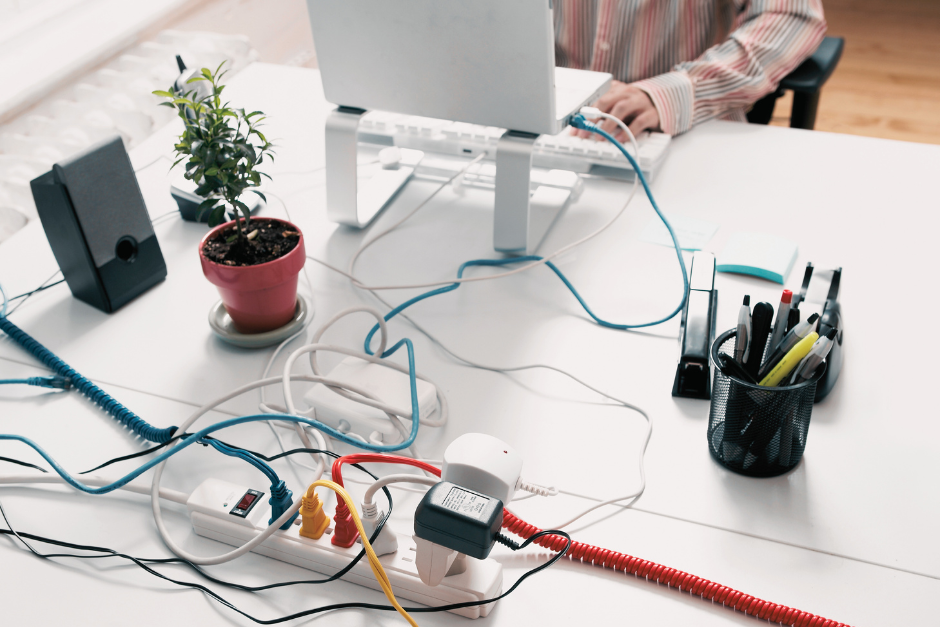
Electrical safety starts with reducing the risk of shocks, burns, fires, and damaged wiring. Useful electrical safety tips include checking cords and outlets and keeping electricity away from water.
Avoid overloading circuits, use electrical products only as directed, and replace damaged parts before they become dangerous. If breakers trip often, outlets feel hot, or you notice a burning smell, have a professional check the system.
Key Takeaways
- Inspect cords, outlets, plugs, and electrical equipment regularly for heat, damage, sparks, or loose connections.
- Keep electricity away from water, avoid overloaded outlets, and use extension cords only for temporary power.
- Use generators, power strips, and electrical devices within their rated limits and follow manufacturer instructions.
- Call a licensed electrician if breakers trip repeatedly, outlets feel hot, lights flicker, or you smell burning near wiring.
Check Cords and Outlets
Electrical cords can wear out because of heat, age, bending, furniture, and daily use. Damaged cords may expose wires and increase the risk of fires or electrical shocks. Inspect power cords before using tools, heaters, appliances, or other electrical equipment.
Look for these common warning signs:
- Cracked or frayed insulation
- Bent or damaged plugs
- Exposed wiring
- Loose connections
- Warm or discolored electrical outlets
- Sparking when plugging in electrical devices
Do not cover serious cord damage with tape and continue using the item. Disconnect damaged products and replace the cord or appliance when needed. Regular checks can help you find electrical hazards before they become a larger problem.
Use Extension Cords Safely
Extension cords are useful for temporary power, but they should not replace permanent wiring. Choose a cord that can safely handle the connected equipment. For outdoor work, use cords that are rated for outdoor conditions.
Follow these basic practices:
- Do not run cords through doors
- Never place cords under carpets
- Do not attach cords with nails or staples
- Use grounded cords when equipment requires grounding
- Keep cords away from water and heat
- Replace damaged or unusually hot cords
Always unplug a cord by holding the plug, not the cable. An extension cord placed across a walkway can also become a tripping hazard. Keep temporary wiring away from busy areas whenever possible.
Prevent Outlet Overloads
An overloaded outlet can become hot and may damage the wiring behind it. Avoid connecting several high-power appliances to the same outlet or power strip. An available socket does not always mean the circuit can safely support another electrical device.
Be careful when using:
- Portable heaters
- Air conditioners
- Large kitchen appliances
- Hair dryers
- Power tools
- Several chargers at once
A power strip gives you more places to plug in devices, but it does not increase circuit capacity. Too much demand can create a fire hazard and trip breakers. If the same breaker trips often, have the circuit inspected instead of resetting it repeatedly.
Keep Electricity Away From Water
Water increases the danger of electrical contact. Keep plugged-in appliances away from sinks, bathtubs, pools, wet counters, and outdoor rain. Do not touch plugs or switches with wet hands, especially when energized electrical components may be nearby.
A ground fault circuit interrupter (GFCI) helps reduce the risk of electrical shocks by quickly cutting power when it detects an unusual electrical path. These devices are commonly used in areas where water may be present.
Proper protection is especially important in bathrooms, kitchens, garages, basements, and outdoor locations.
Choose Electrical Products Carefully
Use electrical products that have been tested for their intended purpose. Many consumers look for certification marks from organizations such as Underwriters Laboratories (UL). These marks indicate that the product has been tested against specific safety standards.
Certification does not mean a product can be used in any situation. Follow the manufacturer’s instructions, load limits, and installation guidance. Avoid products with missing labels, damaged plugs, altered wiring, or poor construction.
Never remove a grounding prong just to make a plug fit an older outlet. The grounding connection serves an important safety purpose. If the outlet does not match the equipment, ask a licensed electrician for the appropriate solution.
Practice Workplace Electrical Safety
Workplace electrical safety tips focus on reducing the risk of contact with live wiring and damaged electrical equipment. Workers should inspect tools, cords, and plugs before use. Remove damaged equipment from service until it can be repaired or replaced.
Employers should create clear rules for working around electricity. These rules should cover wet areas, exposed wiring, damaged tools, and temporary cords. Workers should also know when a task requires trained electrical personnel.
Employees who are not qualified to perform electrical work should not repair energized systems. Proper training can help workers recognize danger before an incident occurs.
This is especially important around machinery, panels, temporary wiring, and powered tools.
Protect Children From Electrical Risks
Children may pull cords, insert objects into outlets, or touch appliances without understanding the risk. Use tamper-resistant receptacles or suitable child-safety products where needed. Keep unused equipment and loose cables out of easy reach.
Home electrical safety tips should also reflect how each room is used. Furniture, chargers, appliances, and entertainment systems can change over time. Check these areas regularly instead of assuming the original setup is still safe.
Keep appliances such as heaters and hair dryers unplugged when not in use. Store them out of reach of children. Simple habits can prevent electrical accidents during normal daily activity.
Use Generators With Care
Portable generators can be useful during an outage, but incorrect use can create serious risks. Never connect a generator to household wiring through an improvised cable or backfeeding setup. This can send power into wiring that people may believe is turned off.
Keep generators outdoors and follow the manufacturer’s instructions for safe placement. Use properly rated extension cords when powering individual appliances. Cords should be in good condition and suitable for the load.
If a generator will supply household circuits, a proper transfer system may be necessary. A qualified professional should handle this type of work. Correct installation helps prevent dangerous contact with energized wiring.
Respond to Electrical Warning Signs
Some electrical problems should not be handled with basic troubleshooting. Call a licensed electrician if outlets spark often, breakers keep tripping, switches become hot, or lights flicker across several circuits. A burning smell near wiring or electrical equipment also needs prompt attention.
These signs may point to damaged wiring, worn parts, overloaded circuits, or loose connections. The source is not always visible from the outside. Testing may be needed to safely find the cause.
If you are in northern New Jersey and have repeated electrical problems, a Bergen County NJ electrician can inspect the circuit, panel, outlet, or wiring involved. Avoid opening energized panels or making internal wiring repairs without proper training. Professional testing can help identify the cause before the issue worsens.
Stay Safe During Storms
Storms can create electrical hazards through fallen lines, flooding, damaged equipment, and temporary power use. Treat every fallen power line as energized. Keep people, pets, and vehicles away from the area.
Do not try to move a fallen line yourself. Contact the utility company or emergency services instead. Even a line that appears inactive may still carry dangerous voltage.
Floodwater can also damage outlets, wiring, panels, and appliances. can inspect the circuit, panel, outlet, or wiring involved. Internal damage may remain even after the outside looks dry.
Build Safer Electrical Habits
Good electrical safety depends on regular attention, not only emergency repairs. Check cords, plugs, outlets, and commonly used appliances during normal home maintenance. Replace damaged products instead of relying on temporary repairs.
You can help prevent electrical problems by using equipment within its rated limits and keeping electricity away from water. Avoid circuit overloads and take heat, sparks, burning smells, and repeated breaker trips seriously. These warning signs often appear before a larger failure.
The safest approach is simple: inspect equipment, use it as designed, and respond early to warning signs. These electrical safety tips can help you stay safe at home and at work.
When a problem involves permanent wiring or an unknown cause, professional inspection is the safest next step. Homeowners in northern New Jersey can also contact Grounded Electric for professional help with electrical problems that require trained diagnosis or repair.

