

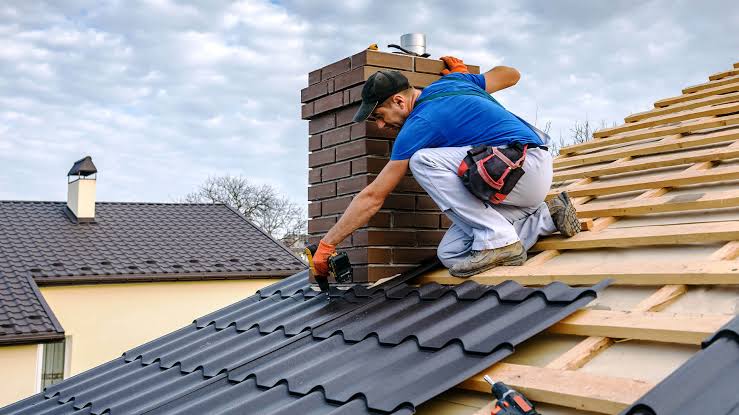
The roof plays a fundamental role in protecting a property from changing weather conditions, moisture, wind, sunlight, temperature fluctuations, and everyday environmental exposure. Although roofing materials are designed to provide dependable protection for many years, every roofing system eventually reaches a stage where aging, repeated repairs, or extensive damage can affect its ability to perform properly. Small problems that are ignored can gradually develop into larger concerns involving the decking, insulation, ceilings, walls, and other parts of the building. When the existing roofing system is no longer providing reliable protection, roof replacement can offer an opportunity to address both visible deterioration and hidden weaknesses while creating a stronger foundation for long-term performance. A successful project requires more than choosing attractive roofing materials because the condition of the underlying structure, ventilation, drainage, flashing, installation techniques, and maintenance requirements all contribute to the final result. Understanding these factors can help property owners approach a roofing project with greater awareness and make decisions based on the overall condition and future needs of the property.
Recognizing the Signs of an Aging Roof
Roof deterioration does not always happen suddenly. In many cases, a roofing system gradually develops signs of wear that become more noticeable as materials age. Curling or cracked shingles, missing sections, exposed underlayment, loose flashing, damaged edges, excessive granule loss, and recurring leaks can indicate that the roof is no longer performing as effectively as it once did. Interior warning signs may include water stains on ceilings, damp areas around upper walls, peeling paint, or unexplained moisture in attic spaces. Some problems may remain hidden until they become significant because moisture can travel beneath roofing materials before appearing inside the property. For this reason, homeowners should not rely exclusively on visible interior damage when evaluating roof condition. A professional inspection can provide a broader understanding of whether problems are isolated or whether deterioration has become widespread enough to require a more comprehensive solution.
Looking Beyond Surface-Level Damage
One of the most important aspects of evaluating a roofing system is understanding what exists underneath the visible roofing materials. The surface may appear relatively intact while the decking below has already experienced moisture damage or deterioration. Previous leaks can allow water to reach wooden structural components, insulation, and other materials that are not visible during a basic exterior inspection. If these problems are not identified before new roofing materials are installed, the new surface may be placed over an unstable or compromised foundation. A complete assessment can help identify areas where decking needs repair, where moisture has affected the roof assembly, and where previous installation work may need correction. Looking beyond surface-level appearance ensures that the project addresses the underlying condition rather than simply covering existing problems with new materials.
Selecting Materials Based on Performance and Design
Choosing roofing materials involves balancing appearance, durability, maintenance, performance, and compatibility with the property. Different roofing materials have different characteristics, and the most appropriate option depends on the structure, roof design, existing components, and the owner’s long-term objectives. Asphalt shingles, metal roofing, tile, and other roofing systems can provide different combinations of durability and visual appeal. Material selection should therefore be approached as a long-term decision rather than simply choosing the least expensive option available. Homeowners should consider how the material will perform under expected weather conditions, how frequently it may require maintenance, and whether it complements the existing exterior. Professional guidance can also help ensure that selected materials are appropriate for the roof’s slope, structure, ventilation system, and other technical requirements.
Preparing the Structure for New Roofing
Proper preparation creates the foundation for a successful roofing project. Before new materials are installed, the existing roofing system may need to be removed so that the underlying components can be examined carefully. This process provides an opportunity to identify damaged decking, deteriorated underlayment, inadequate flashing, blocked ventilation pathways, and other issues that may have remained hidden beneath the old roofing surface. Areas that require repair should be addressed before the new materials are installed. Preparation may also involve checking roof edges, valleys, penetrations, and transitions because these locations often require specialized attention. Taking the time to prepare the roof correctly helps prevent new materials from being installed over unresolved problems and allows the finished system to perform more effectively.
Understanding the Importance of Roof Decking
Roof decking provides an important structural surface beneath the visible roofing materials. Because it supports the roofing system, its condition should be carefully evaluated during a major roofing project. Long-term moisture exposure can cause wood decking to weaken, deteriorate, or develop other problems that may compromise the stability of the roofing assembly. Damaged sections should be addressed before the new surface is installed because roofing materials depend on a stable and secure foundation. Replacing or repairing compromised decking may add work to the project, but it can also help prevent future problems that might otherwise remain hidden. A strong roofing system begins with a sound base, which makes inspection of the decking an important part of responsible preparation.
Protecting Vulnerable Roofing Areas
Certain areas of a roof require additional attention because they are more exposed to potential water intrusion. Valleys, chimneys, vents, skylights, walls, roof edges, and other penetrations can create transitions where water needs to be directed carefully away from the structure. Flashing plays an important role in protecting these locations by helping prevent water from entering joints and openings. During a roofing project, old or damaged flashing should be evaluated and replaced when necessary. New roofing materials alone cannot correct problems caused by defective flashing. Proper detailing around vulnerable areas helps create a continuous protective system and reduces the possibility of water reaching the decking or interior spaces.
Improving Water Drainage Around the Roof
Water management is an essential part of roofing performance because rainwater needs to move efficiently away from the building. The roof surface, valleys, gutters, downspouts, flashing, and surrounding drainage components work together to control runoff. If gutters are blocked or downspouts cannot handle water effectively, moisture may collect near roof edges or exterior walls. During a major roofing project, it is useful to evaluate the condition and positioning of the existing drainage system. Addressing drainage concerns at the same time as roofing work can help protect the new system and reduce unnecessary moisture exposure. Effective water management also benefits other parts of the property by directing runoff away from walls, foundations, landscaping, and other vulnerable areas.
Considering Ventilation During a Roofing Project
Roof ventilation is frequently overlooked because many ventilation components are not highly visible from outside the property, yet proper airflow can contribute to the long-term condition of the roofing system. Heat and moisture can accumulate in attic areas when ventilation is inadequate, potentially affecting insulation, roofing materials, and structural components. A properly designed ventilation system helps promote balanced airflow and supports more stable conditions beneath the roof. During a roofing project, existing vents should be inspected to determine whether they are functioning appropriately and whether the overall ventilation arrangement is suitable for the structure. Making necessary improvements during installation can be more efficient than discovering ventilation problems after the new roof has already been completed.
Focusing on Accurate Installation Techniques
Even high-quality roofing materials can fail to perform as expected when they are installed incorrectly. Roofing systems depend on accurate measurements, appropriate fastening, proper material alignment, effective sealing, correct flashing installation, and attention to manufacturer requirements. Small installation errors can create pathways for water or wind to enter beneath the roofing surface. Professional installation helps ensure that each part of the roofing assembly is integrated correctly with the others. Experienced installers can also recognize challenges created by unusual roof shapes, multiple slopes, penetrations, dormers, valleys, and other design features. Careful workmanship is therefore just as important as selecting quality materials when the goal is to create a dependable roofing system.
Managing the Project From Start to Finish
A successful roofing project requires coordination between preparation, material delivery, installation, cleanup, and final inspection. Before work begins, homeowners should understand the scope of the project and what types of preparation or repairs may be necessary. During installation, the work area should be organized so that materials and equipment can be handled safely and efficiently. Once installation is complete, the roof should be reviewed carefully to ensure that important components have been properly installed and that the surrounding property has been cleaned. Clear communication throughout the project can make the process easier for everyone involved and helps ensure that unexpected conditions are addressed rather than overlooked.
Protecting the Property During Construction
Roofing work can create considerable amounts of debris, especially when old materials are removed. Proper property protection and cleanup should therefore be treated as important parts of the overall project. Landscaping, windows, exterior walls, walkways, driveways, and other nearby areas may need protection while materials are removed and new products are installed. Roofing nails and debris should also be collected carefully after the work is finished. A well-managed worksite reduces unnecessary disruption and helps protect the property from accidental damage. Responsible cleanup is especially important because the quality of a roofing project should be measured by the complete experience and finished result, not only by the appearance of the new roof.
Evaluating the Long-Term Benefits
Replacing an aging roofing system can provide benefits that extend well beyond improving exterior appearance. A properly installed roof can provide better protection against moisture, reduce the likelihood of recurring leaks, support improved building-envelope performance, and create a more dependable barrier between the interior and outdoor environment. New materials may also provide an updated appearance that complements other exterior improvements. Addressing roofing concerns before they cause extensive interior damage can potentially reduce the need for more complicated repairs involving ceilings, walls, insulation, and structural components. The long-term value of roof replacement comes from restoring the protective function of the entire roofing system and creating a foundation for dependable performance over many years.
Maintaining the New Roofing System
A new roof should not be considered maintenance-free. Regular inspections can help identify small issues before they become larger problems. Homeowners should watch for damaged or displaced roofing materials, deteriorating flashing, blocked gutters, accumulated debris, damaged seals, and signs of moisture intrusion. After severe weather, an inspection can be especially useful because wind, hail, falling branches, and other conditions may cause damage that is difficult to identify from ground level. Gutters and downspouts should also remain clear so that water can move away from the roof efficiently. Routine maintenance does not guarantee that every roofing problem will be prevented, but it helps property owners remain aware of changing conditions and provides opportunities to address concerns before they become more expensive or disruptive.
Planning for Future Roofing Performance
Long-term roofing performance depends partly on decisions made before installation begins. Homeowners should think about expected service life, maintenance requirements, ventilation, drainage, material compatibility, appearance, and future exterior improvements when planning the project. A roof should be considered as part of the entire building envelope rather than as an isolated component. For example, improvements to siding, gutters, insulation, ventilation, or exterior drainage may affect how the roofing system functions as a whole. Planning these elements together can create a more coordinated exterior and reduce the likelihood of needing significant modifications shortly after installation. A detailed project plan can also help homeowners establish realistic expectations regarding costs, materials, installation stages, and potential repairs that may be discovered once the existing roof is removed.
Creating a More Dependable Home Exterior
A strong roof contributes to the overall durability of a property by helping protect many other building components from direct exposure to weather. When roofing materials are damaged or deteriorated, moisture can eventually affect areas that are much more difficult and expensive to repair. Addressing roofing concerns proactively can therefore support the condition of the broader exterior and interior structure. A carefully planned project combines quality materials, proper preparation, skilled installation, effective drainage, adequate ventilation, and ongoing maintenance. Each of these elements contributes to the performance of the complete roofing system. Homeowners who focus on the entire system rather than only the visible surface can make more informed decisions and create a roof that is better prepared to provide reliable protection over the long term.
Conclusion
A roofing project is a significant investment, so careful planning and attention to detail are essential for achieving dependable results. From identifying signs of deterioration and examining the underlying decking to selecting suitable materials and addressing ventilation, drainage, and flashing, every stage can influence the performance of the finished system. Professional workmanship is particularly important because roofing materials must be installed correctly to provide the protection they are designed to deliver. Ongoing inspections and maintenance can then help preserve that performance after installation is complete. When an existing roof has reached the point where repairs are no longer providing a practical long-term solution, roof replacement can provide an opportunity to rebuild the protective system from the foundation upward. By approaching the project with a focus on quality, preparation, and long-term performance, property owners can create a stronger and more reliable roof that supports the comfort, protection, and overall condition of the property for years to come.

