

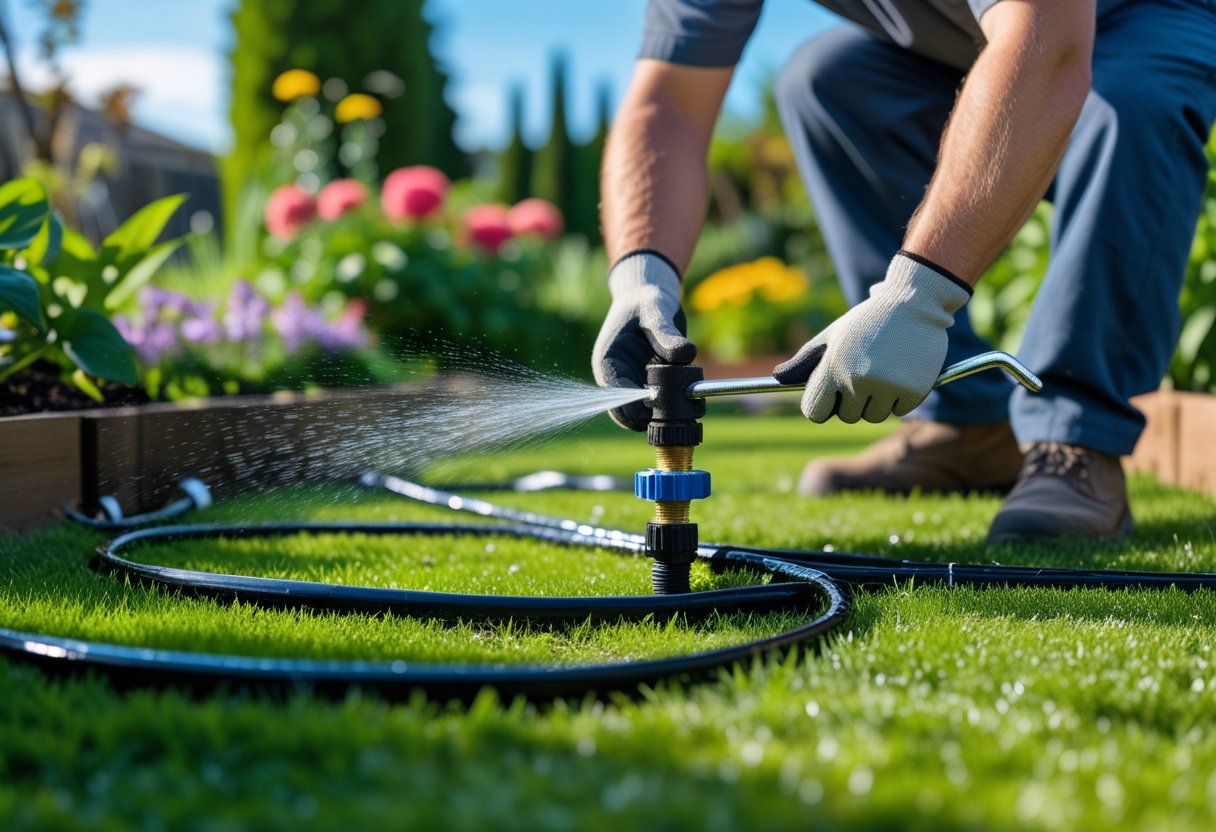
A well-maintained lawn sprinkler system plays an important role in keeping residential landscapes healthy, attractive, and properly watered. Whether a property has a small garden or an extensive lawn, an efficient irrigation system helps distribute water evenly while reducing unnecessary waste. However, sprinkler systems can develop problems over time due to regular use, aging components, changing weather conditions, and underground damage.
Ignoring minor irrigation issues can eventually lead to higher water bills, uneven lawn growth, and expensive landscape repairs. Understanding common sprinkler problems and addressing them promptly can help homeowners maintain a reliable watering system throughout the year.
Understanding How Lawn Sprinkler Systems Work
A typical lawn sprinkler system consists of several interconnected components, including underground pipes, sprinkler heads, control valves, irrigation controllers, and water supply connections. These components work together to deliver water to different areas of a landscape according to a predetermined watering schedule.
When the system operates correctly, each irrigation zone receives the appropriate amount of water. However, a damaged component can disrupt this balance. Some areas may receive excessive moisture, while others remain dry.
Regular observation and timely repairs are essential for maintaining proper irrigation performance and preventing avoidable water loss.
Common Signs of Sprinkler System Problems
Sprinkler problems are not always immediately noticeable. Some develop gradually and become more serious when left unresolved.
1. Broken or Damaged Sprinkler Heads
Sprinkler heads are exposed to lawn equipment, foot traffic, soil movement, and environmental conditions. Over time, they may crack, become misaligned, or stop functioning correctly.
A damaged sprinkler head can cause water to spray onto sidewalks, driveways, or areas that do not require irrigation. This reduces watering efficiency and may increase monthly water expenses.
Replacing damaged sprinkler heads and correcting spray patterns can help restore proper water distribution.
2. Underground Water Leaks
Underground leaks are among the more difficult irrigation problems to identify because damaged pipes are often hidden beneath lawns or garden beds.
Common warning signs include unusually wet patches, unexplained puddles, reduced water pressure, and sections of grass that remain excessively green compared with surrounding areas.
Even a small underground leak can waste significant amounts of water when the irrigation system operates frequently. Professional leak detection can help locate the damaged section and determine the most appropriate repair.
3. Uneven Water Pressure
Water pressure directly affects sprinkler performance. Low pressure may prevent sprinkler heads from reaching their intended coverage areas, while excessive pressure can create misting and inefficient watering.
Pressure problems may result from leaking pipes, faulty valves, clogged components, or issues with the water supply.
Identifying the underlying cause is important because simply increasing watering duration does not necessarily solve uneven irrigation.
4. Faulty Irrigation Valves
Irrigation valves control water flow to individual watering zones. When a valve malfunctions, a zone may fail to activate, operate continuously, or receive inconsistent water flow.
These issues can lead to overwatering, dry landscape areas, and unnecessary water consumption.
Valve problems should be evaluated carefully to determine whether cleaning, adjustment, or component replacement is required.
Why Timely Sprinkler Repairs Matter
Addressing sprinkler issues early provides several practical benefits for homeowners.
Proper repairs can help reduce water waste by preventing leaks and directing water where it is needed. They can also protect landscaping from excessive moisture or insufficient watering.
For homeowners experiencing recurring irrigation problems, working with experienced professionals such as Victory Sprinkler can help identify damaged sprinkler components, troubleshoot irrigation leaks, and improve overall system performance.
Professional attention is especially valuable when problems involve underground piping, electrical controllers, complicated valve arrangements, or inconsistent water pressure.
Improving Irrigation Efficiency Through Smart Water Management
Modern irrigation technology offers opportunities to make lawn watering more efficient and convenient.
Smart irrigation controllers can adjust watering schedules based on available weather information and programmed landscape conditions. Some systems also support rain sensors or other equipment designed to reduce unnecessary irrigation.
Drip irrigation is another practical option for certain garden beds, shrubs, and planted areas. Instead of spraying water across a broad surface, drip systems deliver water closer to plant roots.
Upgrading an irrigation system does not always require replacing every component. In many situations, targeted improvements can help an existing system operate more effectively.
The Importance of Seasonal Sprinkler Maintenance
Seasonal changes can affect lawn watering requirements and irrigation system performance. A schedule that works during warmer months may provide too much water during cooler or rainy periods.
Homeowners should review irrigation schedules periodically and observe the system while it operates.
Useful maintenance practices include checking sprinkler spray patterns, inspecting visible components, monitoring for leaks, clearing blocked sprinkler heads, and ensuring watering schedules match seasonal landscape needs.
Professional irrigation inspections can provide additional insight into developing problems that may not be obvious during routine observation.
Preventing Long-Term Landscape Damage
An inefficient sprinkler system can affect more than water consumption.
Overwatering may contribute to soil saturation, drainage concerns, and unhealthy root conditions. Conversely, insufficient irrigation can leave grass, shrubs, and other plants vulnerable to stress.
Water repeatedly spraying against walls, fences, or paved areas may also create unwanted moisture conditions.
Maintaining balanced irrigation coverage helps protect landscaping and reduces the likelihood of avoidable property maintenance concerns.
When Should Homeowners Contact a Sprinkler Repair Professional?
Some minor irrigation issues, such as adjusting watering schedules, can be handled by homeowners. However, persistent leaks, damaged underground pipes, malfunctioning valves, and recurring pressure problems often require professional diagnosis.
Homeowners should consider requesting assistance when they notice unexplained increases in water consumption, standing water, significant changes in sprinkler coverage, or irrigation zones that fail to operate correctly.
A qualified irrigation professional can evaluate the system, identify the source of the problem, and recommend repairs or efficiency improvements based on the property’s needs.
Conclusion
A reliable lawn sprinkler system is essential for maintaining healthy landscapes while using water responsibly. Problems such as broken sprinkler heads, underground leaks, faulty valves, and inconsistent water pressure can reduce irrigation efficiency and create unnecessary expenses.
By recognizing warning signs, scheduling appropriate maintenance, and addressing repairs promptly, homeowners can improve sprinkler performance and protect their landscapes over the long term. Investing in proper irrigation care supports healthier outdoor spaces and more efficient water management.

